❌

Normal view

  • βœ‡The Statesider
  • Depoe Bay: A Photo Essay on the Gray Whale Capital of Oregon
    Jeurgen “JT” Turner remembers when the first whale watching charter started up in tiny Depoe Bay, Oregon, in the 1970s. Back then, “the world’s smallest navigable harbor” — Depoe Bay’s claim to fame — was home to a mix of commercial fishing enterprises and fishing excursions geared toward tourists. And while whales can be easily spotted from Depoe Bay’s shoreline during migration season, no one had latched onto the idea of taking visitors ou
     

Depoe Bay: A Photo Essay on the Gray Whale Capital of Oregon

22 December 2022 at 13:00

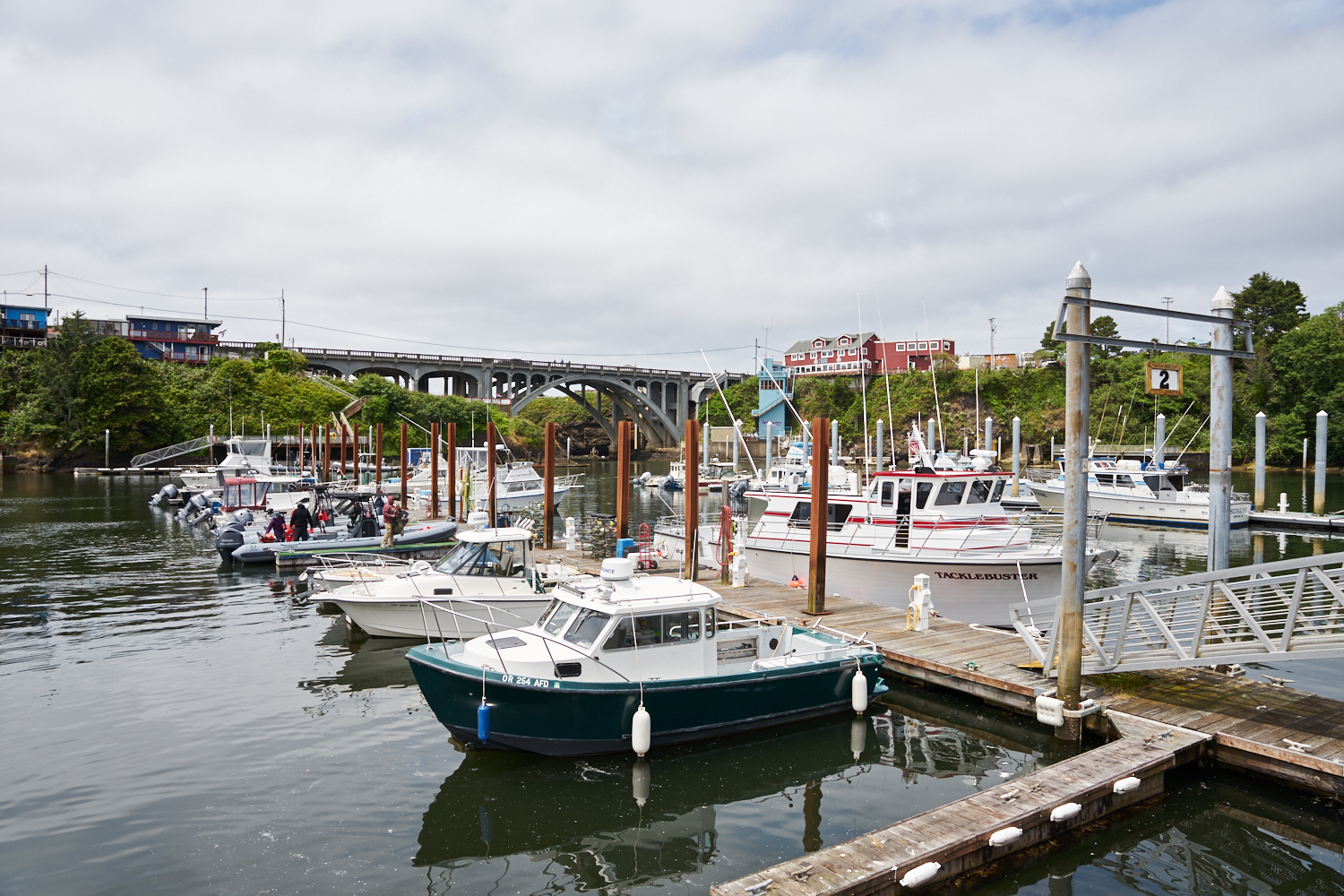
Jeurgen “JT” Turner remembers when the first whale watching charter started up in tiny Depoe Bay, Oregon, in the 1970s. Back then, “the world’s smallest navigable harbor” — Depoe Bay’s claim to fame — was home to a mix of commercial fishing enterprises and fishing excursions geared toward tourists. And while whales can be easily spotted from Depoe Bay’s shoreline during migration season, no one had latched onto the idea of taking visitors out on the water to watch them by boat. JT says that first season with one vessel was so successful, the company he worked for invested in a second boat for the following season, and grew from there. “Now everybody around here has a whale watching operation,” he says. 

Depoe Bay, tucked into the Oregon coast west of Salem, has always been a popular spot for charter fishing. Its small, sheltered harbor and proximity to the open ocean make  it a fishing destination rivaling its much larger neighbors, the hub of Newport to the south and the beach town of Lincoln City to the north. 

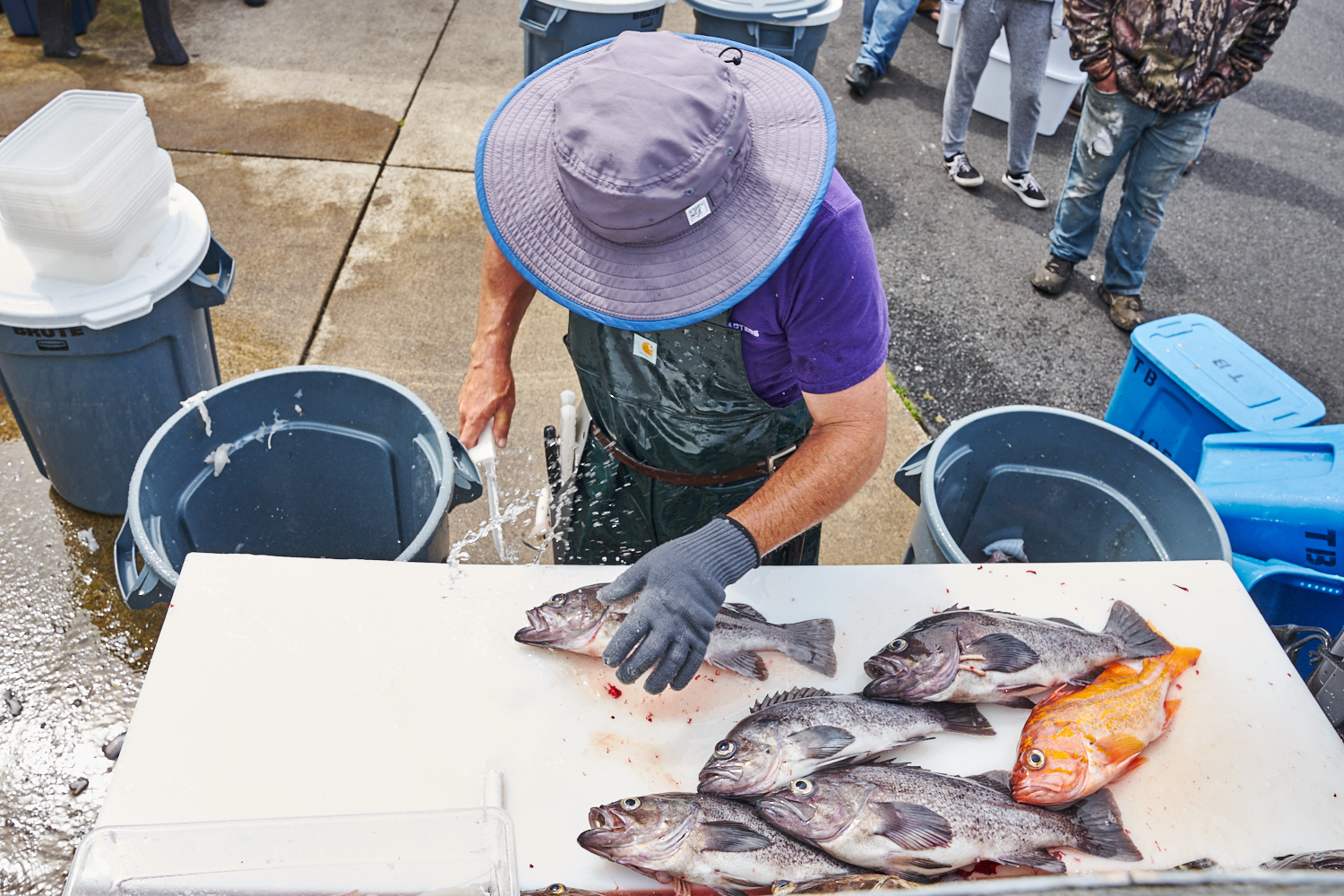
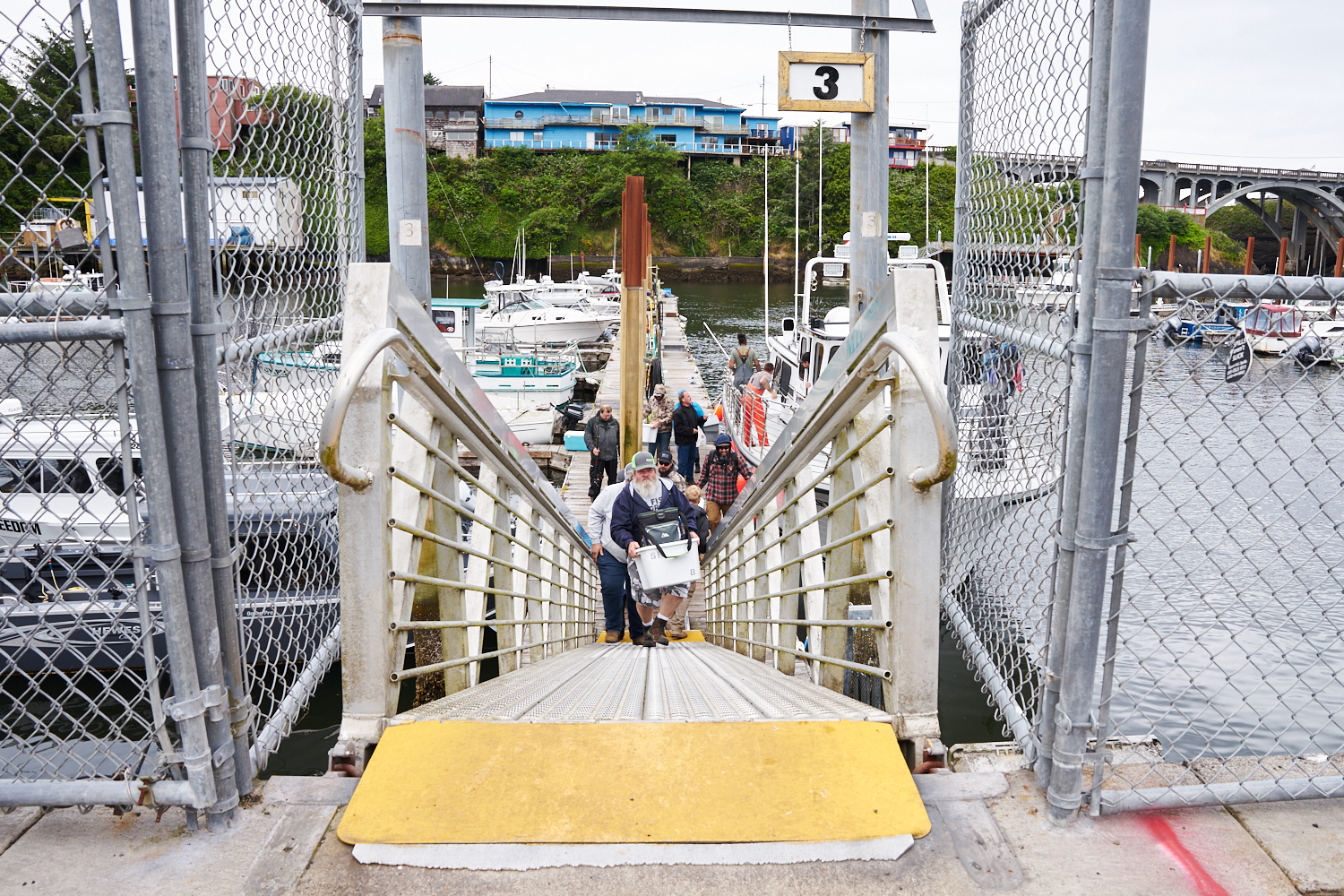
Both charter fishing and whale watching have been a boon to Depoe Bay’s economy. Fishery collapses in the late 90s and early 2000s shuttered commercial fishing operations and processing plants all along the Pacific Northwest coast, forcing many life-long fishermen to take other paths. Although fish populations have rebounded significantly in the past 25 years, tourism is now the occupation of choice for most of the vessels docked in Depoe Bay’s harbor. 

One such operation is Dockside Charters, owned by JT’s son, Tyler Turner, who has embraced both charter fishing and whale watching with his fleet. He says that while he can accommodate a lot of people on a charter fishing excursion, the overhead is higher than whale watching. Fuel especially has been a major concern this summer with diesel prices skyrocketing. This is where Depoe Bay’s unique geography particularly favors whale watching tours. 

“In other ports, like Newport, you have to go 10, 15 [miles] out before you hit open ocean,” Turner says. “Here, we can stay close, and we use less fuel.” 

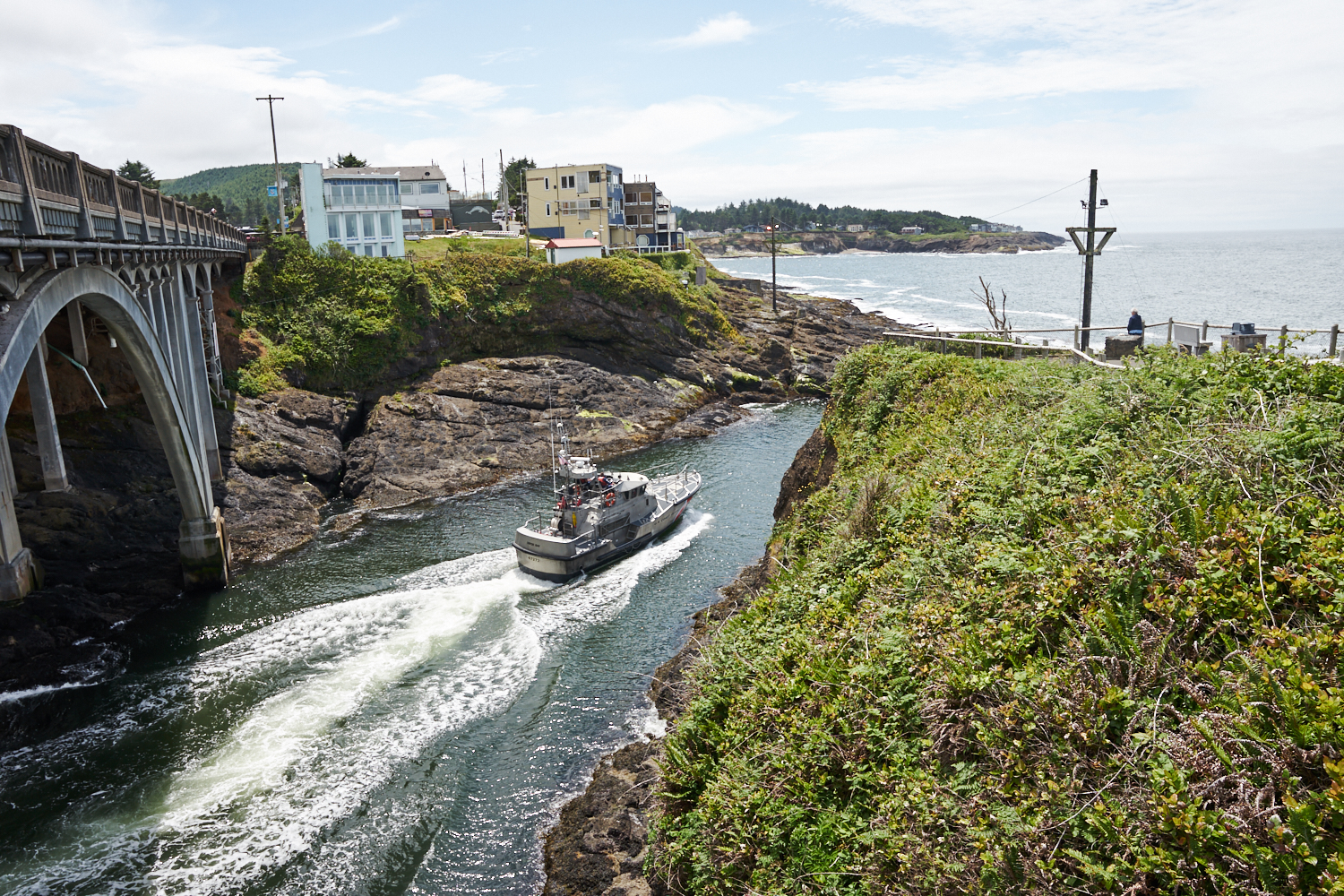
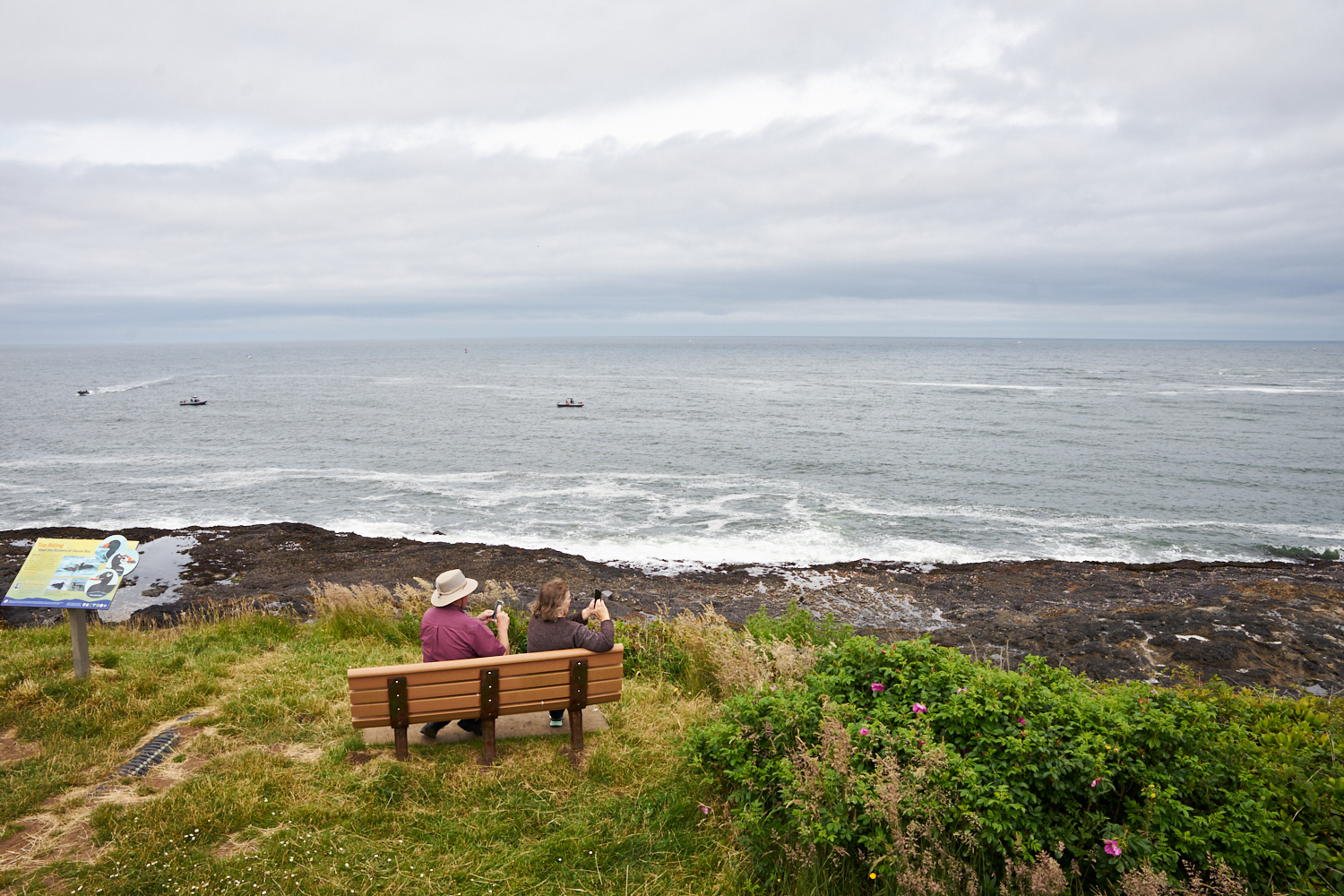
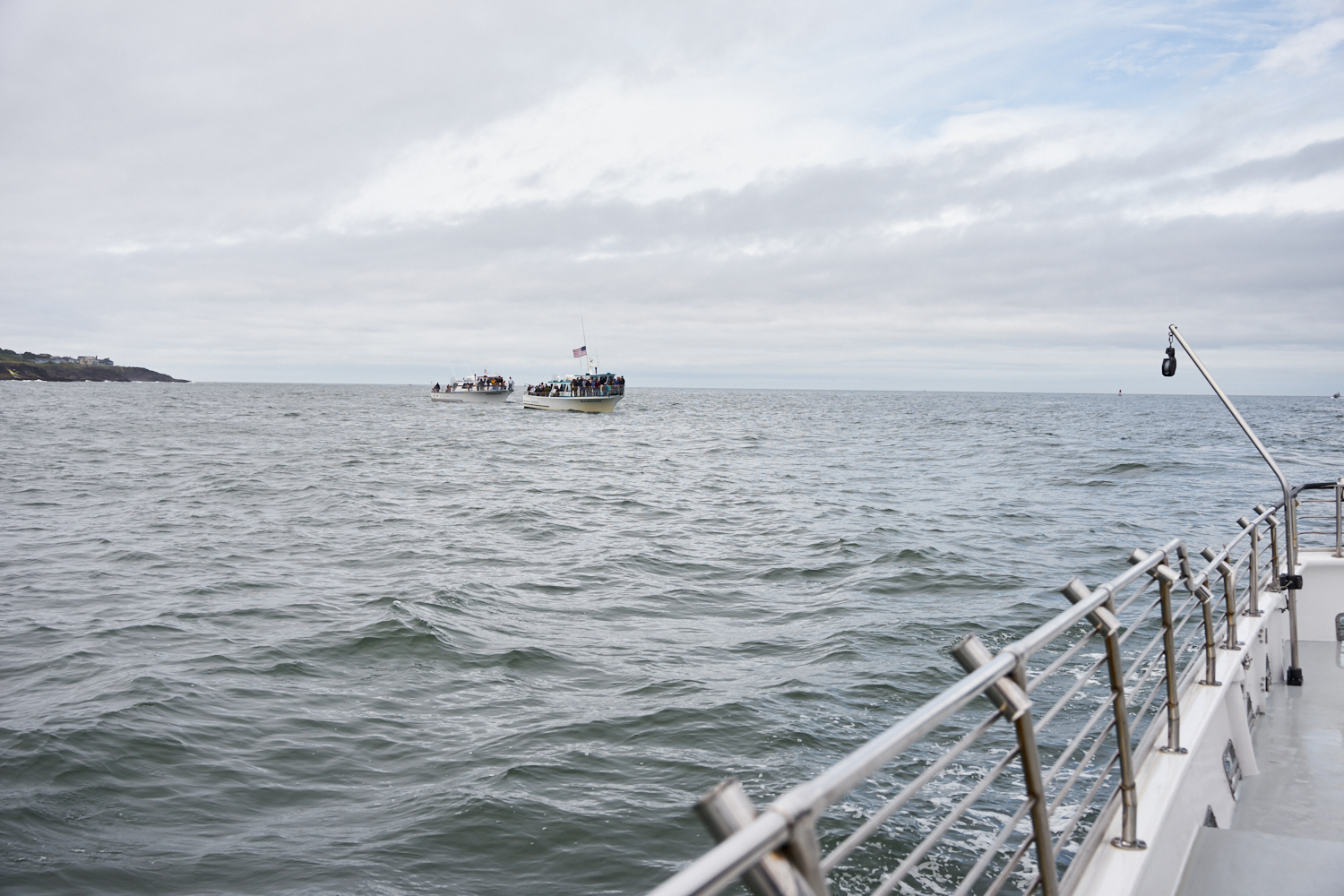
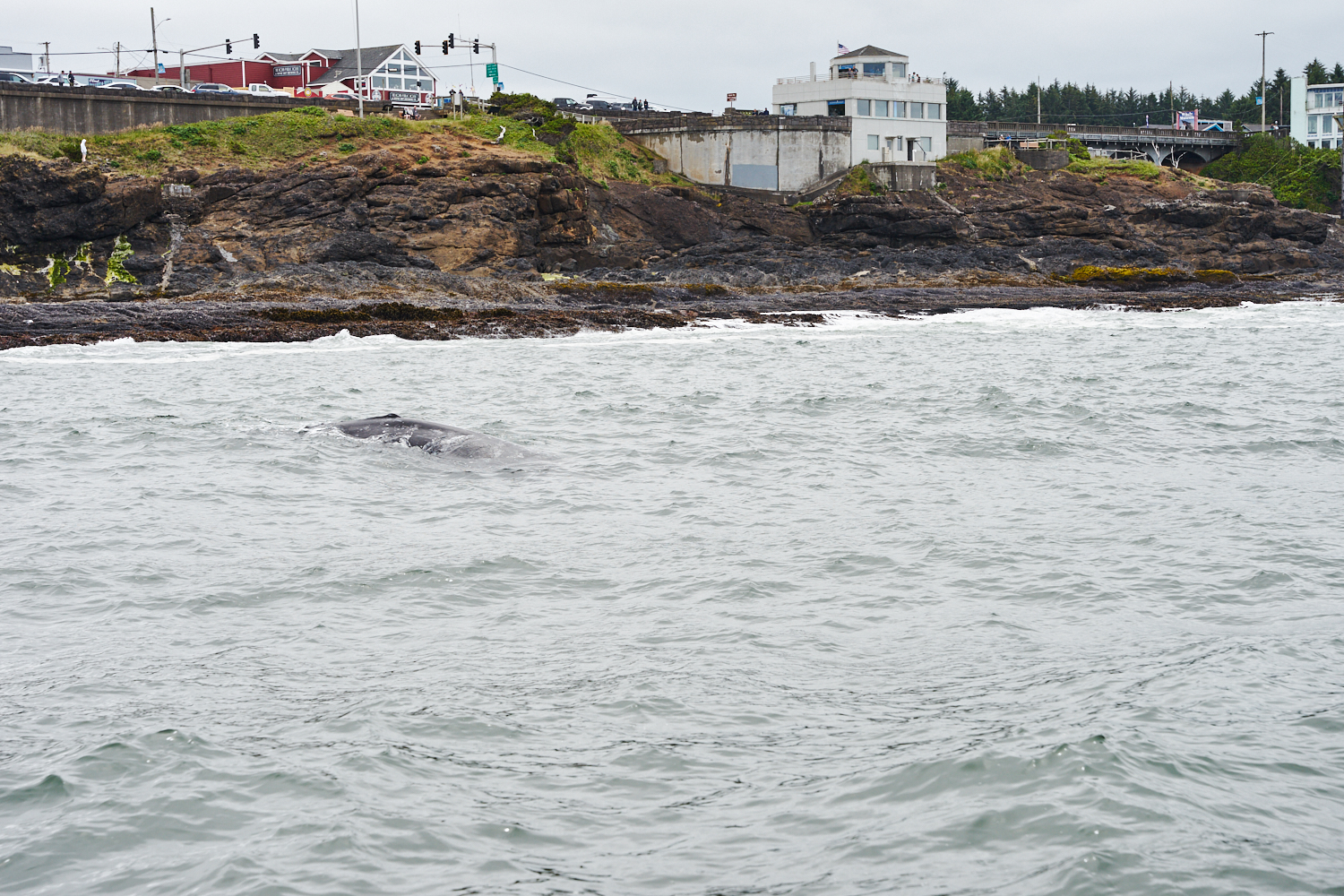
He’s not kidding: The narrow channel leading out of Depoe Bay’s harbor opens right into water deep enough for whales to swim. During feeding season, gray whales pop up just yards from the rocky coastline, much to the delight of visitors on the decks of Turner’s boats. 

“I still get excited every time I see a whale,” says Turner, who grew up in Depoe Bay. “If my dad could go whale watching from 8 a.m. to 5 p.m., he would.”

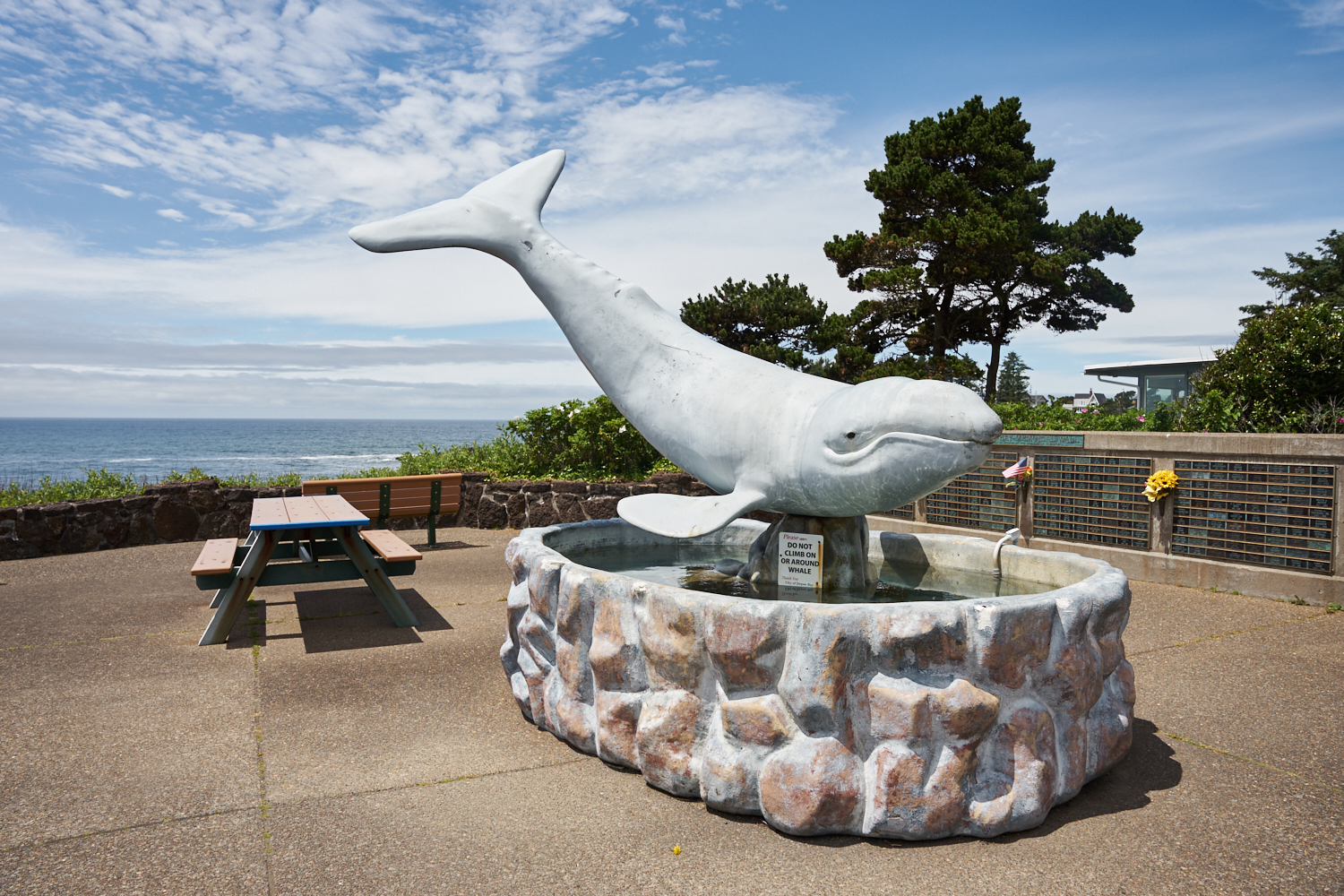
Like many small towns transformed into tourism hotspots, it hasn’t always been smooth sailing for Depoe Bay. Housing has become much more expensive for the local population of just over 1600. Property management companies have gobbled up many single-family homes and turned them into vacation rentals. Wealthier retirees from outside the area have chosen the town as their golden-years homestead, and building new affordable housing has become a contentious political topic. But despite the rough patches, Turner and his partner Eva, who runs much of the administrative side of Dockside, say that they are in favor of enticing visitors to Depoe Bay as much as possible. And for gray whale spotting, JT says there’s no place for tourists like Depoe Bay. 

“Down in San Francisco, the Bay Area, they have a lot of tours but they are mostly staying within the bay,” he says. “Seattle has a lot of whale watching but they are looking at orcas. Depoe Bay—we’re the gray whale capital.”

Visual Portfolio, Posts & Image Gallery for WordPress

All photos copyright Sarah Arnoff Yeoman, 2022

The post Depoe Bay: A Photo Essay on the Gray Whale Capital of Oregon appeared first on The Statesider.

  • βœ‡The Statesider
  • Watching the Whales Go Round
    In this Issue of the Statesider Big whales, small harbor, Native control of national parks, hot potatoes, wayfinding, surfing for everyone, Black Wall Street reborn (twice), and a major find in the world of pants archaeology. Also: give us a piece of your mind in our reader survey! The Gray Whale Capital of the West Depoe Bay, Oregon, is known for two things: the smallest navigable harbor on the West Coast and whales. Lots of whales. Once a productive fishing port, now the town
     

Watching the Whales Go Round

22 December 2022 at 13:01

🐋 In this Issue of the Statesider 🐋
Big whales, small harbor, Native control of national parks, hot potatoes, wayfinding, surfing for everyone, Black Wall Street reborn (twice), and a major find in the world of pants archaeology. Also: give us a piece of your mind in our reader survey!

The Gray Whale Capital of the West

Depoe Bay, Oregon, is known for two things: the smallest navigable harbor on the West Coast and whales. Lots of whales. Once a productive fishing port, now the town is navigating the sometimes choppy waters of transitioning from a working fishing town to a tourism-focused economy. Earlier this year, photographer Sarah Arnoff Yeoman paid a visit to the Gray Whale Capital for the Statesider. 🐳 Take a photographic visit to Depoe Bay 🐳


Tell us what you really think

We’re wrapping our fourth year here at the Statesider, and we want to hear from you. Is once a month enough Statesider? Do the Statesider Originals stick with you? Do they stick with you enough that you’d be willing to help pay for them? (We remain completely reader- and self-funded and all donations go to pay our contributors.) Are there too many stories in each issue, or not enough? Got any ideas about what we should or should not do going forward? We’d love to know what’s missing, what’s what’s working, and hey, we just like hearing from you. Really. 👉 Take our short survey 👈

🦣 Oh, yeah, we ARE on Mastodon, since you asked. Here. 🦣


Stories Across the US

This is Our Love Language: Trips don’t have to be long to be meaningful. The unsung joy of short trips. Sara Benincasa, Pipe Wrench

Finding Your Way: Essays don’t have to be long to be meaningful, either. The art of wayfinding in the mountains of Colorado — and in middle age. Claire Boyles, Sierra Magazine

Rosin Potatoes: The elusive roots of rosin potatoes. What are rosin potatoes, you ask? Imagine that you have a boiling pot of pine rosin and you drop a potato into it. Ta-da: rosin potato. It’s a thing in parts of the Southeast — but where did it come from? Caroline Hatchett, Bitter Southerner

Iowa Hummus: Growing up Palestinian in Iowa — and finding community through food. Khalid El Khatib, Food52

Strangers in a Van: After their flight got canceled, 13 strangers rented a van and drove 652 miles together. Cathy Free, Washington Post

I Just Wanna Surf: A new book of photography focuses on surfers who are regularly left out of the surfer culture and narrative: Black women and nonbinary surfers. Photographs by Gabriella Angotti-Jones, Story by Leah Asmelash, CNN

Native Management: The US Government has a long history of stealing land from Native tribes. Is co-management of land the way forward? Len Necefer, Outside

With, Not Without You: Joshua Tree National Park will be co-managed by California’s Twenty Nine Palms Band of Mission Indians. Mary Beth “Mouse” Skylis, Backpacker

The Next National Monument: Spirit Mountain, Nevada, May Be the Next National Monument. “Avi Kwa Ame (pronounced Ah-VEE kwa-meh) is the place of origin for ten Yuman-speaking tribes of the Mojave, as well as a sacred site for the Hopi and Chemehuevi Paiute people.” Emily Pennington, Outside

Black Wall Street(s): Two new efforts to create Black Wall Streets pop up in Hattiesburg, Mississippi (Stacy Jackson, Black Enterprise) and Baltimore, Maryland (Niko Mann, Black Enterprise).

Via LeviStrauss.com where there’s a cool collection of ghost signs.

Pants in the News: An anonymous pants collector bought a pair of pants recovered from a shipwreck for $114,000 at auction. They *might* have been made by Levi Strauss. Amanda Holpuch, Seattle Times

Hey Siri, Show Me the Most Statesider Headline Possible: “Gay Montana Moose Comes Out in Bozeman, Celebrated on Holiday Pie Crust” Moose Radio

This year’s pie commemorates a very special occasion that took place about a week ago. I’m honored that Bullwinkle chose to come out right here in my yard. Thanks, Mother Nature, for the reminder about all that’s good in the natural world.


What We’re Reading

The Cassandra by Sharma Shields. A young woman who has disturbing visions of the future goes to work on a secret research project at the Hanford Research Facility in Eastern Washington. It’s the 1940s and, as readers, we know what she’s working on. Ultimately she does too — because her visions show her the results. A disturbing and compelling read not just about the nuclear arms race, but about how little society listens to women sounding the alarm. While the main character is fictional, the setting and the Hanford project are very, very real. The long-term results from Hanford dumping on the surrounding area are still a threat to wildlife, the water supply, and the community. Buy a copy today from the Statesider bookshop

The post Watching the Whales Go Round appeared first on The Statesider.

❌