
❌

Reading view

In Favor of Enjoying Things on Purpose
Post image for In Favor of Enjoying Things on Purpose

The human being is an enjoyment-seeking creature. There’s a reason people are always trying to restrain themselves from excessive eating, drinking, scrolling, and shopping. It’s perfectly normal to pursue these and other pleasures even to the point of serious problems and early death.

Even though we are born enjoyment-mongers, we tend to overlook the greatest and most reliable source of enjoyment, which is our ability to consciously enjoy the stuff that happens anyway. We barely even talk about it.

For example, you probably sit down in a chair or on a couch ten or fifteen times a day. You can easily enjoy each of these instances of sitting down, if you make a point of it. It can feel great to relax into any decent chair. But how many times do you sit down without relishing it even a bit?

The pleasure of relaxing into a chair isn’t as intense as the pleasure of chocolate-coated hazelnuts or rapid-fire video memes. But it’s still more than worthwhile, and it’s free. You don’t have to go out of your way to access this source of pleasure, and it doesn’t gradually kill you or make you depressed. (I suspect it does the opposite.)

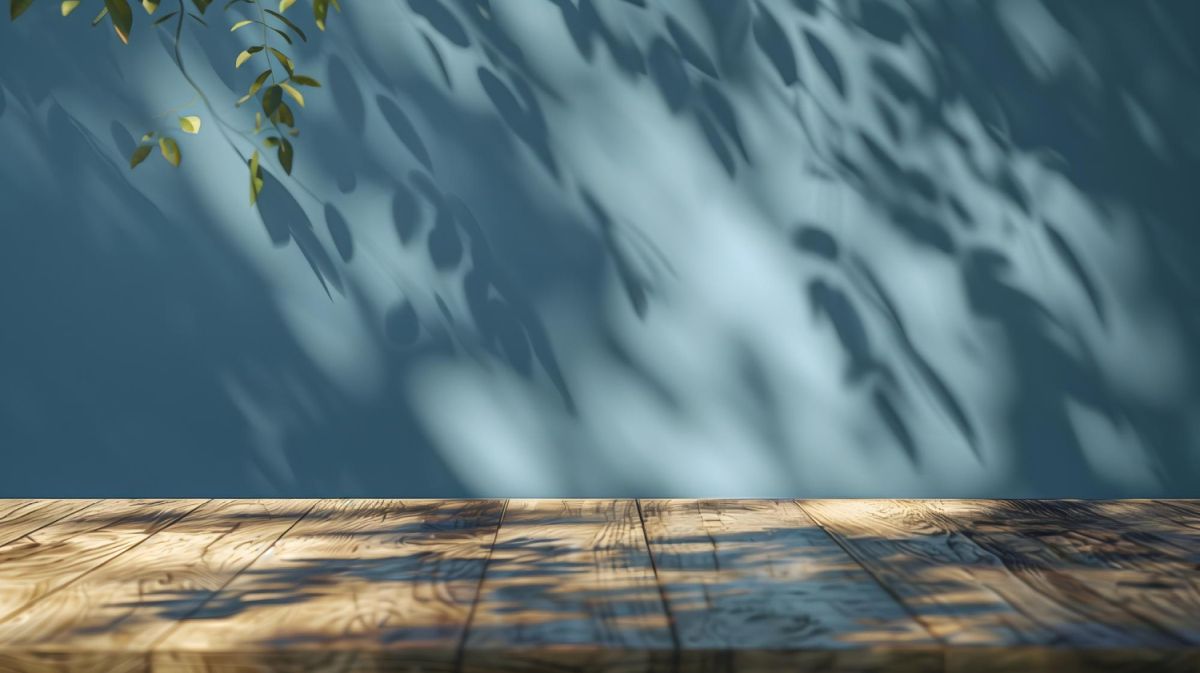
As far as I can tell, virtually every moment offers many such sources of enjoyment, if you can learn to enjoy things consciously and voluntarily. You can, if you intend to, enjoy the dappled light on the breakfast table, the gentle hug of your socks on your feet, or your smoothly-running vehicle — any aspect of the moment you recognize as welcome, helpful, pleasant, or beautiful.

Indulging in these pleasures does not require a special sentimental mood, or the conditions of your life to feel favorable in general. They only require a moment of voluntary appreciation for a single good thing.

Motorized throne expects no thanks

You already know how to do this: you know how to enjoy a good stretch, to bask in the sun, to savor the smell of fresh bread. But we don’t make great use of this talent, for some reason. I think there’s something about our modern consumer-brains that regards pleasure as a thing to be acquired and consumed, often in such concentrated doses that conscious intention isn’t needed. Chocolate cookies, social media notifications, and Scotch whisky are so intensely dopaminergic that they dominate your attention the moment they enter your experience. The pleasures offered by the other 99% of life – the gleaming sky, the softness of your mattress, the hug of your scarf – have to be attended to on purpose or they usually don’t register.

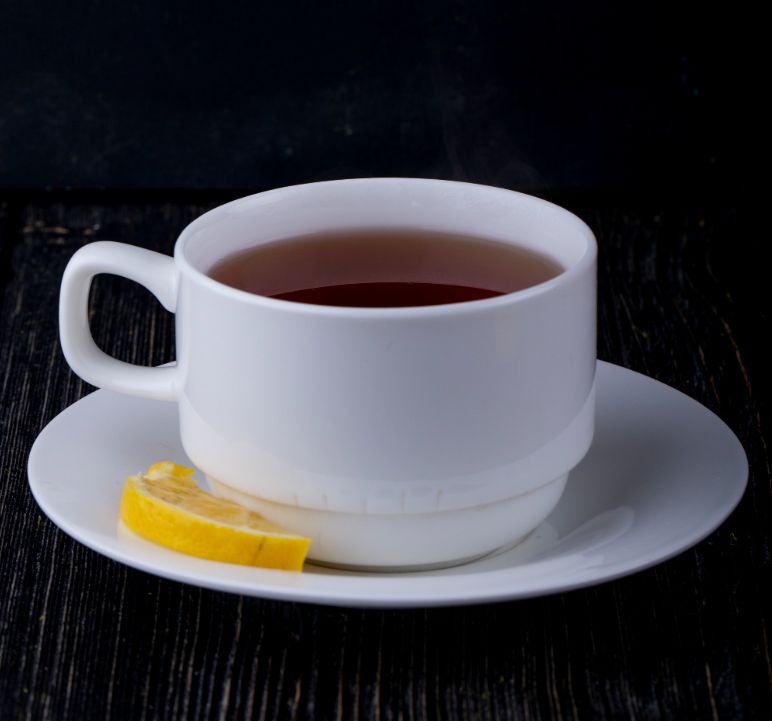
Sometimes life’s more subtle pleasures do force your attention this way, because of the circumstances of the moment. If you come in from the cold, and someone offers you a steaming cup of tea, it’s hard not to notice how great it is. Everything about it seems wonderful: the rich color, the scent of bergamot, the bloom of steam that warms your face when you take a sip.

Will blow the hinges off; might make you die sooner

A cup of tea always offers these same pleasures, but in most circumstances they won’t grab you by the lapels like that. In such a case, it only takes a small but conscious intention to look for its rich color and feel for the bloom of warmth rising up your face. The tea’s gifts are there already, awaiting your attention.

This sort of latent enjoyability often gets revealed whenever you slow down your consumption speed. I’ve remarked before on how elastic the enjoyability of food is, for example: if you eat at half the speed and pay more attention, you get far more enjoyment out of the same amount of food.

Enjoyment always requires attention. It’s just that some pleasures force your attention to them, and most don’t. Depending on these attention-forcing sources of pleasure leads to a preoccupation with the more intense ones, which tend to be sugary, intoxicating, mind-rotting, or costly in some other way.
A work of art every time

Every moment offers pleasures

When you learn to cultivate enjoyment voluntarily, you don’t need to depend so much on those intense and costly pleasure sources. That’s because literally every moment offers many sources of enjoyment, if you’re looking for them.

Bare sense pleasures are a more obvious kind – the warmth in the room, the caress of clothing, the bright sky, the heat of fresh coffee. But you can also appreciate more subtle aspects of the moment in the same way: the presence of a person you trust, the great selection of books on your shelves, the full water bottle you have with you, your ability to read and write, your back being free of pain today. Even though they are subtle, they are concrete experiences that can be noticed and enjoyed, and they are abundant at all times.
Somehow you can decipher these markings

How to enjoy things all day long

Here’s one reliable way to practice voluntary enjoyment. This was the most popular exercise in the recent Raptitude Field Trip group:

At any moment you can ask yourself: what is happening here and now that’s pleasant, beautiful, or helpful?

Don’t just identify it. Find the experience itself — the actual sight, sound or feeling, and consciously enjoy it.

This might sound like another dull gratitude exercise, but it’s not. You’re not just identifying a “positive” thing and telling yourself you’re lucky to have that. You’re locating the good feeling on offer in the present, and enjoying it on purpose.
Good feeling on offer in the present

Again, you already know how to do this. You know how to let the sunlight massage your skin. You know how to relish the feeling of pulling a blanket around your shoulders. You know how to appreciate the presence of a loved one.

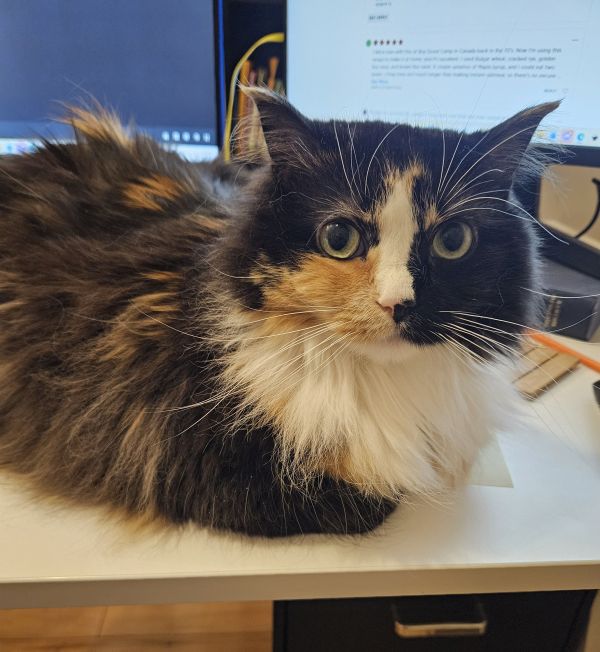
You can do the same thing with ten thousand other things: your ability to stand up without pain, the multi-monitor setup that makes work so much easier, the walls keeping out the cold, the Zenlike presence of your cat, the incredible gang of smart colleagues in your Rolodex, a deep breath, a photograph on your wall, a window in your line of sight, and countless other gifts.

I reiterate that identifying these gifts is not enough. After you recognize one, you then consciously experience and enjoy it. You really can enjoy that you have a cup of water next to you. You can enjoy having clothes on your body. You can enjoy that you could text Jim any time and he’d try to help you.

Will help you move a couch anytime

Notice that your ability to appreciate these gifts does not depend on mood, or on any other condition being favorable in your life. You are always surrounded by countless favorable conditions that can be relished and enjoyed, regardless of the presence of unfavorable ones.

When you do this exercise, don’t try to appreciate every single favorable thing (not that you ever could). Just enjoy one or two of them and move on. It takes seconds.

But do it frequently. Become this more skillful kind of pleasure seeker, an enjoyer of the stuff that happens anyway. Never go to bed without properly basking in the glorious pleasure of lying in a bed under the covers. Everything is like that, all day long.

***

You can still join Raptitude Field Trip 2 if you want to learn this and other Raptitude exercises. The main group has finished but you can do it on your own. The forum is still open and some of us are always hanging around.
  •  

Social Media is the Opposite of Social Life

Post image for Social Media is the Opposite of Social Life

I remember a surreal moment about twenty years ago, which felt like the beginning of something bad, and it was.

I was at a bowling alley with some friends, and a few people in our group were talking about Facebook. I knew what it was but had no interest in it. Then one of them turned to me and said, “There’s lots of pictures of you on Facebook!”

This kind of stunned me and I didn’t know what to say. I hadn’t joined this website but somehow I was one of its features.

A year later all of us were using it. It was exciting at first, because it seemed to give us more access to the people in our lives. We could post photos, make plans, and stay connected to a wider circle of people.

I should note for younger readers that the term “people” at that time only referred to real, physical beings: persons with bodies that walked and drove around and did things. Having friends largely meant physically traveling to the same apartment, bowling alley, restaurant, or movie theater, positioning our bodies amongst each other in this physical space, and interacting using our faces and voices and hearts. The part of your life that consisted of this type of physical activity was called social life.

Social media was meant to facilitate this thing called social life. Facebook’s original purpose was to keep you in touch with people who would otherwise fall out of your social circle, namely people you went to school with.

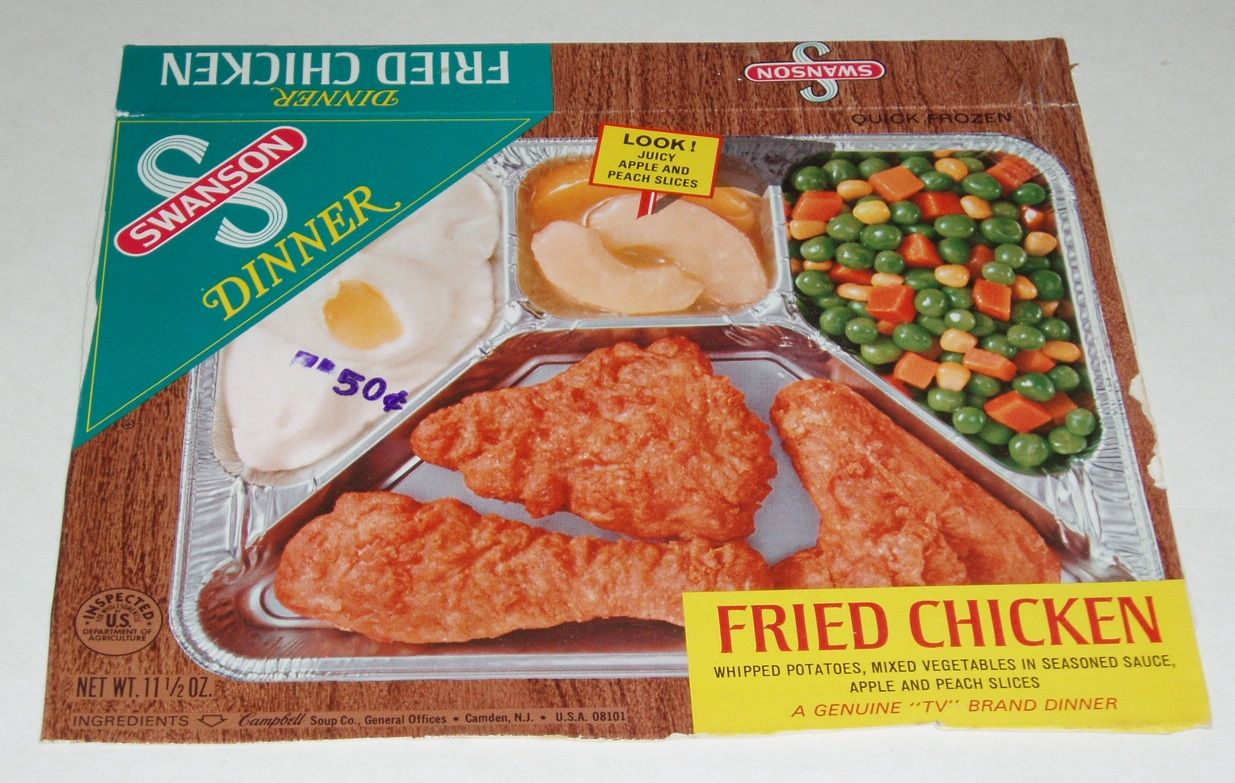
It didn’t really do that. It mostly became a thing to do on your computer by yourself. Within a few years, social media came to be seen as a sort of processed-food version of social life: convenient, low-quality sustenance that should not make up most of your diet. It still seemed like food though, just crappy food.

Should be no more than 80% of weekly intake

I’ve been complaining about social media forever by this point, and so has everyone else. But a recent effort to actively rebuild my social life has revealed something about how these two things relate. Social media isn’t a cheap and inadequate facsimile of social life; it’s its exact opposite. It isn’t worse than social life at fostering personal connection, it undoes personal connection and reverses our social skills.

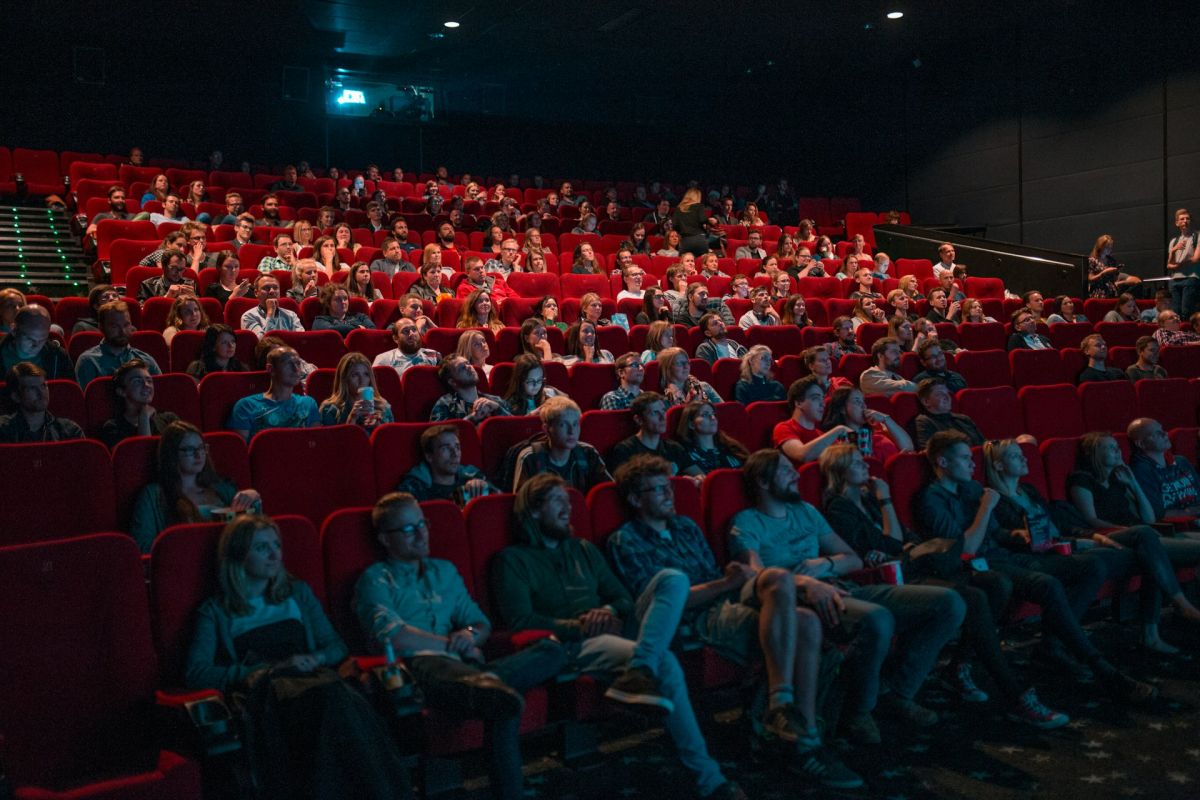
This is because social media doesn’t really allow you to interact with people. People are living beings with beating hearts and live emotions. Social life has always been about engaging in the immediate physical presence of such beings. Social media avoids exactly that part, while allowing you to exchange information and symbols of approval.

6 indications you would be loved if this were real life

In a real social interaction, you’re entangled with the other person, physically and emotionally, in real time. Eyes are looking, faces are expressing, and emotions are humming, one hundred percent of the time. It’s nothing like browsing content or sending off messages — it’s much more akin to riding a horse. Moment-to-moment care is required. It can take you to all kinds of new places, but it has its hazards. You have to stay alert, watch your footing, and keep your heart open to this other living thing you’re entangled with. Doing it badly can lead to a nasty upset or even physical danger.

Online, you don’t interact with living beings. You interact with filtered bits of data issued by unseen, presumably living beings – messages, pictures, links, memes. Each party communicates like a paranoid medieval king, who sends out heralds to convey his latest position, then raises the drawbridge again.

My good friend, appreciating my clever remark

Real interaction isn’t information exchange. It involves performing a host of specific, right-brained skills, all at once – how to get someone’s attention in a way agreeable to them, how to explore their preferred topic, how to take offense gracefully, where to put your eyes and your body, how to know when to unpack and when to summarize, and a lot more.

It all must be done live, with an audience. The human being is built for this sort of thing, but it still has to be learned by doing. The voice, face, body, and heart can work together the way a competent driver’s hands, feet, and eyes operate the steering wheel, gas pedal, turn signal, and mirror as though they’re one. When it’s really clicking, it’s a beautiful thing.

And none of it resembles in any way what you do when you thumb through an app. Social media is just a kind of solitary data processing game. You can exchange information while staying safe from the delicate challenges of real interaction. You can issue your opinions without the heat of real eyes looking at you. You can feel heard, and engage with “the world,” without ever having to account for the immediate presence of another person’s heart.

Built for something very different

I think that’s why social media remains somewhat irresistible to many of us. The human being has powerful cravings for certain social rewards – approval, status, reassurance — but would like to have them without the hazards of real social life. Mucking up a real interaction is painful, and if your skills are poor, improving them is a major trial. Social media walls off all that trouble, while allowing some of the low-level rewards to come through, in the form of likes, stars, hearts, and other fake internet points. You can enjoy these scraps of approval while the wall shields you from the heat and danger of real-time entanglement with another human being.

These platforms now offer filters to make sure only the agreeable bits of other people come through. If someone gets annoying, you can mute them. You can filter out messages containing particular words. The algorithm will learn your intolerances, and show you only the parts of others that require less of your empathy and understanding. It’s no wonder that many people pride themselves on having zero tolerance for differences of political opinion — that degree of intolerance is actually possible now.

Policy towards opinions other than mine

I’m sure some people have figured out how to use this technology to aid social life. But I think most of us have ended up using it unwittingly to the exact opposite effect, as protection against social life.

I guess what I’ve discovered, or re-discovered, is that social life was always a matter of physical action. It’s about getting your body into proximity with other bodies, of physically entering the voice- and heart-radius of other people. It involves things like dressing in front of a mirror, finding parking, entering buildings, shaking hands. It’s sitting across from people in living rooms, restaurants, and church basements. This sounds so obvious typing it out, but somehow I forgot for about twenty years.

***

Want to quit something?

Raptitude has a “Renunciation Club.” We give things up one month at a time, and see what happens.

Take a break from TV, drinking, complaining, social media, eating M&Ms in the car – anything you want to step away from for a bit, for any reason.

Keep us posted on your progress. Get support. Support others.

It’s free. Join here.

  •  
❌