❌

Reading view

Advice For 2019 Goal Planning (and how to avoid my own mistakes)
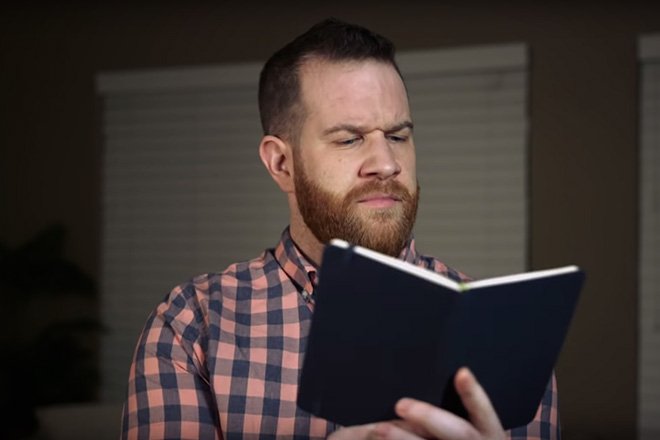
goal planning

Towards the end of December, I start thinking about what I want to focus on in the new year. Whether it’s through New Year’s resolutions or general goal planning, there are ways to increase your chances of success. I tend to do goal planning throughout the year regardless of the season, but the approach of a New Year is an exciting time to get started on a changes you’d like to see.

Setting goals (in the right way) can make all the difference when it comes to actually following through (and I’m speaking from experience, here).

I know a thing or three about how to make goals that don’t work.

When we started decluttering a few years ago, I came across an old Moleskine notebook in my drawer. I hadn’t seen (or used) that notebook in several years, but decided to flip through the pages to see what I might find. One of the first discoveries was a page written towards the end of 2008, when I was planning my goals for the upcoming new year.

I remember writing that list down with massive aspirations in mind, and I also remember turning the page and never looking at the list again. Needless to say, those goals weren’t fulfilled when the end of 2009 came around. Dreams tend to slowly evaporate when left unattended.

Many people make resolutions and goals that may start strong (if at all), only to dwindle down in the following weeks. I was one of them for many years.

Luckily, I’ve learned from my mistakes over the years and have made steady progress towards the goals that I never got close to fulfilling previously.

Here is some advice around goal planning, and how to avoid the mistakes I made:

Subscribe for the latest videos!

1 / Pick 2 (or at most 4)

While it can be tempting to dream big, we simply can’t focus on more than a few things at a time. Don’t limit yourself in the brainstorming phase; you can make as long of a list as you want. But when it comes down to top priorities that you want to focus on—keep it to two, three, or at the most, four.

In a certain way, making a long list of aspirational goals is kind of a false first step. It tricks your brain into thinking you’re making progress on those things because you’re thinking about and planning them. But it’s not actually taking action. Sometimes, the act of planning and talking about the goal is enough that we never actually make any real progress.

2 / Define the action needed

Instead of making an outcome-based goal—such as losing 20 pounds or reaching a certain amount of savings—define the regular action that will get you there. An example of this in my life right now is going to the gym four times a week. If I walk through the door of the gym, I’m successful. Each day’s success is motivation to keep on going. Regular, repeated action of going to the gym is what gets me nearer to my fitness goals.

3 / Cut it in half

Now that you have your action, take whatever it is and cut it in half. So if you’re thinking you’d like to study a new language seven days a week, do four days a week. If you’re thinking about writing 500 words a day, then set the goal for 250 words a day. Setting a lower initial goal makes it easier to consistently hit that goal. After all, it’s the repetition that makes the magic happen. You can always go an extra day or for a longer duration if you’re feeling extra inspired.

4 / Make it visible

The worst way to stay on top of the goals you want accomplish in your life is by turning the page and never looking at them again. If it’s out of sight, it’s out of mind. So write it down on a big piece of paper and stick it on the wall. Keep track of your progress in a journal—whatever it takes to keep it visible and in mind.

5 / Seek accountability

You don’t have to do it alone. Seek accountability with the goals you’d like to accomplish in your life with others who are working on similar goals.

A couple months ago, I launched the Attention Collective, currently made up of over 100 people who have joined to be a part of the intentional living movement. Members get access to a private community forum, the full audio course library—around topics like minimalism, focus, meditation—and a new audio course each month. The courses are 21-day audio series that either asks a question, shares a consideration, or provides thought-provoking intentions as you start your day. In addition to all of that, I’m now doing 20-minute welcome calls with all new members. You’ll get to hop on a video chat with me and we’ll talk about whatever you want: your goals, what you’re working on, and I’ll also show you around the community.

Best of luck in goal planning for the New Year!

The post Advice For 2019 Goal Planning (and how to avoid my own mistakes) appeared first on Break the Twitch.
  •  

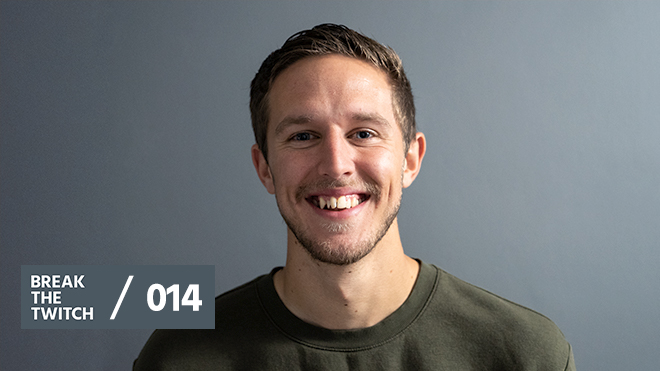
One Life with Matt Bray of Project One Life

BTT 014 Matt Bray ProjectOneLife

What will you do with your one life? Matt Bray shares how a $10 bucket of popcorn led to a viral YouTube video and experiencing life to the fullest.

Apple // YouTube // Stitcher // Spotify // TuneIn

Welcome to Season 2 of the podcast! I chat with Matt Bray, YouTuber and creator behind epic videos, including the hits like 100 People of Dance on the Project One Life YouTube channel. In this episode, we talk about what it’s like to go viral on YouTube, fostering creativity, and the value of comfort zone challenges.

Matt shares the story about how a $10 bucket of popcorn led him down the path he’s on today, as well as how his first YouTube video went viral. With topics ranging from creative process, how to build confidence and navigating the nontraditional path, this episode will inspire you to experience life to the fullest.

Mentioned:

The Buried Life
Devin Graham


Ready to take action with secret member-only content and community resources? Join Attention Collective, our online community of like-minded humans from around the world, and get full access immediately. See you inside!


Watch the BTT 014 conversation:

Subscribe for the latest videos!

The Break the Twitch podcast is an interview-based podcast hosted by Anthony Ongaro featuring guests from all walks of life. See all the episodes and the latest news on the Podcast page.

The post One Life with Matt Bray of Project One Life appeared first on Break the Twitch.

  •  

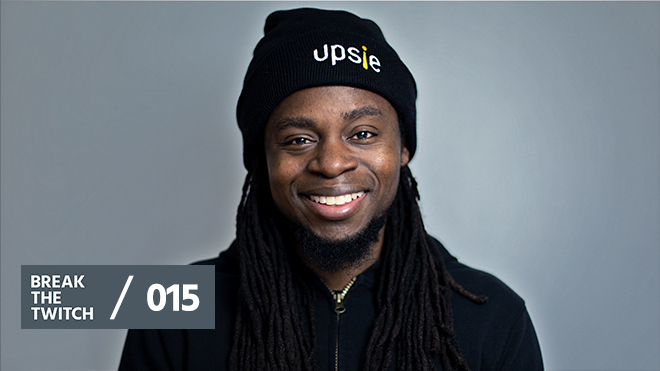
The Greater Good with Thompson Aderinkomi

BTT 015 Thompson Aderinkomi

Thompson Aderinkomi, an innovative healthcare entrepreneur and the founder of Nice Healthcare, shares his path and quest to disrupt the healthcare industry for the greater good.

Apple // YouTube // Stitcher // Spotify // TuneIn

In BTT 015, I chat with Thompson Aderinkomi, who is the founder of two startups, Nice Healthcare and Relate.

Thompson shares how his desire for freedom, changing the world and revenge motivated him to take on the $3.5 trillion dollar healthcare industry. In addition, we discuss how small, intentional choices can add up to big results over time—in lifestyle, exercise and diet. We also talk about managing risks you can control, life with kids, to the most efficient workout. This conversation will definitely inspire you to make more intentional choices in your own life.

If you enjoyed this episode, please leave a review on Apple Podcasts. Every review we get helps boost the Break the Twitch podcast so we can reach more people.

Mentioned:

Choose Yourself by James Altucher
The 4 Hour Body by Timothy Ferriss


Ready to take action with secret member-only content and community resources? Join Attention Collective, our online community of like-minded humans from around the world, and get full access immediately. See you inside!


Watch the BTT 015 conversation:

Subscribe for the latest videos!

The Break the Twitch podcast is an interview-based podcast hosted by Anthony Ongaro featuring guests from all walks of life. See all the episodes and the latest news on the Podcast page.

The post The Greater Good with Thompson Aderinkomi first appeared on Break the Twitch.

The post The Greater Good with Thompson Aderinkomi appeared first on Break the Twitch.

  •  

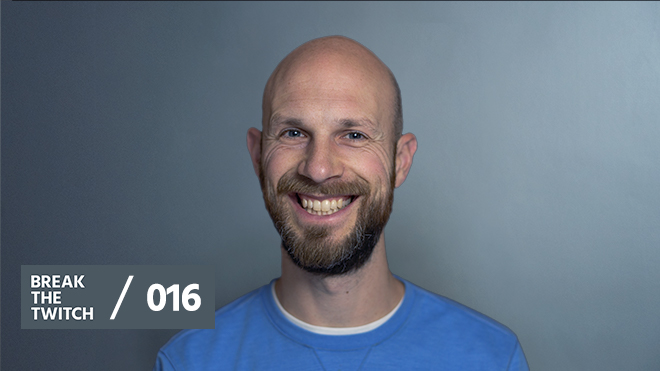
Building Community with Joel Zaslofsky

BTT 016 Joel Zaslofsky

If you’ve ever wondered how to combine multiple passions and build a community around it, Joel Zaslofsky is your guy.

Apple // YouTube // Stitcher // Spotify // TuneIn

I chat with Joel Zaslofsky, the podcaster behind Smart and Simple Matters, a multipotentialite, and head of operations behind The Putty Tribe. In this episode, we talk about everything from quantum biology, building community, personal renaissances and more. Joel shares how he intentionally changed his habits to better align his actions with his values. In addition, we discuss what it’s like to work alone as an extrovert and how to bring more community into your own life.

If you enjoyed this episode, please leave a review on Apple Podcasts. Every review we get helps boost the Break the Twitch podcast so we can reach more people.

Mentioned:

Leo Babuta
Joshua Becker
Courtney Carver
Sleep Smarter
Evan Brand Podcast
This Epic Life
Feedly
Live Your Legend


Ready to take action with secret member-only content and community resources? Join Attention Collective, our online community of like-minded humans from around the world, and get full access immediately. See you inside!


Watch the BTT 016 conversation:

Subscribe for the latest videos!

The Break the Twitch podcast is an interview-based podcast hosted by Anthony Ongaro featuring guests from all walks of life. See all the episodes and the latest news on the Podcast page.

The post Building Community with Joel Zaslofsky first appeared on Break the Twitch.

The post Building Community with Joel Zaslofsky appeared first on Break the Twitch.

  •  

How To Start and Keep Healthy Habits

keep healthy habits

Last year was a milestone for me in eating healthier and keeping up a fitness habit (averaging 3.5 times per week). I’m feeling and looking better than I ever have and would like to share what I’ve learned over the past year in a three-part Healthy Habit series.

We’ll kick off the series with how to start and keep healthy habits, followed by some fitness tips, and what I’ve learned about food and supplements (as someone who gains weight seemingly from just looking at carbs).

I’d like to caveat that everything I share is purely based on anecdotal experience. I’m not a doctor, nutritionist or medical professional. Before starting any diet, supplement or exercise program, consult your doctor or an appropriate professional.

Subscribe for the latest videos!

With that, here’s what I’ve learned about how to start and keep healthy habits.

1 / Start smaller and easier than you think

Building a habit is more about repetition—being able to show up and do the work over and over again—than it is about getting results as quickly as possible. There are tons of products and companies out there promising big results in a short amount of time. But with health and fitness especially, it’s about continuously doing the small actions or else the results simply don’t stay.

If it’s fast, it’s probably not going to last. When you start small, it reduces the resistance you feel towards doing it consistently, which leads to a higher likelihood of lasting change.

2 / Change your mentality and language

One thing I’ve found to be helpful is simply changing how I view and talk about working out or eating better. Instead of saying, “Ugh, I have to go to the gym today,” realize it’s not true. It’s a choice you’re making—and one that not all people get to make. So try saying, “I get to go to the gym today,” or “I’m making a choice to go to the gym today.”

I found that after a couple months of working out regularly and talking more positively about it, I started to crave going to the gym. Working out became something I looked forward to every single time.

3 / No complaining allowed

One rule my wife Amy and I made really helped in building a fitness habit. If one person was more motivated to go to the gym, the other person wasn’t allowed to complain or drag the motivated person down. That way, it’d be the more motivated person that day that got the less motivated person up and going.

Because more than likely, once you’re there at the gym, you’re going to do something that’s beneficial for you. And you’ll also feel better and happy that you went.


Ready to take action with secret member-only content and community resources? Join Attention Collective, our online community of like-minded humans from around the world, and get full access immediately. See you inside!


4 / Work on your goal setting

What I found worked best for me was setting a goal to hit a certain number of days at the gym each week. It can be one, two, or three—whatever feels small and easy (as mentioned earlier) based on your situation. So just set the goal to show up and once you’re there, you’ve already won.

If you miss one or more days, it’s not a big deal. After all, it’s the long run that truly matters. Just get back to it as soon as you’re able. As long as you’re starting small enough, it should be easy to start back and keep the habit going.

5 / Be kind to yourself

This one is simple, but one of the most important and harder things to do. It’s easy to get into a shame spiral when you’re not kind to yourself during times when you don’t eat well for a couple days or when you get injured.

When you beat yourself up, you’re more likely to give up or say things like, “Why bother anyway?”, and you’re less likely get back on track. Being kind to yourself during challenging times will help you move forward and remain more consistent. Loving yourself as you are is the best way to start in all instances.

6 / Connect with others

Finding small ways to connect with others while I’m out is something I like to do. When I go to the gym and see someone I’ve seen before, I’ll smile, wave, then go about my business. Over time, there will be some kind of connection and there may be opportunities to strike up a conversation. It doesn’t need to be a friendship or anything more than just a friendly hello. Some people also don’t like being bothered if they’re intensely working out.

But if the situation is right, connecting with others working on similar goals can further enhance your healthy habits.

So in summary, these are 6 things that I found really helpful in starting and keeping healthy habits. While I still have a long way to go, I’m feeling and looking better than I ever have before. Best of all, these healthy habits have become part of my lifestyle. Stay tuned for next two posts in the Healthy Habits series—tips on fitness and exercises, as well as the food and supplements I’ve found to be helpful.

For more on building habits, you may be interested in these 10 habit guidelines and a helpful guide on lifestyle experiments.

The post How To Start and Keep Healthy Habits first appeared on Break the Twitch.

The post How To Start and Keep Healthy Habits appeared first on Break the Twitch.

  •  

Solving Problems with Alex Pagliere

BTT 017 Alex Pagliere

Alex Pagliere, a designer and creator, shares what’s really behind good design and the importance of intentionally designing your life.

Apple // YouTube // Stitcher // Spotify // TuneIn

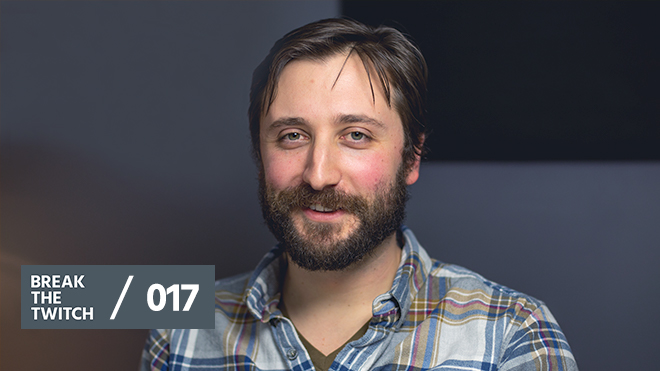
In BTT 017, I chat with my good friend, Alex Pagliere, a designer, entrepreneur, and the creator behind the CR Brand wallet notebook and These Men Are Professionals.

Alex explains why he switched his undergraduate degree from computer science to architecture and design. Additionally, he shares his entrepreneurial journey, his transition back to full-time work and the benefits of self-employment vs. working full-time. We talk about what’s really behind good design and the importance of designing our environment and life. This candid, insightful conversation will inspire you to view and design your life more intentionally.


Ready to take action with secret member-only content and community resources? Join Attention Collective, our online community of like-minded humans from around the world, and get full access immediately. See you inside!


Mentioned:

How Engineers See
Hooked
Time Well Spent Movement
Shop Class as Soulcraft
Everything is Illuminated

If you enjoyed this episode, please leave a review on Apple Podcasts. Every review we get helps boost the Break the Twitch podcast so we can reach more people.

Watch the BTT 017 conversation:

Subscribe for the latest videos!

The Break the Twitch podcast is an interview-based podcast hosted by Anthony Ongaro featuring guests from all walks of life. See all the episodes and the latest news on the Podcast page.

The post Solving Problems with Alex Pagliere first appeared on Break the Twitch.

The post Solving Problems with Alex Pagliere appeared first on Break the Twitch.

  •  

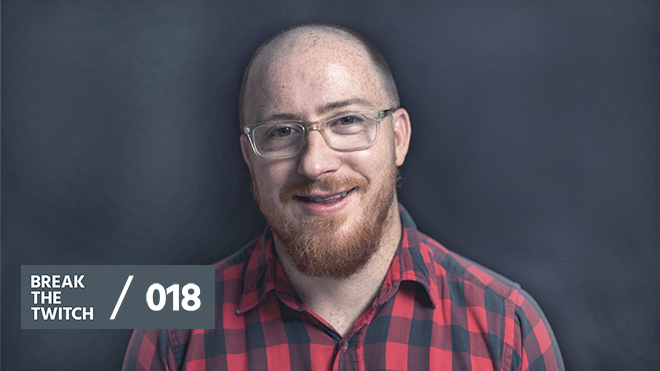
30 Days of Biking with Patrick Stephenson

BTT 018 Patrick Stephenson

Patrick Stephenson shares how a simple tweet led to a global 30 Days of Biking movement and how to get started on the creative work that really matters.

Apple // YouTube // Stitcher // Spotify // TuneIn

In BTT 018, I chat with my good friend, Patrick Stephenson, a copywriter, Minneapolis biking icon and the founder of the global biking movement 30 Days of Biking that happens every year in April.

Patrick shares how a simple tweet led to thousands of people pledging to bike for 30 days. He advocates for inclusivity and using social media not as a highlight reel but more of a realistic depiction of what’s going on. With topics ranging from managing anxiety and overwhelm to making space for creative work, this conversation will inspire you to focus on what’s in front of you and just get started.

Mentioned:

Break the Twitch book
Break the Twitch audio series
False First Step
Minimal Viable Action
How to Start a Blog
The Daily 202 Podcast

If you enjoyed this episode, please leave a review on Apple Podcasts. Every review we get helps boost the Break the Twitch podcast so we can reach more people.

Watch the BTT 018 conversation:

Subscribe for the latest videos!

The Break the Twitch podcast is an interview-based podcast hosted by Anthony Ongaro featuring guests from all walks of life. See all the episodes and the latest news on the Podcast page.

The post 30 Days of Biking with Patrick Stephenson first appeared on Break the Twitch.

The post 30 Days of Biking with Patrick Stephenson appeared first on Break the Twitch.

  •  

From Passion to Business with Gigi Berry

BTT 019 Gigi Berry Pin Queen

Going from passion to profitable business is possible. Pin queen and entrepreneur, Gigi Berry, shares how she got started and what keeps her going.

Apple // YouTube // Stitcher // Spotify // TuneIn

In BTT 019, I chat with Gigi Berry, designer, culture curator, pin queen and maker of custom pins through her two companies, Cherry Moon Press and The Minnesota Pins.

Gigi talks about how she turned her passion for pin collecting into a profitable business. She shares the creative process behind her many designs and her dedication to philanthropy. We talk about what keeps her motivated in dealing with the positives and negatives of entrepreneurship and health challenges. This conversation will inspire you to act on your unique ideas and share what only you can share with the world.


Ready to take action with secret member-only content and community resources? Join Attention Collective, our online community of like-minded humans from around the world, and get full access immediately. See you inside!


Mentioned:

Big Magic
Flip Phone Events
OutFront Minnesota

If you enjoyed this episode, please leave a review on Apple Podcasts. Every review we get helps boost the Break the Twitch podcast so we can reach more people.

Watch the BTT 019 conversation:

Subscribe for the latest videos!

The Break the Twitch podcast is an interview-based podcast hosted by Anthony Ongaro featuring guests from all walks of life. See all the episodes and the latest news on the Podcast page.

The post From Passion to Business with Gigi Berry first appeared on Break the Twitch.

The post From Passion to Business with Gigi Berry appeared first on Break the Twitch.

  •  

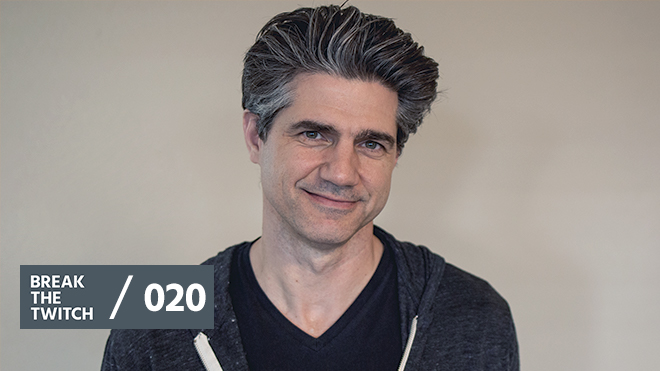
Becoming Minimalist with Joshua Becker

BTT 020 Joshua Becker Becoming Minimalist

Joshua Becker, a bestselling author on the topic of minimalism, shares deep insights around decluttering your home and life.

Apple // YouTube // Stitcher // Spotify // TuneIn

In BTT 020, I chat with Joshua Becker, the founder of Becoming Minimalist and Wall Street Journal bestselling author of The Minimalist Home and The More of Less.

Joshua and I delve into why it can be so easy to accumulate things and hard to let them go. We discuss how minimalism can help us clarify what’s important, better align with our values and be more creative. Whether you’re interested in learning more about a practical, step-by-step approach to decluttering your home or the power of asking how you can help others, you’ll find this conversation to be a great listen on living more intentionally.


Ready to take action with secret member-only content and community resources? Join Attention Collective, our online community of like-minded humans from around the world, and get full access immediately. See you inside!


Mentioned:

The Tyranny of the Urgent
Hope Writers
Zen Habits
David Bruno’s 100 Things Challenge

If you enjoyed this episode, please leave a review on Apple Podcasts. Every review we get helps boost the Break the Twitch podcast so we can reach more people.

Watch the BTT 020 conversation:

Subscribe for the latest videos!

The Break the Twitch podcast is an interview-based podcast hosted by Anthony Ongaro featuring guests from all walks of life. See all the episodes and the latest news on the Podcast page.

The post Becoming Minimalist with Joshua Becker first appeared on Break the Twitch.

The post Becoming Minimalist with Joshua Becker appeared first on Break the Twitch.

  •  

Bring Gratitude – A 30 Day Challenge

bring gratitude

Anthony’s Note: This is a guest post from Karl Staib, author of Bring Gratitude.

Last summer I was at lunch with a friend. I fell back into an old habit.

My friend went to the bathroom and I did what I always do. I pulled out my phone.

I already had Amazon open and I was flipping through some of the books I was interested in buying. Then I saw the book I wanted was $2 cheaper than last week. Tap and it was on its way. I got my little dopamine rush just before my friend came back to the table.

He sat down and I put my phone down. Just like that, I was $12.76 lighter and a proud owner of a new book. It was a book I wanted, but I have a queue of 6 books waiting for me: 2 on my phone and 4 on my nightstand.

Have you done this before?

It’s so easy to buy something now. We don’t take the time to really make sure we truly want it. I’m guilty of doing this way too often. I realized that I wasn’t enjoying what I had in my life. I had been distracting myself instead of appreciating the things I did have.

I decided to make some changes.

Gratitude

The key to eliminating this bad habit for me was learning to appreciate what I did have instead of wanting more. The ability to tap into gratitude when you notice yourself going to your phone for a pick-me-up is so important. You are making time to pause and not be reactive.

When you pause and feel grateful before you act, you will create positive emotions that will help you make smarter choices.

Internal Stories

How you manage your feelings directly affects how successful you are at dealing with your life. You can start by understanding the stories that are going on in your head. Do you say to yourself, “I need to hop on my phone real quick to check my email?”

You don’t need to hop on your phone. You “want” to hop on your phone. You have options.

Instead of hopping on my phone while my friend went to the bathroom, I could have enjoyed the moment around me. The nice interaction between the man who ordered a sandwich and the woman who complimented him on his choice and the dark brown jacket he was wearing. I think she was flirting with him. I was only halfway paying attention. I took multiple sips of my drink and I couldn’t really remember a single one.

Each choice we make in a situation helps us build habits. Good and bad. It’s up to us to build habits that support our health and happiness.

Small Bites

We can start by doing little things to help us improve our habits.

It’s OK to pick up your phone and play a game or jot down a note, but absent-mindedly making these choices will not help you in the long run. In my case, it led to the purchase of a book that I didn’t have time to read. We need to be aware of our personal goals and values and build habits that help support our growth.

That’s why I lean on my gratitude journal. I am far from perfect, but my gratitude journal always brings me back to center. This routine has helped me reduce the need to purchase things that I don’t want.

When I work with a client, I suggest that they keep a gratitude journal to help build a more resilient and happier mindset. Go ahead – start your own gratitude journal and see how it can help you.

Just write what you are grateful for and why you are grateful for it every day for 30 days. I suggest something like this:

  • I’m grateful for my bed because I slept well last night.
  • I’m grateful for a delicious burger because it truly hit the spot and made me feel satisfied.
  • I’m grateful that my dog encourages me to take a walk each night because it helps me process my day.

The “why” is important because it helps deepen the gratitude journal experience. Within a few days, you will begin to see improvement in your outlook.


If you are interested, join our free 30-Day Bring Gratitude Challenge running March 1st thru 30th. It’ll help strengthen your mindset. Come join us and you’ll get email updates and a private Facebook group. If you have any questions, I’ll be available 7 days a week during this time. My goal is to get the smartest and most caring people together to create an amazing community, so we can help each other learn from our mistakes and build a life that we love.

Karl Staib is the author of Bring Gratitude and the Creator of the 30-Day Bring Gratitude Challenge.

The post Bring Gratitude – A 30 Day Challenge first appeared on Break the Twitch.

The post Bring Gratitude – A 30 Day Challenge appeared first on Break the Twitch.

  •  

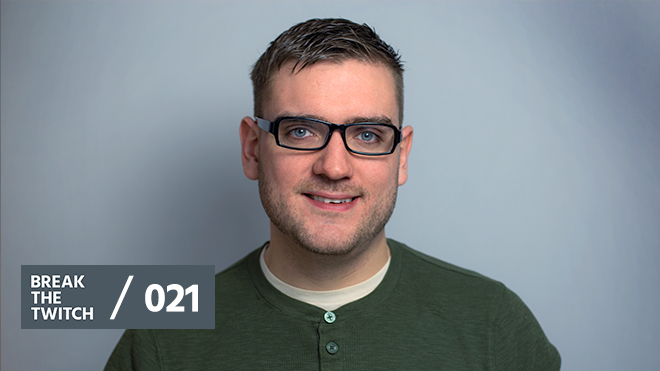
How to Make Everything with Andy George

BTT 021 Andy George How To Make Everything

Andy George of the popular How to Make Everything YouTube channel shares the making process that’s behind many of the things we take for granted.

Apple // YouTube // Stitcher // Spotify // TuneIn

In BTT 021, I chat with Andy George, the maker and mastermind behind the Simply Complex Podcast and the popular How to Make Everything YouTube channel with over one million subscribers.

Andy shares how the YouTube channel got started from his desire to make a sandwich from scratch. From growing and harvesting his own wheat to milking a cow, the whole process took 6 months and $1,500 to make. We discuss the greater understanding that comes from sourcing materials and learning to make things we take for granted like the food we eat, a formal suit or clear glass. Additionally, we talk about creativity, building a sustainable business and the one thing Andy still prefers to make from scratch. Listening to this episode will inspire greater appreciation and curiosity for the everyday objects in your life.


Ready to take action with secret member-only content and community resources? Join Attention Collective, our online community of like-minded humans from around the world, and get full access immediately. See you inside!


Mentioned:

What the Flux is Glass
Social Blade
Couch to 5K
StrongLifts

If you enjoyed this episode, please leave a review on Apple Podcasts. Every review we get helps boost the Break the Twitch podcast so we can reach more people.

Watch the BTT 021 conversation:

Subscribe for the latest videos!

The Break the Twitch podcast is an interview-based podcast hosted by Anthony Ongaro featuring guests from all walks of life. See all the episodes and the latest news on the Podcast page.

The post How to Make Everything with Andy George first appeared on Break the Twitch.

The post How to Make Everything with Andy George appeared first on Break the Twitch.

  •  

Why You Shouldn’t Start A Business

Why You Shouldn't Start A Business

If you have a bunch of ideas for side hustles or businesses that you dream of starting, I’m hoping that by the end of this article I can convince you not to start them.

Of course, there are all the typical reasons why you shouldn’t start a business:

1 / At least 50% of businesses fail in the first five years
2 / If your business fails, it’s very personal and very public
3 / It’s a ton of work and can take several to ten years to find any kind of success

But there is an even better reason why you shouldn’t start a business. It’s a huge waste of time (and money).

Now, before you get all up in arms (if you haven’t already) and call me a hypocrite, allow me to explain exactly what I mean.

Over the weekend I spoke about practicing mindful habits at Still Kickin’ IRL, a wonderful retreat put on by Nora McInerny and team in six-foot-high-snow-piles Finland, Minnesota. It was at a nature lodge with a taxidermied wolf, and it didn’t stop snowing the whole time we were there.

Check out this picture I took about 100 yards off the shore of Lake Superior on my way home. The waves on the lake caused the ice to fracture on its way into shore and the pieces piled up making it look like a strange, alien world. Pretty cool, huh?

lake superior stacked ice

Anyway, this week, I ended up grabbing coffee with a quite lovely person I met at the conference and he asked me this question:

My girlfriend and I have a ton of great ideas for businesses to start, but we’re struggling to figure out what kind of business structure it should have. What’s better? An LLC, a non-profit, or what? We want to help people, but we’re getting stuck figuring all this out.

When I answered this question, I realized that I had never shared this advice with anyone before (which is why you’re reading it here, now).

Here was my answer: It absolutely does not matter what type of business you start. In fact you should not start an actual business at all—nonprofit or otherwise. Here’s what you should do instead.

Just start doing the thing that you want the business to do.

Go out into the world, test and validate the ideas you have before ever creating a logo, opening a bank account, registering an LLC, or anything else.

Sure, there will likely be some amount of financial investment to bring something big together—but not on any of the above.

So yes, I did lie a little bit. I really do think you should start a business, try a side hustle, or pursue a creative endeavor. But I also think you should wait as long as possible to turn it into something official.

I hope you can learn from my pain.

I have spent, probably, hundreds of hours of my life in my twenties registering business structures, creating logos, designing websites, buying domain names, and opening business bank accounts—only to never run a single dollar through those bank accounts. Except for the monthly fees they charged me, of course.

All of these steps, especially when taken very early on, are what I call a false first step. A false first step feels like you’re making progress on building something, but you’re really just spending money and burning time.

If you want to start a business, go out and do the thing. Likely it will shift and change as you test, experiment and learn new things. Figure out the business structure later.

Open a bank account in the name of the business when you have a check from a client that you can’t cash otherwise.

Still Kickin’, the (now) nonprofit that hosted the event where I spoke last weekend is perfect example of this.

Nora went through the horrible, difficult, terrible experience of losing her husband to a brain tumor. Out of that experience, she wanted to help other people going through difficult times in their lives. So, she took the Still Kickin’ t-shirt design that her husband Aaron recreated and put it up for sale on a site that only required 12 sales total to have the shirt put into production.

Well, over 400 of the t-shirts sold in the first round and they gave the proceeds directly to what they now call their monthly Hero, someone going through something difficult and in need of a little help.

There was no business structure, no LLC, or nonprofit—just an idea, executed. Once it started to take off, a formalized structure had to be created for it to make sense. It turns out, when you give away profits (whether personal or business), you still have to pay taxes on those profits.

I can even use myself as an example.

My wife Amy and I have been running our video production company and this blog, podcast, and YouTube channel full-time for over 16 months now. I started this blog itself more than five years ago. But we just registered an LLC, business bank account, and credit card for it just two months ago. I didn’t have my current branding/logo for at least the first year of writing.

The reality is that the business setup is simply a distraction from doing the thing you dream of doing. And I want you to do that thing.

All of this is simply to say:

Yes. Start the thing, try the idea, gather the people, create the movement.

But don’t bother starting a business, worrying about the business structure, or measuring how profitable it will be in the meantime. Create an event, sell tickets, make a t-shirt, raise awareness for something you believe in, and when people start asking when the next one is—run with it.

It might not work right away, but that’s okay. You’ll learn from it, pivot, or move on to something else that may work better. In the meantime, at least you didn’t waste a bunch of time and money creating a business, logo, website, or opening a bank account. By skipping the fluff, you have more time and resources to try and try again, or try something else entirely. And that’s something you won’t regret.

The post Why You Shouldn’t Start A Business first appeared on Break the Twitch.

The post Why You Shouldn’t Start A Business appeared first on Break the Twitch.

  •  

Fueling Creativity with Don Ball

BTT 022 Don Ball Fueling Creativity

Don Ball, writer and Chief Creative Officer at Fueled Collective, shares a more balanced approach to the creative process and entrepreneurship path.

Apple // YouTube // Stitcher // Spotify // TuneIn

Don describes how he manages his creative energy and process on a typical day. He also advocates for following your curiosity, even if it seems inefficient, impractical or unpopular.

Additionally, Don and I discuss a wide range of topics around entrepreneurship, modern definitions of success and what he calls “Hustle Porn”—the messaging that if you’re not working 16 hours a day, you’re falling behind. This candid conversation with Don Ball will inspire you to fuel your creativity, define your own success and forge your own path.


Ready to take action with secret member-only content and community resources? Join Attention Collective, our online community of like-minded humans from around the world, and get full access immediately. See you inside!


Mentioned:

Social Media Breakfast
Atlas Obscura
Strengthsfinder
Nora McInerny

If you enjoyed this episode, please leave a review on Apple Podcasts. Every review we get helps boost the Break the Twitch podcast so we can reach more people.

Watch the BTT 022 conversation:

Subscribe for the latest videos!

The Break the Twitch podcast is an interview-based podcast hosted by Anthony Ongaro featuring guests from all walks of life. See all the episodes and the latest news on the Podcast page.

The post Fueling Creativity with Don Ball first appeared on Break the Twitch.

The post Fueling Creativity with Don Ball appeared first on Break the Twitch.

  •  

Conscious Consumption with Julie Kearns

BTT 023 Julie Kearns Junket Tossed and Found

Julie Kearns, founder of social enterprise Junket: Tossed & Found, shares useful tips on conscious consumption and ways to reduce our carbon footprint in the world.

Apple // YouTube // Stitcher // Spotify // TuneIn

Julie shares how Junket got started, and the recent transition from vintage shop into an online platform modeling eco-friendly, carbon-informed practices. As an advocate for environmentally ethical commerce and conscious consumption, Julie Kearns explains why buying secondhand is not only thriftier but better for the planet.

We talk about narcissism as it relates to our stuff, what we don’t see when it comes to donating items, and how small things like paper clips really do add up. Julie shares tips on creative problem-solving and being a more responsible consumer on the front-end and back-end. This enlightening conversation will inspire you to explore sustainability and become a better steward of the environment and the things in your life.


Ready to take action with secret member-only content and community resources? Join Attention Collective, our online community of like-minded humans from around the world, and get full access immediately. See you inside!


Mentioned:

Airbnb
Minnehaha Mile – Vintage, Resale & Sustainability-Oriented Shopping District
How To Reduce Impulse Spending
The Greater Good with Thompson Aderinkomi
Hooked: How to Build Habit-Forming Products
Marie Kondo’s Life-Changing Magic of Tidying Up
List of Organizations for Used Goods Donations in Minneapolis-St. Paul
Namaste (mother——)

If you enjoyed this episode, please leave a review on Apple Podcasts. Every review we get helps boost the Break the Twitch podcast so we can reach more people.

Watch the BTT 023 conversation:

Subscribe for the latest videos!

The Break the Twitch podcast is an interview-based podcast hosted by Anthony Ongaro featuring guests from all walks of life. See all the episodes and the latest news on the Podcast page.

The post Conscious Consumption with Julie Kearns first appeared on Break the Twitch.

The post Conscious Consumption with Julie Kearns appeared first on Break the Twitch.

  •  

No Happy Endings with Nora McInerny

BTT 024 Nora McInerny Still Kickin No Happy Endings

Nora McInerny, best-selling author of latest memoir No Happy Endings, talks about managing grief, finding your own path and opting out of the “shoulds” in life.

Apple // YouTube // Stitcher // Spotify // TuneIn

I’m thrilled to share this conversation with Nora McInerny, a humorist, the host of the podcast, Terrible, Thanks For Asking, and the best-selling author of It’s Okay to Laugh, Crying is Cool Too.

We discuss everything from managing grief and rebuilding your life when you’ve lost someone dear to you, to finding your purpose and career path. Additionally, we talk about what it’s like to feel lost in your twenties, and opting out of the “shoulds” and “expectations” of success highlighted on social media and in our society. You’re going to love this episode and get a ton of value from it. Make sure to check out Still Kickin, Nora’s nonprofit, where you can help a human out, too!


Ready to take action with secret member-only content and community resources? Join Attention Collective, our online community of like-minded humans from around the world, and get full access immediately. See you inside!


Mentioned:

Digital Wellbeing for Android
Mindfulness Features on iPhone
Mobile Device Statistics & Digital Detox
You Need A Budget
The Hot Young Widows Club
Cotton Bureau

If you enjoyed this episode, please leave a review on Apple Podcasts. Every review we get helps boost the Break the Twitch podcast so we can reach more people.

Watch the BTT 024 conversation:

Subscribe for the latest videos!

The Break the Twitch podcast is an interview-based podcast hosted by Anthony Ongaro featuring guests from all walks of life. See all the episodes and the latest news on the Podcast page.

The post No Happy Endings with Nora McInerny first appeared on Break the Twitch.

The post No Happy Endings with Nora McInerny appeared first on Break the Twitch.

  •  

Choose Your Story with Stephanie Domrose

BTT 025 Stephanie Domrose

Stephanie Domrose, a beauty entrepreneur and life coach, shares different ways to intentionally choose your own story in all areas of life.

Apple // YouTube // Stitcher // Spotify // TuneIn

Stephanie Domrose is the founder of Embeau, a business helping to empower women to feel beautiful inside and out.

Stephanie shares how she envisioned and intentionally designed her business model over the years. We discuss how building a bridge may be better than taking a leap when it comes to starting something new. Additionally, we talk about decluttering and how possessions aren’t bad, they are simply tools for expression. From daily routines, fitness, creativity to mindset—this episode is sure to get you envisioning ways to choose your own story.


Ready to take action with secret member-only content and community resources? Join Attention Collective, our online community of like-minded humans from around the world, and get full access immediately. See you inside!


Mentioned:

Choose Your Story e-course
Jeff Goins
Marie Kondo’s Book
False First Step
Intentional Friction
Walk With Me Documentary about Plum Village
Toastmasters
Kyle Cease
The Alchemist
Nora McInerny

If you enjoyed this episode, please leave a review on Apple Podcasts. Every review we get helps boost the Break the Twitch podcast so we can reach more people.

Watch the BTT 025 conversation:

Subscribe for the latest videos!

The Break the Twitch podcast is an interview-based podcast hosted by Anthony Ongaro featuring guests from all walks of life. See all the episodes and the latest news on the Podcast page.

The post Choose Your Story with Stephanie Domrose first appeared on Break the Twitch.

The post Choose Your Story with Stephanie Domrose appeared first on Break the Twitch.

  •  

Lessons Learned From Moving Across the Country

BTT moving across the country

Over the last month and a half, we sold off most of our furniture, many of our things, our house and our car, packed up the rest and drove across the country to Phoenix, Arizona.

Before we ramp up the next phase of Break the Twitch, I’d like to share the moving process and some things we learned along the way.

Even though we’ve decluttered so much stuff over the years, the whole packing and moving process was pretty stressful. It’s hard to imagine how much worse it would have been if we hadn’t started minimizing years earlier.

Everything that was left in our three bedroom, 2 bath home fit into a 12-foot moving truck (meant for a studio or one bedroom apartment). I was particularly glad we had a much smaller moving truck during one of the things that went wrong during the move.

See what went wrong with the moving process in this video, as well as what we learned along the way.

Subscribe for the latest videos!

Minimalism reduces the impact of major disruptions

Minimalism can be seen as a way to live more of a dream life. While it can be, that’s not always the case. As I was moving our stuff from one truck to another, I realized minimalism definitely helped with reducing the impact of major disruptions. When it comes to those moments that can be stressful, difficult or painful, minimalism makes the situation less bad. Owning less stuff made our move so much easier than it would’ve been otherwise.

The intentional process of selling, donating and disposing of items takes time

If you think you might move in the next several months, just start selling and decluttering stuff now. When you begin a few months in advance, you’re not as much in a rush to sell things. Not only will you make more money, but you’ll have more time to intentionally decide how things will leave your home. Some things will be worth selling, others can be thoughtfully donated or responsibly discarded.

The in-between moments are what you will savor and remember

During major life changes like moving, it’s tempting to want to get through it as soon as possible. While it may feel like chaos in the moment, try to focus on the in-between moments and appreciate the process. With enough time, you’ll forget about the stressful moments. But you’ll definitely remember the little moments. Moments like sitting in backyard on a cool spring day, grilling out with friends or enjoying a meal at a favorite restaurant.

While the moving process may be a pain, minimalism definitely makes it less painful. Looking back, we’re so glad we began decluttering our lives back in 2014. Minimalism truly has opened up more possibilities for us that wouldn’t have been possible otherwise, and there are many more adventures to come.

The post Lessons Learned From Moving Across the Country first appeared on Break the Twitch.

The post Lessons Learned From Moving Across the Country appeared first on Break the Twitch.

  •  

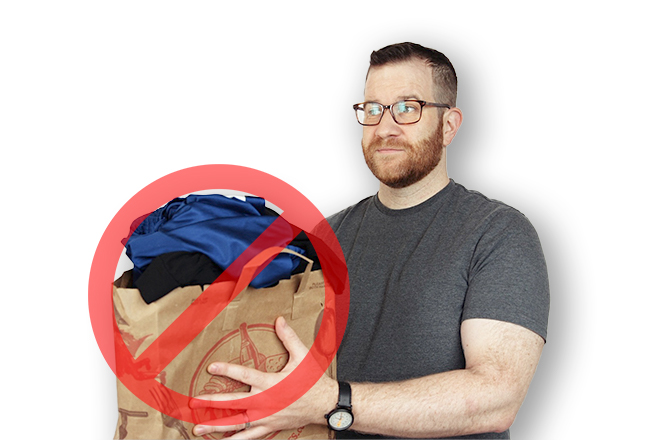
Why You Should Stop Donating Your Stuff (and Do This First)

Stop Donating And Do This Instead

Thanks to the minimalism movement sweeping the globe, many of us are getting rid of tons of stuff. In fact, donation centers are receiving more clothing and goods right now than ever before—and while that might seem like a good thing, it’s actually a problem. It’s a big enough problem that what we need is for people to stop donating.

It’s great to thoughtfully donate items in good condition based on what organizations can actually resell or use. But many centers are so overrun with stuff that realistically no one wants. They simply don’t have the human-power to process through everything, and many items end up in the landfill.

Here are the reasons why you should stop donating as the default.

Subscribe for the latest videos!

1 / Regain Monetary Value

There’s an obvious reason you should seriously consider selling things instead of donating or giving them away. Money, of course. It’s very likely that you spent money on the things you own, so why not recapture some of that value in the process of letting go? This can be especially helpful if you went through a heavy consumerist phase or are trying to pay down debt.

While it can be a lot of work selling off each item, getting some money back is positive and there are even more benefits to selling, as you’ll see down below.

2 / Sustainable Lifestyle Change Takes Effort Over Time

Truly shifting your lifestyle from a consumer-based to a more creator-based approach takes time and effort. It’s not something that happens overnight. If you bear the pain of going through and dealing with each item, you are more likely to change as a person and evolve through the decluttering process. Selling off your items one by one is a conscious act and reminder to be more intentional with future items you bring into your life.

Dropping a bunch of things off at the donation center really just makes your clutter someone else’s problem. Julie Kearns, season two podcast guest, and advocate for conscious consumption, shares the importance of being a responsible owner of the full product lifecycle—from beginning to end.

Over the past several years, and especially the two months before our big move, Amy and I sold a lot of our furniture and items. Individually dealing with the items worth selling definitely helped reinforce more intentional buying behavior going forward.

3 / If You Can’t Sell It, Neither Can Someone Else

Another benefit of selling instead of donating an item is it’s an indication of whether it’s really something that ought to be donated. If no one wants to buy it from you, what are the chances that someone else will be able to sell it, including the donation center?

There are certain exceptions though, depending on where you live and local organizations around you. This is where doing some research and thoughtfully donating can be very beneficial. Animal shelters will often gladly take clean, used towels and blankets, among other household things. Homeless or transition shelters will often take toiletries, makeup, towels, books, and many other household items. Checking with local organizations is a great way to intentionally donate items you no longer need or want.

4 / Paying Increases Perceived Value + Product Lifecycle

When someone is specifically looking for your item and is willing to pay for it, they’ll appreciate the item more. The person also has a higher likelihood of using the item. This extends the product lifecycle of the item. It also results in a lower carbon footprint since the person didn’t buy a new item.

It’s also a great feeling knowing your unwanted or unused item is going to a motivated buyer. As we were selling off our things, it was reassuring to know that people had a need for those items.

5 / More Likely To Buy Used (Save Money, Reduce Consumption)

Another reason to stop donating is you’re more aware of how much value is lost once an item is no longer new. You start realizing the value of buying used. The most sustainable item is the one that already exists. Not only is it much more environmentally friendly, but many used items are also just as good, if not better than new. Older items sometimes are composed of better materials and thus, last longer.

Before leaving Minneapolis, I bought this awesome electric guitar from my friend Adam. I researched amps to play the guitar through and discovered they were $600 new. Searching on Craigslist, I found the exact amp for $300 instead. It was actually better than buying new since older, mechanical amps have a soulful sound that the new ones just don’t have.

It can be a wonderful thing to donate items in good condition, that are usable, needed, or easily resellable. But it’s time for us to take more ownership of the full product life cycle.

Simply collecting items and donating them just transfers the problem from your home to another location. For the record, I think donating usable, practical things, or giving things to people that need them is wonderful. Still donate things. Just don’t default to it.

Selling items gives you money back, reinforces a more intentional mentality, and is better for the environment. If you can’t sell it, there are other ways to thoughtfully declutter things from your life. For more ideas on what to do with your decluttered things, check out this intentional decluttering guide.

Stop Donating All Your Decluttered Stuff // Decluttering? Instead of automatically donating all your stuff, do this instead. // breakthetwitch.com

The post Why You Should Stop Donating Your Stuff (and Do This First) first appeared on Break the Twitch.

The post Why You Should Stop Donating Your Stuff (and Do This First) appeared first on Break the Twitch.
  •  

An Intentional Decluttering Guide

Decluttering Guide

With the rising popularity of minimalism, many of us are decluttering our possessions at an increased rate. It’s to the point where donation centers are running out of space and paying for additional storage or disposal costs.

The truth is, most donated items still end up in the landfill. 

Really, the biggest impact you can make is to be more intentional with the items you let into your life. Being a conscious consumer starts with the sourcing and production of the item. It continues with buying less, taking care of your things so they last longer and disposing of them responsibly when the time comes.

But how can we thoughtfully declutter the items we already have?

Subscribe for the latest videos!

If you’re wanting to thoughtfully declutter, here’s an intentional decluttering guide:

1 / Selling items worthwhile to sell

There are many reasons to stop donating and sell your items first. The obvious one is to make some money back, but it also leads to a more intentional mindset and sustainable product cycle.

It comes with some extra work. Work such as taking pictures and measurements, listing the item, to negotiating and coordinating with potential buyers. It could also be visiting consignment and resale shops to see what they’re willing to take and what they’re willing to pay.

We see the extra work as a good thing though. If you bear the pain of dealing with each item, you are more likely to evolve throughout the decluttering process. Selling off your items one by one is a conscious act and reminder to be more intentional with future items you bring into your life.

Selling isn’t always worth your time for certain items—depending on your schedule and what a worthwhile dollar amount is for you. But selling whatever items you’re able to gives you money back, reinforces a more intentional lifestyle and is better for the environment.

It can take awhile to sell certain things like furniture or a specialty item, so give yourself at least a couple weeks to a few months. The best situation is to be in no hurry to sell. That way, you have the ability to wait around for a good offer from someone or for the right person to come across your listing. Coming soon, we’ll share a post on selling tips and the best places to sell certain items.

2 / Swapping with or giving to friends and neighbors

Another excellent decluttering option is to check with your friends and neighbors. As Anthony and I were figuring out what to declutter and what to keep before the big move, we had in mind people who we thought could use certain items. Organizing a stuff swap can also be a great excuse to hang out with friends while minimizing—as long as you don’t come back with new-to-you items (but hey, it happens).

You can also post free items on sites like Nextdoor (a social network for your neighborhood), Facebook Marketplace or Craigslist. There are also organizations like The Freecycle Network in many cities around the world centered on giving and getting stuff for free. Leaving items by the driveway or on the front lawn with a sign marked “Free” may also result in a magical disappearing act. But if that doesn’t work, go on to the next decluttering option in this intentional decluttering guide.


Ready to take action with secret member-only content and community resources? Join Attention Collective, our online community of like-minded humans from around the world, and get full access immediately. See you inside!


3 / Donating useful items

One thing to consider before donating an item is whether or not it will actually be useful to the donation center or organization. If you can’t sell it or give it away to someone who wants it, what are the chances the donation center can?

Less than 20% of all donated clothing actually gets worn by someone else. Most organizations don’t have enough manpower to sort through all donations—much less fix up dirty, damaged or broken clothing, furniture or appliances. Unuseful donations end up costing the organizations money and contributing to landfills across the world.

Depending on the local organizations near you, donating thoughtfully is a great way to declutter things you no longer need or want. Many organizations—donation centers, thrift stores, homeless shelters, schools, educational or arts programs, nursing homes, to animal shelters—have a list of items they actually want and need.

For example, animal shelters are usually in need of used towels, blankets, cleaning supplies, among other household things. Homeless or transition shelters will often take food pantry items, toiletries, clothing and many other household items. Depending on where you live, there may be nonprofits that specialize in recycling electronics, creative materials reuse or distributing used art supplies and books. Many cities have a donation, recycling and disposal resource list on their website. Checking online or calling to ask what donations will be helpful is a win-win for you, those organizations and the earth.

4 / Responsibly disposing of everything else

Before tossing an item away, consider if the item can be reused for another purpose. For example, worn cloth materials (that can’t be recycled) can be used for cleaning rags or an old shower liner can be used as a tarp. If you’re not able to sell, give, donate or reuse, the last option is to responsibly dispose of the item.

Composting is the best option for disposal.

Expired food, most food scraps, pizza boxes, cardboard egg cartons, used paper napkins, coffee grounds, tea bags or cotton swabs—these items can usually be composted if your city has a municipal composting program. If you maintain a backyard compost, you’ll mainly be composting veggie and fruit food scraps and perhaps these other items.

If you can recycle the item, that’s the next best option.

There are many items that often end up in the city recycling, but really shouldn’t be there. Pizza boxes (grease from the pizza is a no-no), used coffee cups (there’s an inside layer of wax), plastic bags (needs a specialized facility) and paper towels (too fragile and often mixed with food particles) are common culprits. Checking with your city’s recycling guidelines will help you recycle more responsibly.

Things like old shoes and socks, carpets and rugs, broken appliances, computers, eyeglasses, and CDs can usually be recycled. You can recycle worn clothing and other materials at municipal or textile recycling centers. Big companies like Best Buy will take broken electronics and household appliances like vacuums, hair dryers and fans. Many nationwide grocery stores like Trader Joe’s will recycle plastic bags. When we lived in our home in Minneapolis, we had neighbors who would take items to sell as scrap metal.

The last decluttering guide option is the trash.

Many items end up in the trash that shouldn’t be there. Things like batteries, light bulbs, paint cans, and cleaning supplies are hazardous for the environment when simply thrown in the trash. Most places have waste centers for these hazardous materials, so check on the waste guidelines for where you live.

So there you have it, decluttering options ordered from most preferable to least in this intentional decluttering guide. If you have additional ideas on how to intentionally declutter, I’d love to hear them.

The biggest positive impact you can make is to consume, buy and accumulate intentionally going forward.

Consuming less, buying ethically and sustainably, and making things last longer. These are all ways we can lessen the clutter and the need to declutter in the first place.

As part of our intentional living journey, Anthony and I are learning more about zero waste practices. Zero waste can take some getting used to, and we’re not perfect in our efforts. But we’re trying our best and figuring out what works for us.

And that’s the message we’d like to leave you with. Hopefully this decluttering guide has given you more ideas on how to intentionally declutter. But know also that you’re not going to be perfect and that’s okay. We aren’t either. There’s no such thing as perfect. What we need is more people trying their best to be better stewards of the full product lifecycle.

Intentional Decluttering Guide // Not sure what to do with your decluttered items? Check out this intentional decluttering guide for ideas. // breakthetwitch.com

The post An Intentional Decluttering Guide first appeared on Break the Twitch.

The post An Intentional Decluttering Guide appeared first on Break the Twitch.

  •  

Designing Your Life Based On Intentional Living Values

intentional living values

When I first started Break the Twitch, I was very focused on the idea of aligning vision with values.

What that involved was taking a hard look at what a typical day in your current life looks like and then dreaming up a vision for what your ideal day would be. When you overlay the two, you’d then see what matched up and what didn’t.

Fundamentally, this approach works well because as Annie Dillard says, “How we spend our days is, of course, how we spend our lives.”

If the small ways we show up each day align with the vision of the life we want, we’re much more likely to look back on a life encompassing our vision over the years.

While researching core values, I came up with a new approach that provides a fresh perspective and greater clarity on where things stand. More importantly, this method will help you understand what kinds of things don’t align well with your actual values.

The exercise is simple and has a few steps, but the actual work is in the mental processing of thinking through it—in perhaps a 30 minute timeframe if done thoroughly. I promise the results will be worth the time you spend.

Subscribe for the latest videos!

Here’s how to walk through this intentional living values exercise.

1 / Identify your most important core values

For this exercise especially, I’d recommend choosing five core values from this curated personal values list. As you look through the list, make sure to pick the five that you feel most reflects your current values. It’s easy to want to choose aspirational values but focus on selecting the ones that most reflect where you are right now.

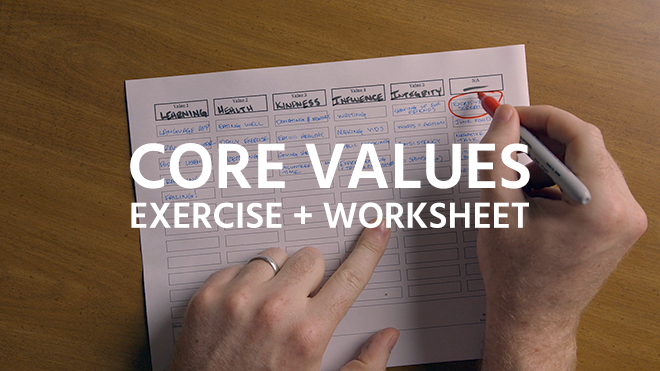
2 / Create your intentional living values worksheet

Turn your paper landscape-wise, so it’s wider than it is tall. List each value horizontally across the top of a piece of paper, and make one final column at the very end for “N/A” which should leave you with six headings across the paper. The top of your sheet might look something like this:

Learning – Health – Kindness – Influence – Integrity – N/A

Feel free to use this downloadable PDF template to print use for this exercise.

3 / Fill out your day to day activities

Think through a typical week and every single activity that you do on a somewhat regular basis. This part might take some more mental bandwidth, so give it some time. You can close your eyes and walk through your day and list different items as you go. Put each item that you come up within your matrix underneath the particular value that it reflects.

For me, I might put things like, “Making YouTube Videos” under Influence. “Daily Reading” would likely go under my value of Learning. So on, and so forth.

“Picking Up Kids From School” could go under your Stability category, or perhaps Generosity, depending on the day (hah). There are many cases where something you do would fall under multiple values, and that’s wonderful! Put the activity under each value that applies, and make sure to circle or highlight any that show up multiple times.

4 / Fill in the N/A category as applicable

Here’s the kicker: there are likely going to be activities that don’t fall under any particular core value, which is why the N/A category exists. For me, these are things that usually fall into Twitch territory—phone checks, extended social media scrolling, news reading, etc.

More important things may land in that category, as well. While you might not categorize your entire job into any particular value, try to break down the different things you do at work into values that might fit. It’s essential to see both the macro and micro aspects of each activity in your life. If you can put aspects of “Work” into a single or multiple value categories, then you’re well on your way in living a life aligned with your values.

5 / Make small changes towards your intentional living values

Once you’ve taken a good look at your worksheet, find one of the smallest things in your N/A list and commit to making a change. Perhaps it’s setting a time limit for phone use each day, deleting a social media app, or cooking at home one additional day per week.

Don’t try to tackle anything massive at first. If something like “my entire job” falls into the N/A category, perhaps you can start exploring a career change. But maybe don’t walk into your job and quit tomorrow (that is, unless you’ve had a massive revelation and it’s time for a major change). Remember, the most reliable and sustainable lifestyle change is smaller, for longer. Every wall is built one brick at a time, and intentional living based on your values works in the same way.

Leave a comment if you work through this exercise and learn something new about yourself! Often, taking a broad top-down look at our lives in this way can create some pretty exciting epiphanies.

Designing Your Life Based On Intentional Living Values // I share how to design an intentional life based on your core values in this exercise and worksheet. // breakthetwitch.com

The post Designing Your Life Based On Intentional Living Values first appeared on Break the Twitch.

The post Designing Your Life Based On Intentional Living Values appeared first on Break the Twitch.
  •  
❌