❌

Reading view

Henness Ridge L.O.

Location.

Yosemite National Park

Status.

Abandoned; Currently standing

Estimated drive time from Portland, OR.

16 hours

Date visited.

September 24, 2024

Elevation.

6,339′

National Historic Lookout Register.

US 281; CA 15

Trip Report.

Our fourth day in the park was spent exploring off the Glacier Point road. We decided to do the hike from McGurk Meadows to Dewey Point in an attempt to avoid the crowds. This ended up being a great option as we arrived to an empty trailhead and only saw a handful of people on trail (most were on our way back to the car). It also offered lovely views through forest and meadows before opening up to the valley below. We spent a long lunch enjoying the view and even spotted one of the helicopters in action responding to a fire before hiking out (more than likely deployed from Crane Flat). Strava calculated this at 8.82 miles RT with 1,461′ of elevation gain. We still made the drive out to the end of the road afterwards to see the classic view points, but were quickly driven away by the crowds.
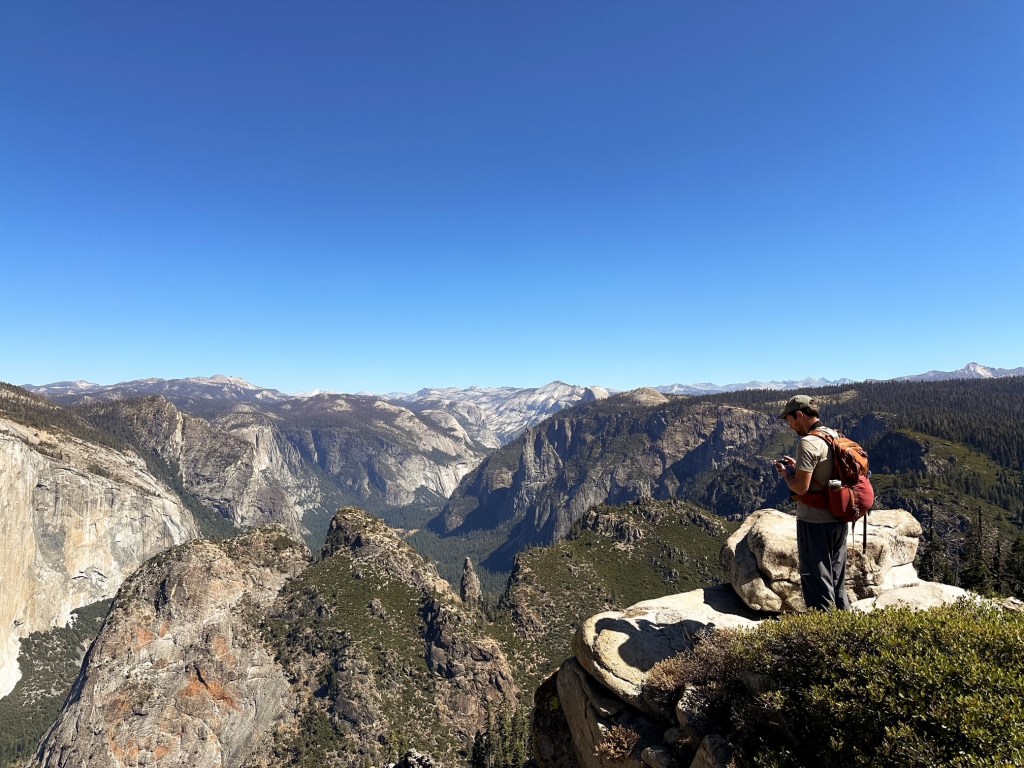
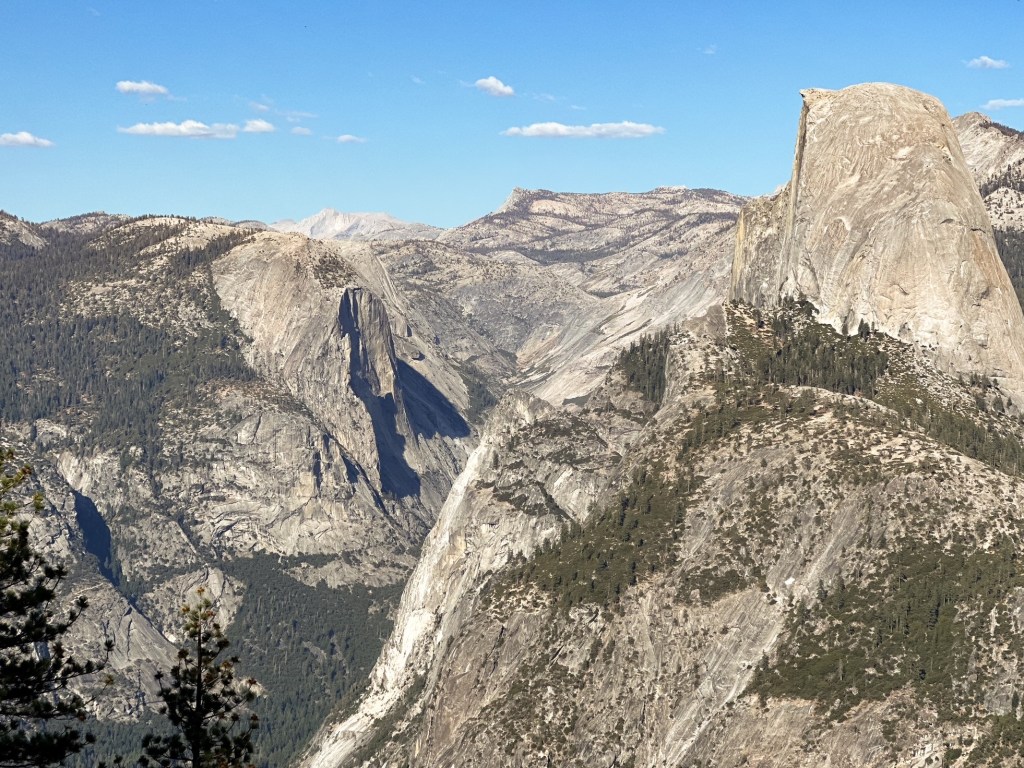
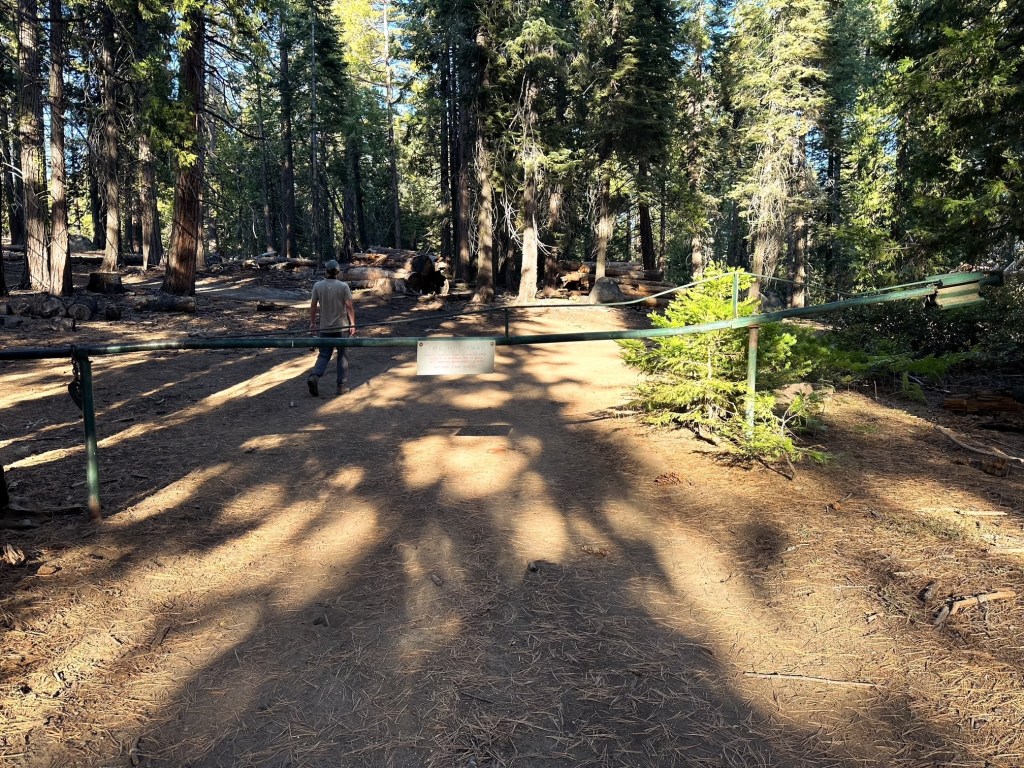
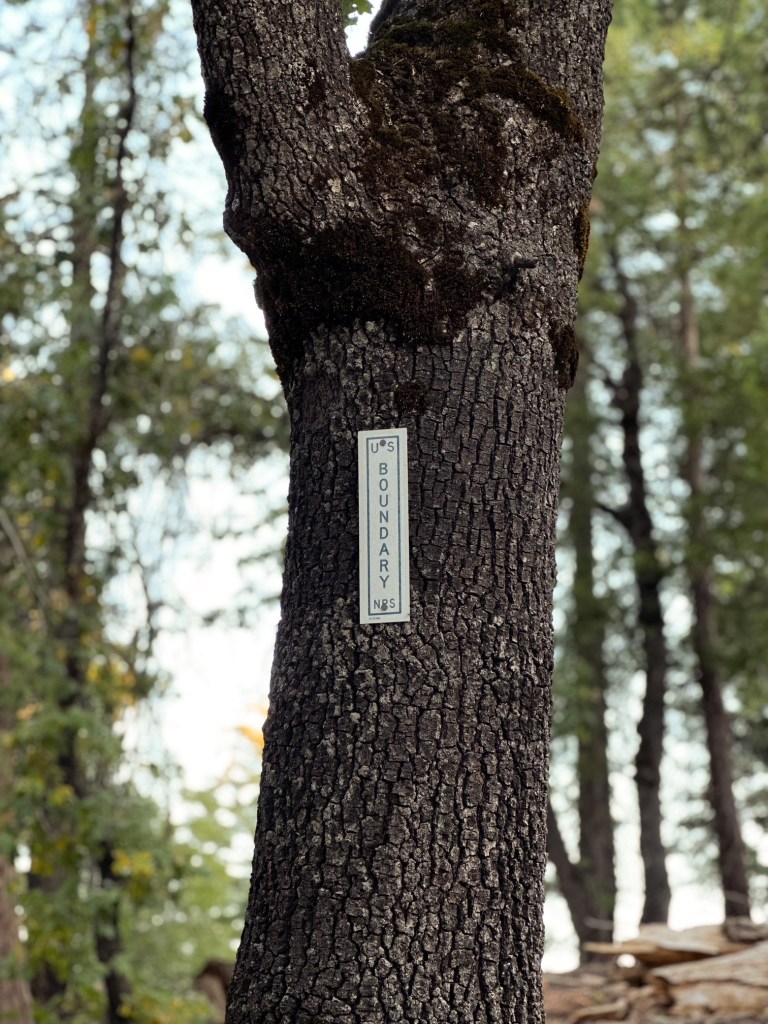
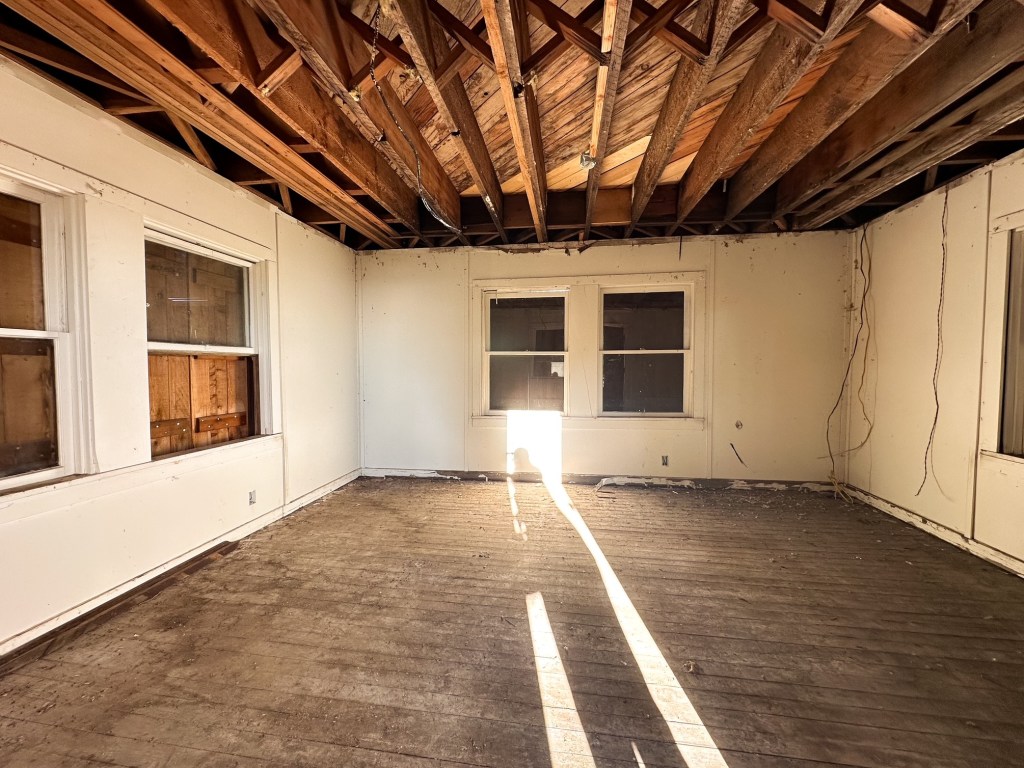
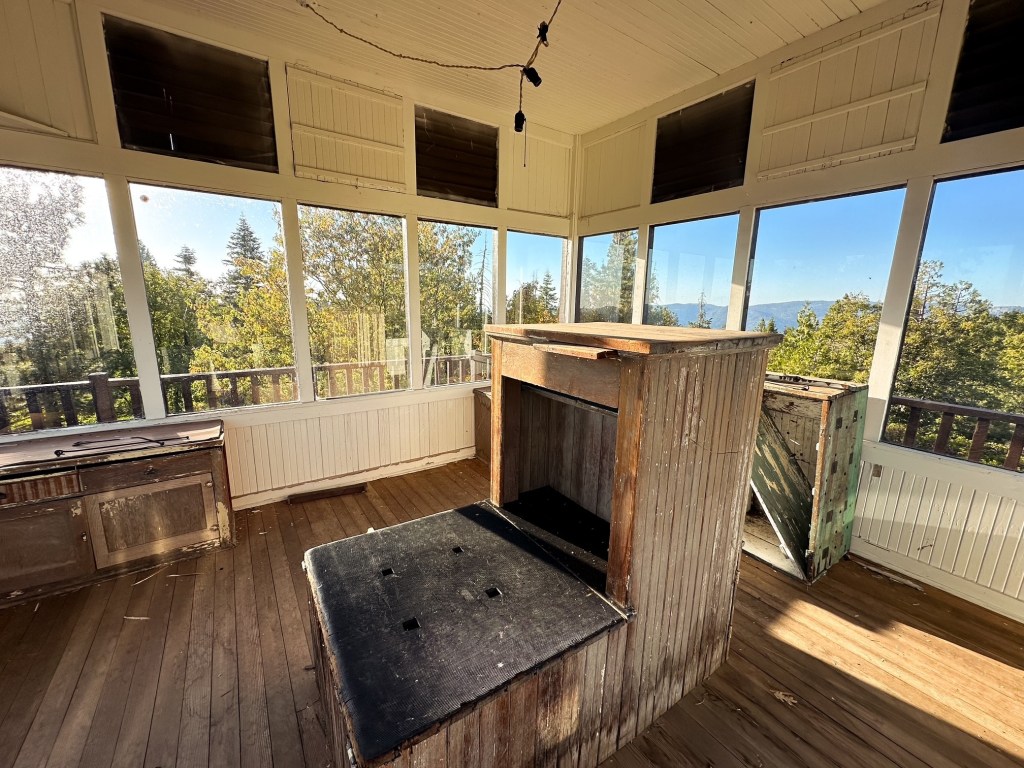
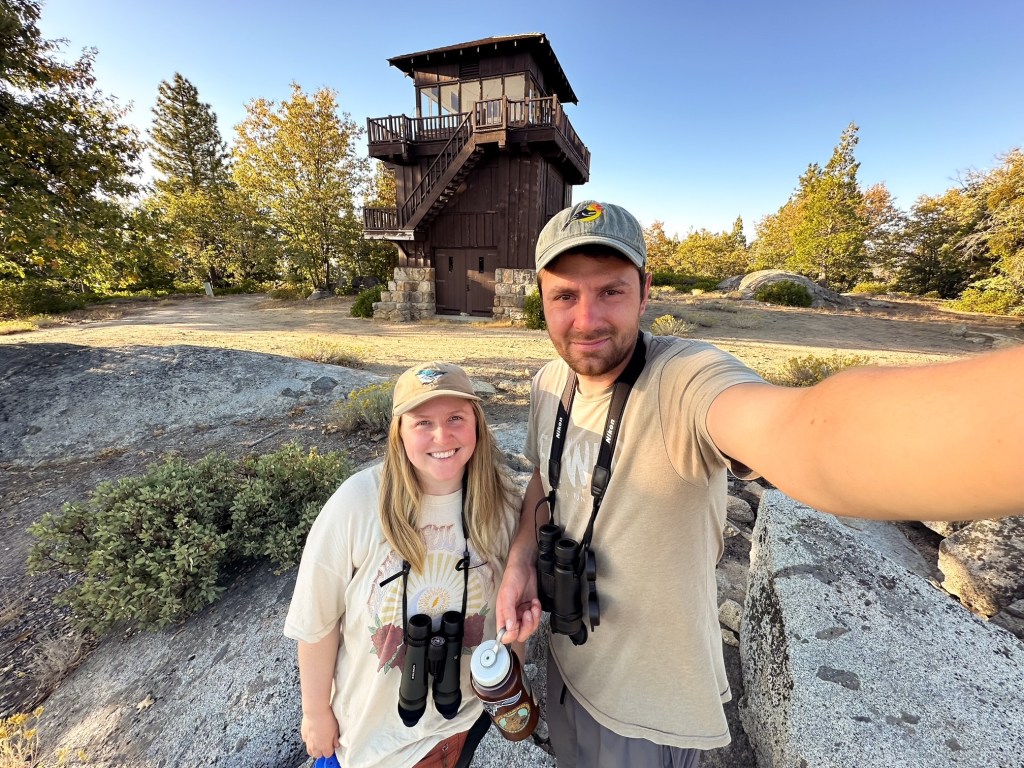
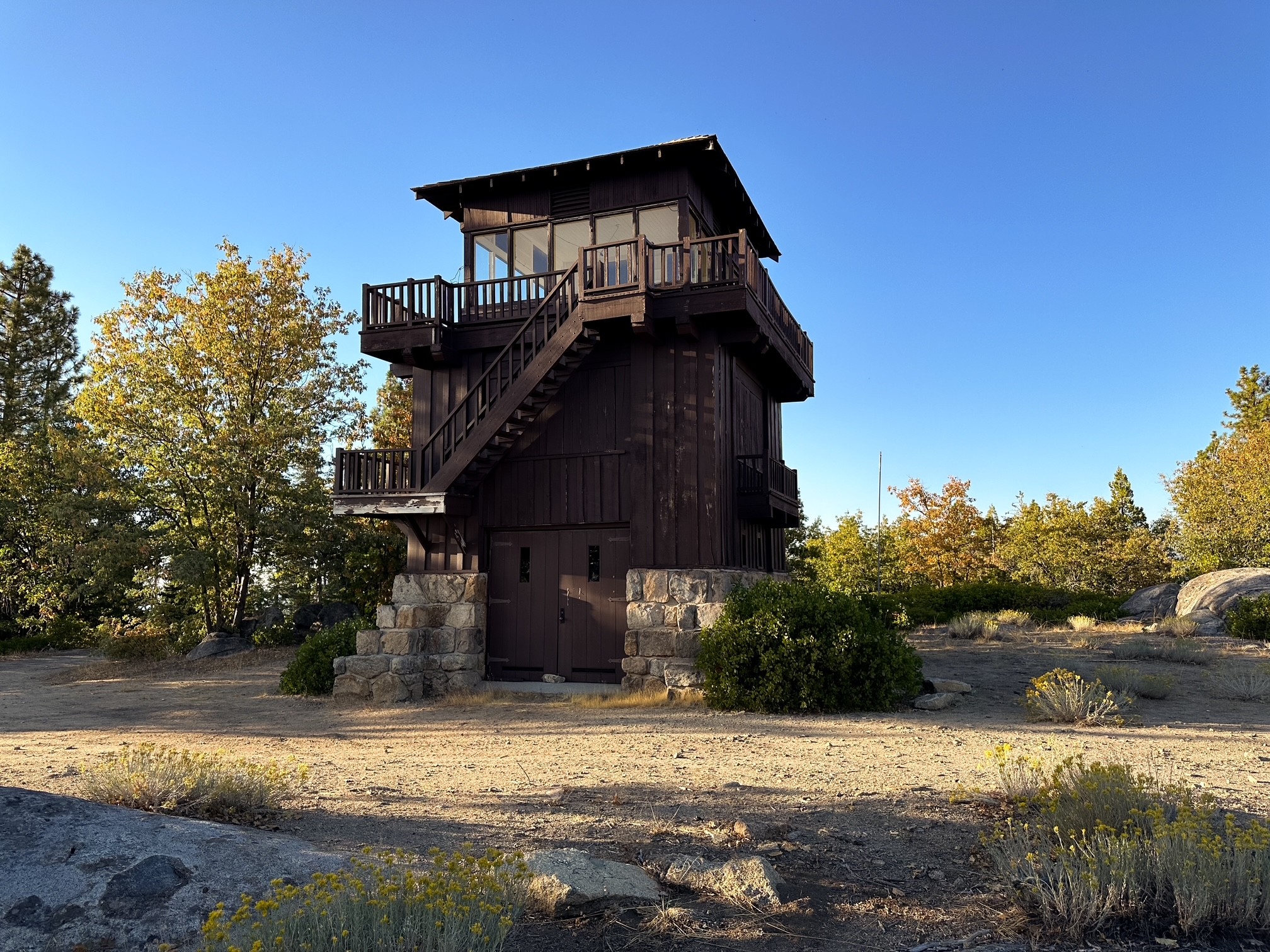
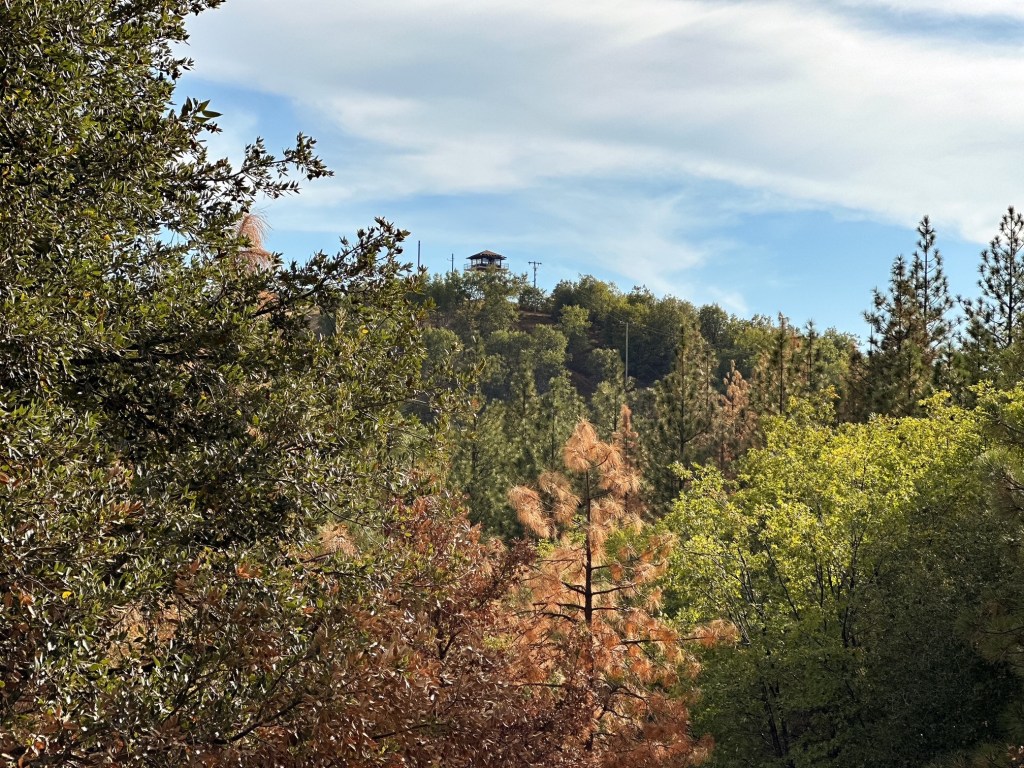
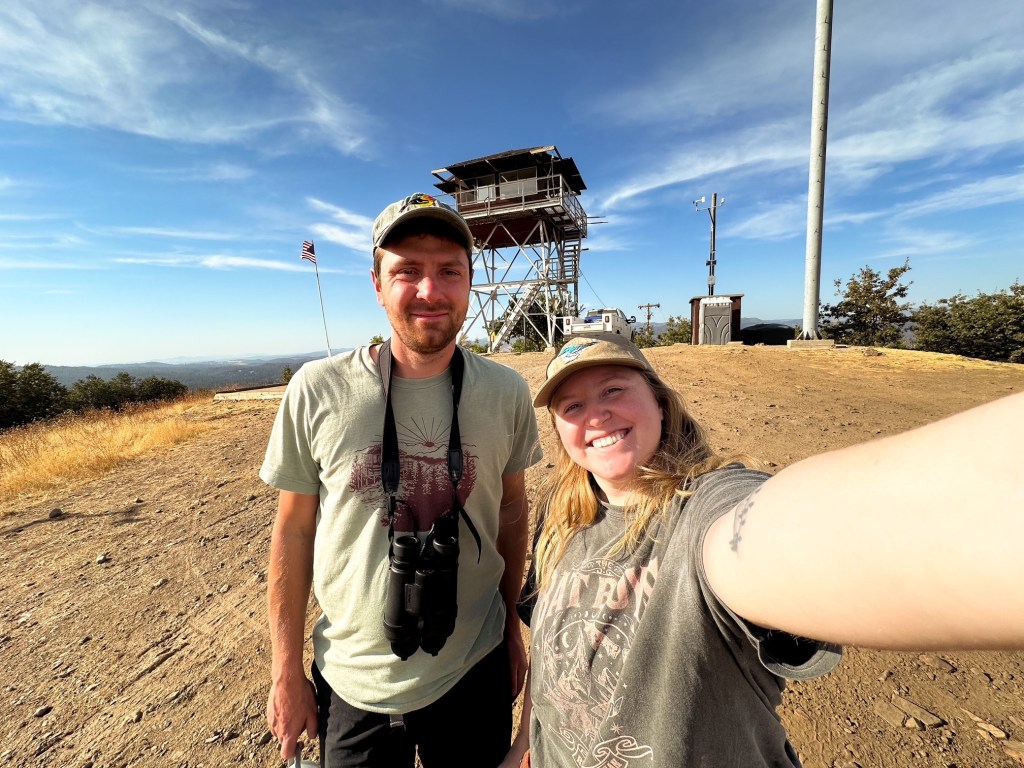
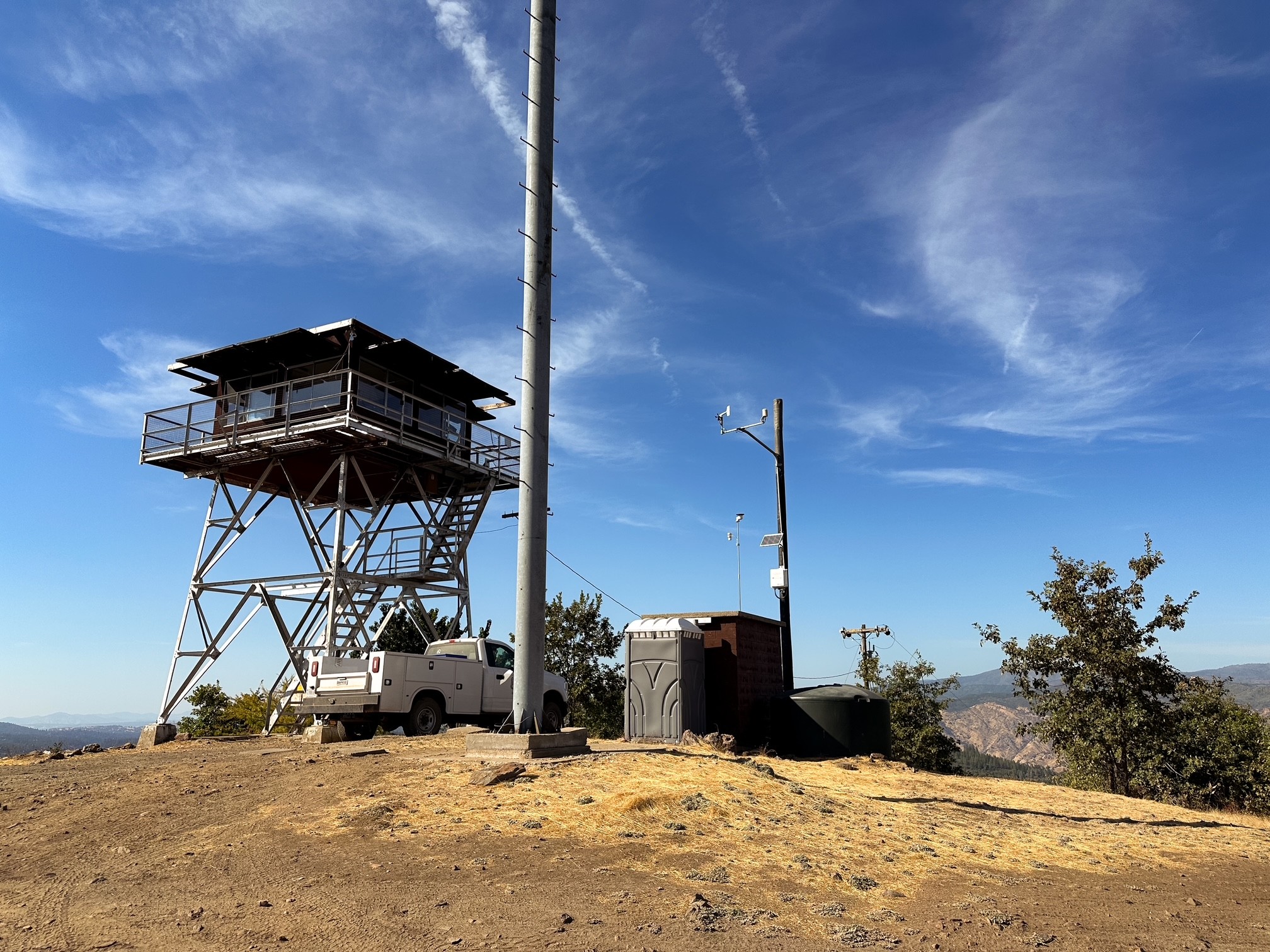
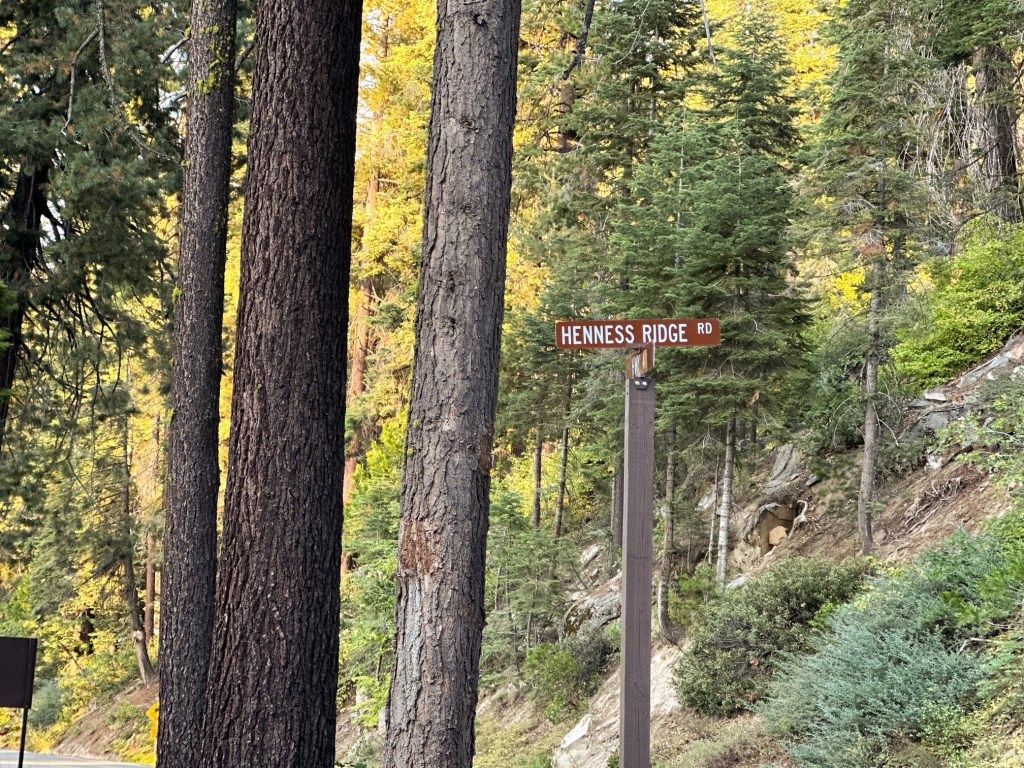
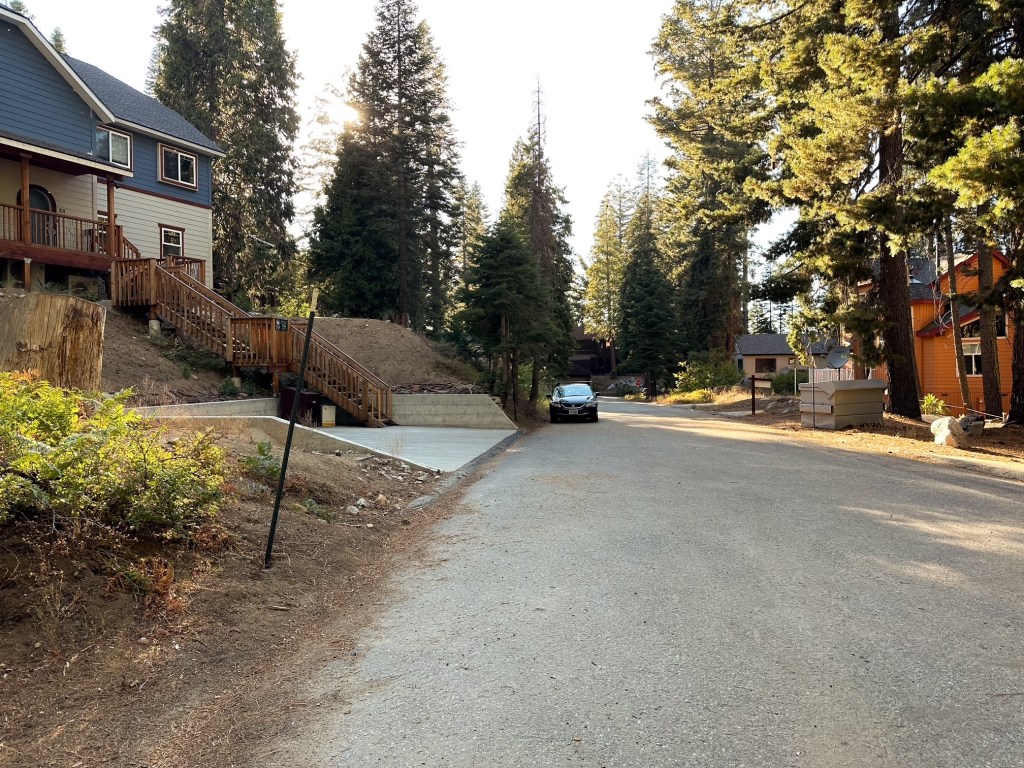
Our last stop of the day was Henness Ridge given its proximity to the Glacier Point road. Once we returned to Wawona Road we turned south instead of heading back the way we came from camp. The Henness Ridge road is the next turn off to the right after the Glacier Point road. This is a residential area now so be respectful of those that are here. Once on the Henness Ridge road you will follow it to the first fork where you will turn left onto Henness Ridge Circle. We made the mistake of bearing right at first and ended up deep in a neighborhood with no lookout in sight. Eventually we realized our mistake and back tracked to the correct road. From Henness Circle keep left at the T-junction and take another left until you reach the dead end of Azalea Lane. There is a gate at the end where the road turns to dirt. This is also a residential road, so make sure to park where you are not blocking a drive way or access to someones house. It felt like an after thought and that we should not be there, but the area behind the gate is technically a part of the park and the Henness Ridge lookout is technically a standing exhibit for those to visit.
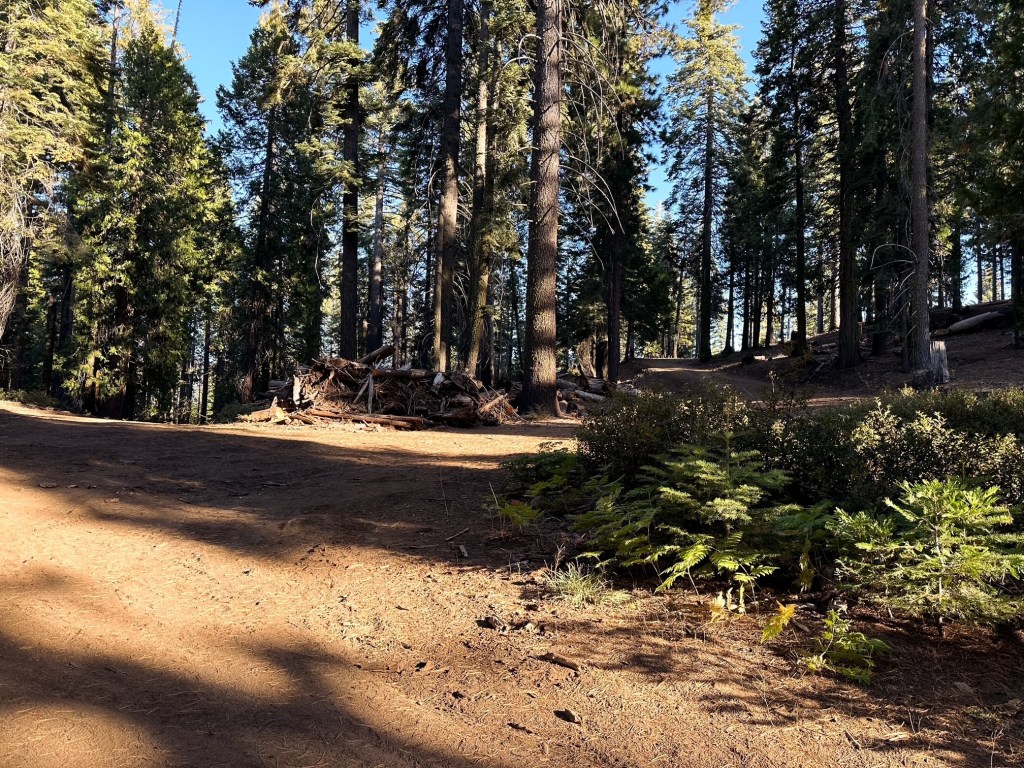
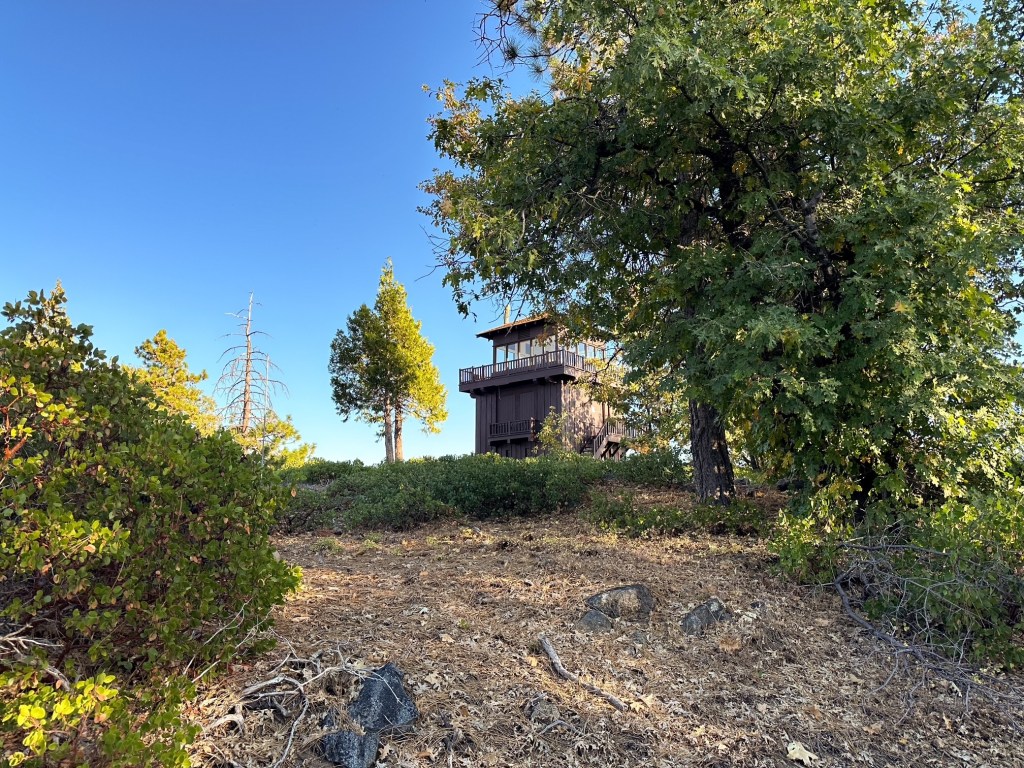
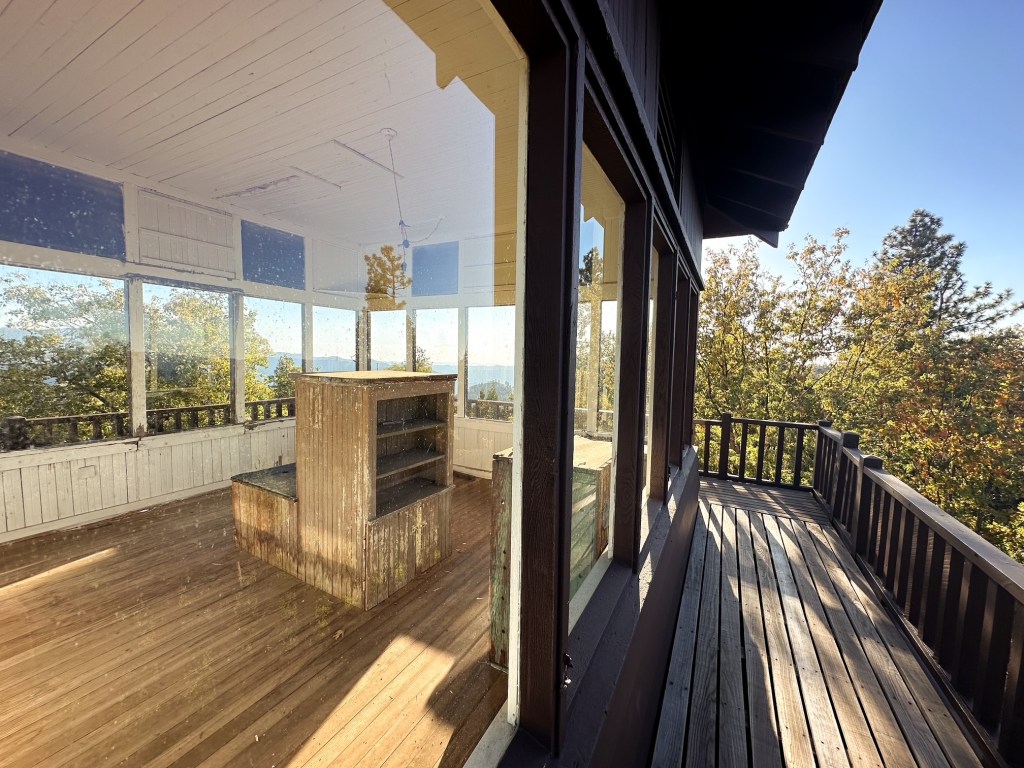
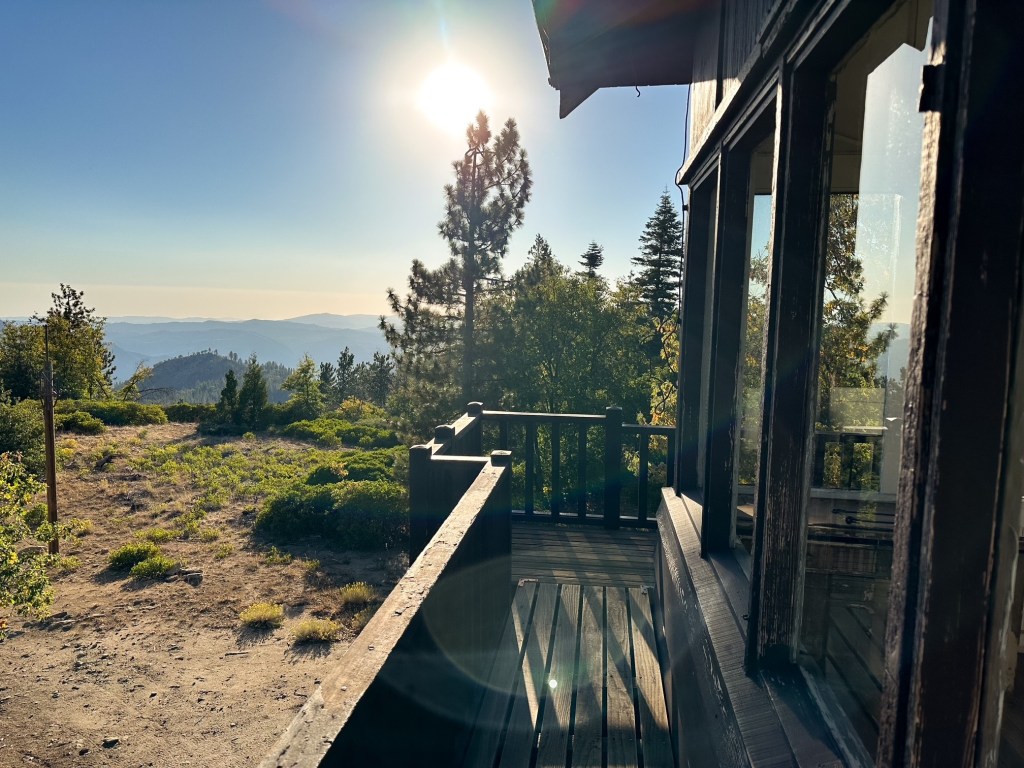
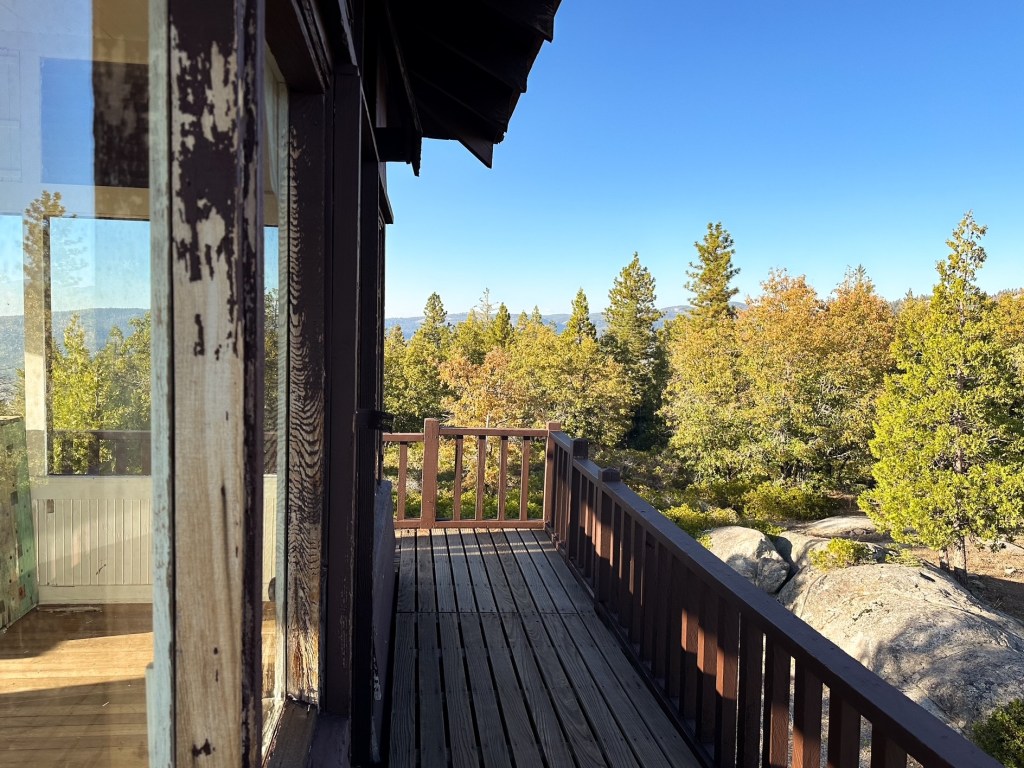
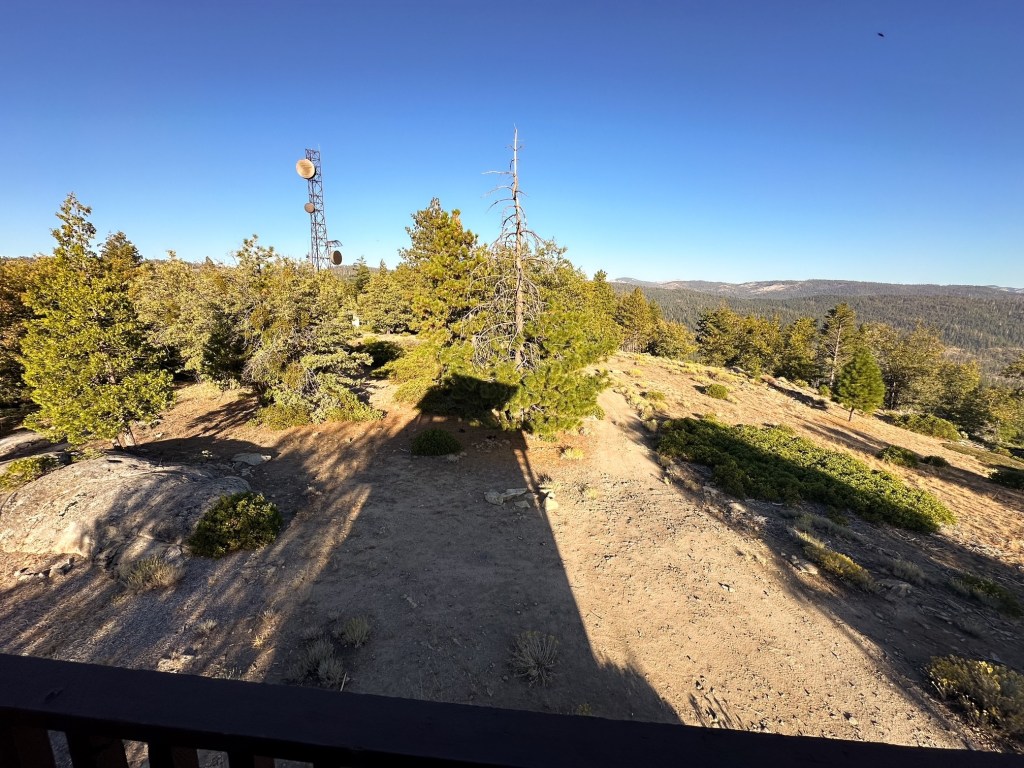
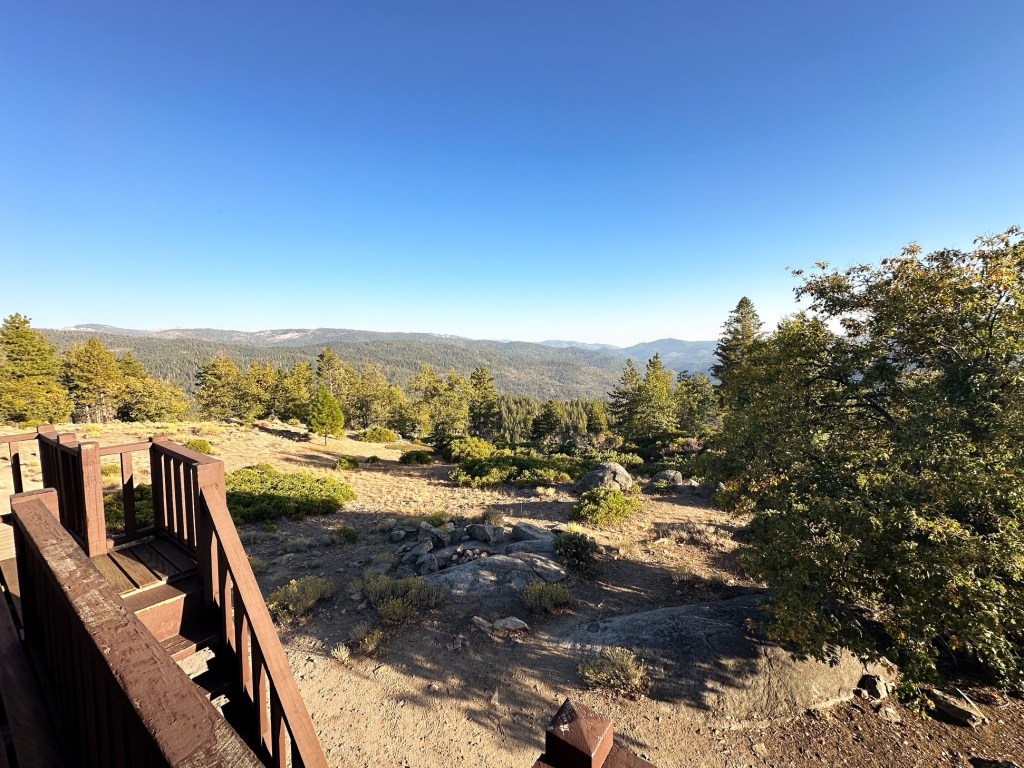
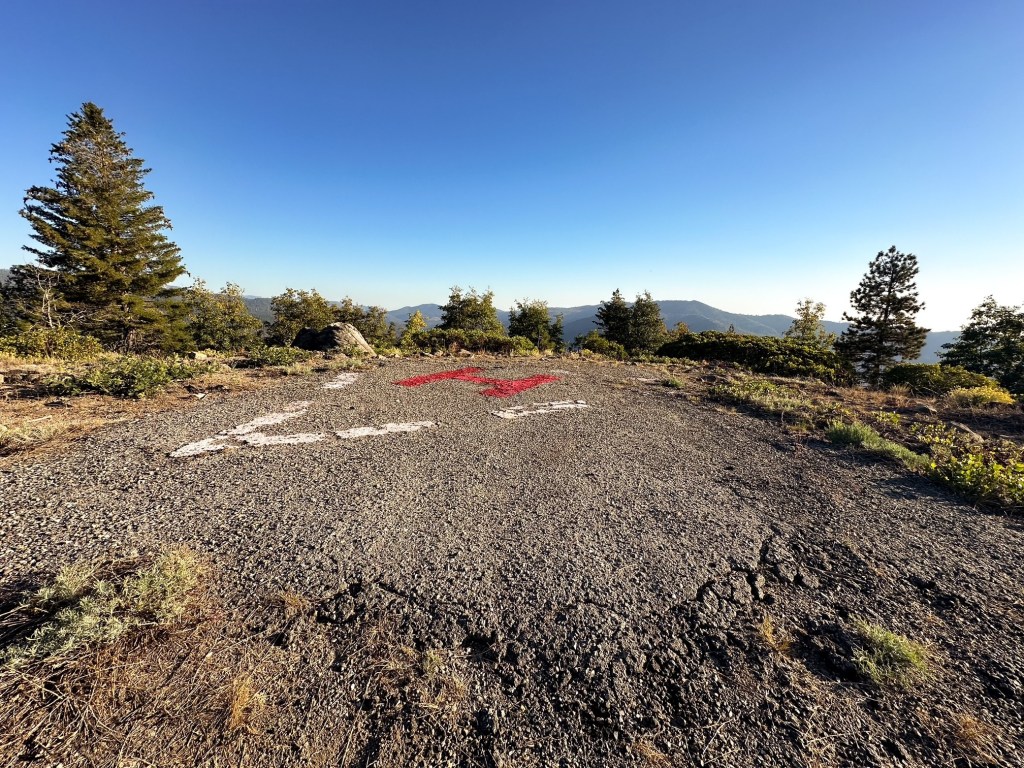
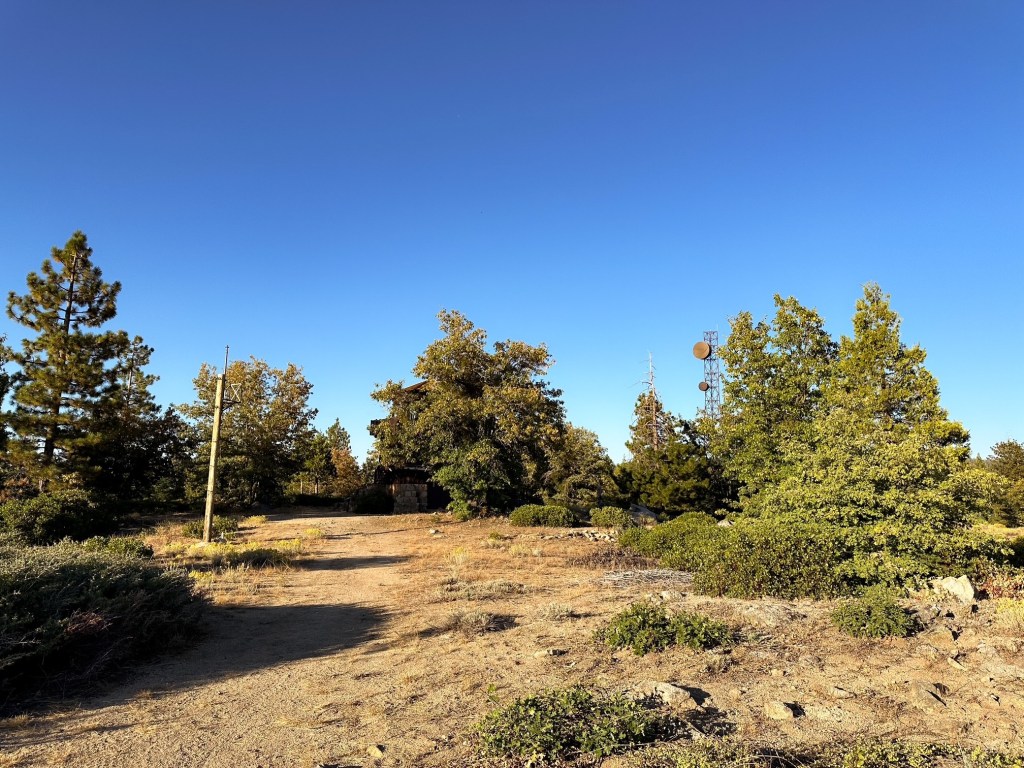
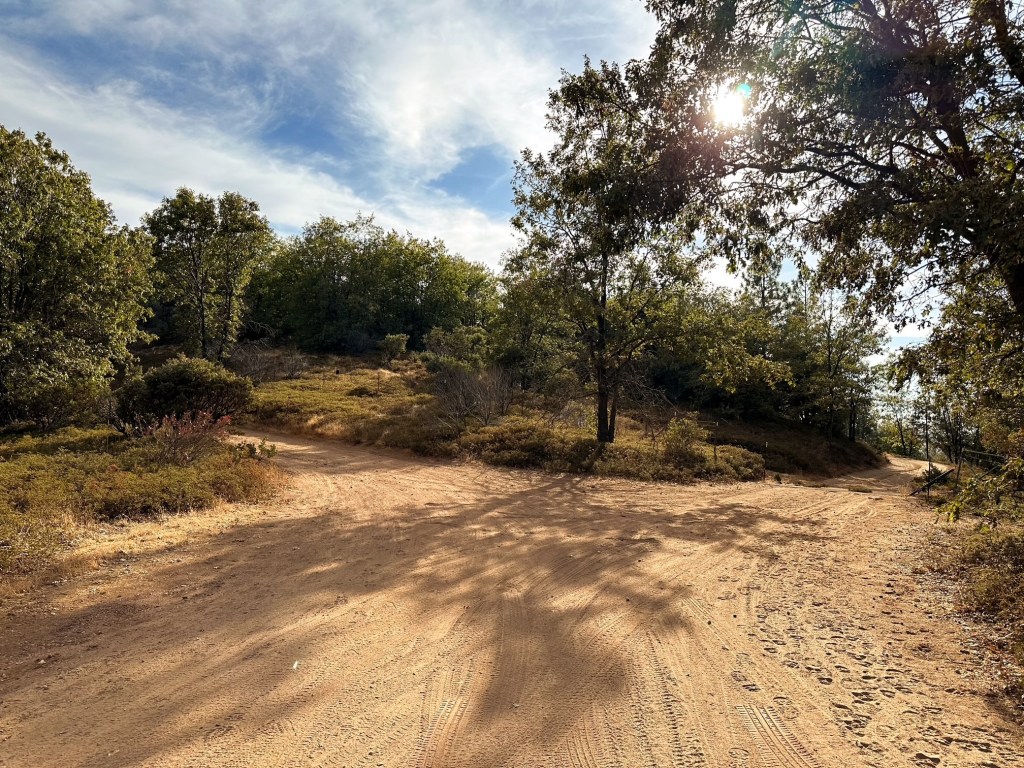
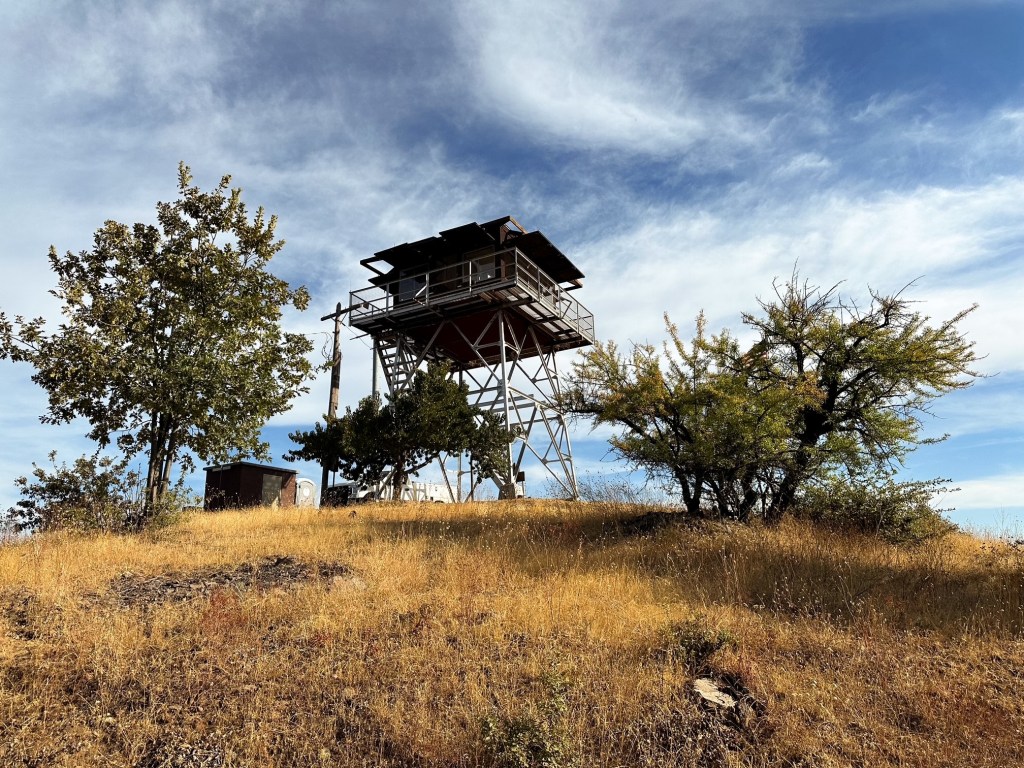
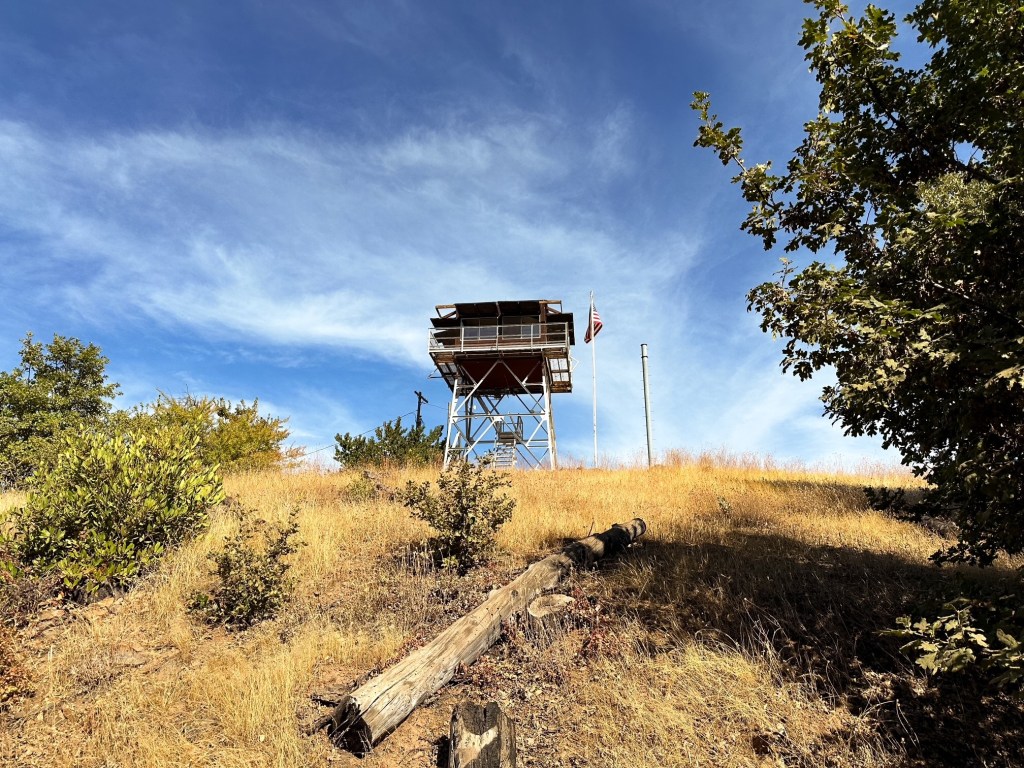
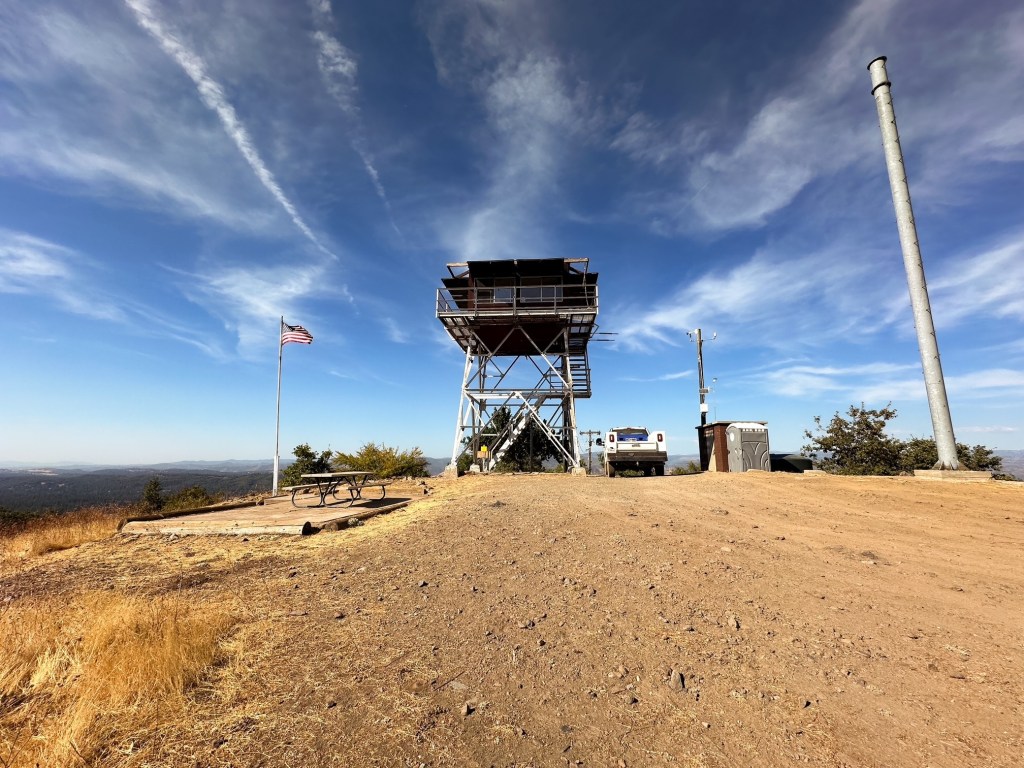
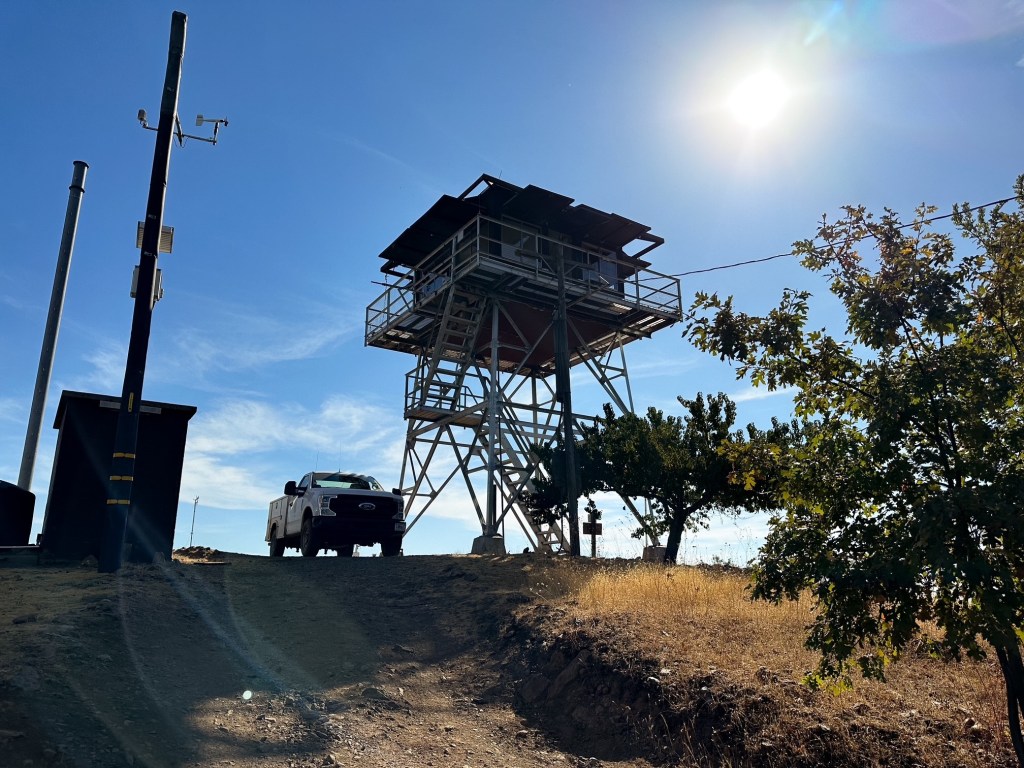
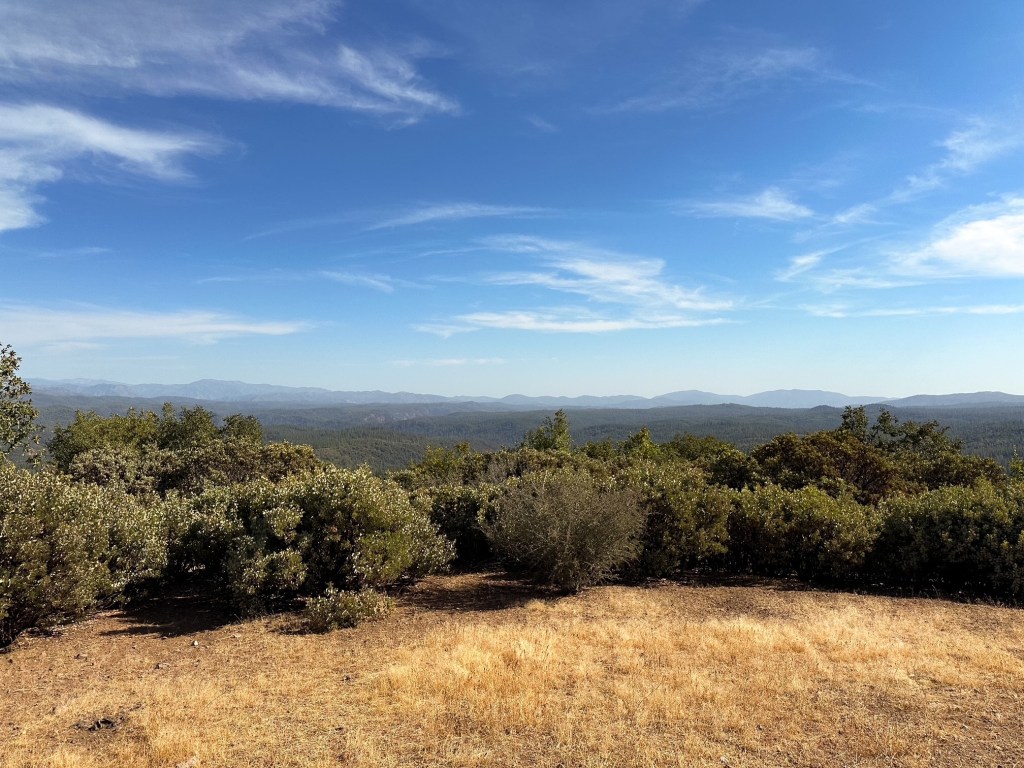
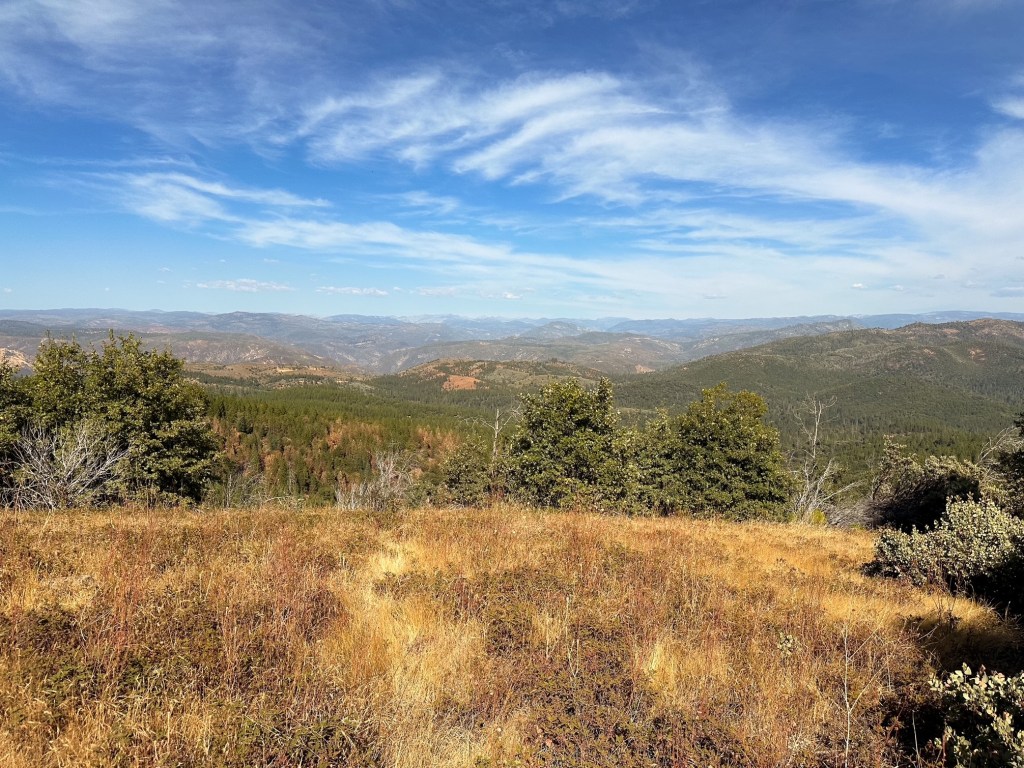
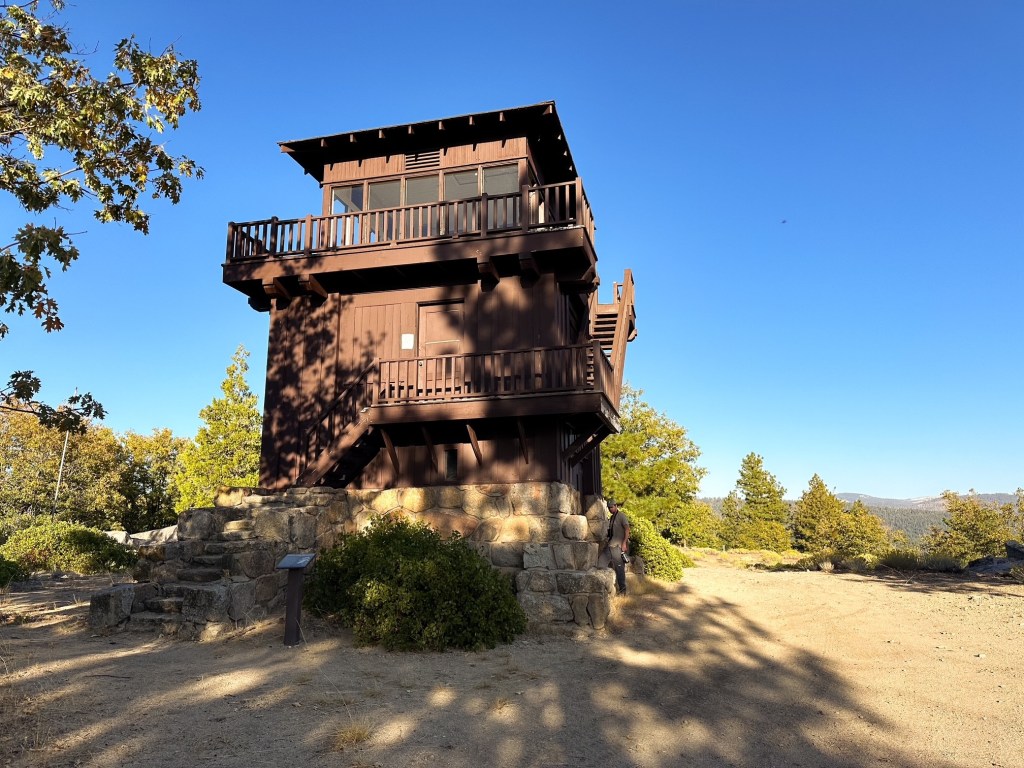
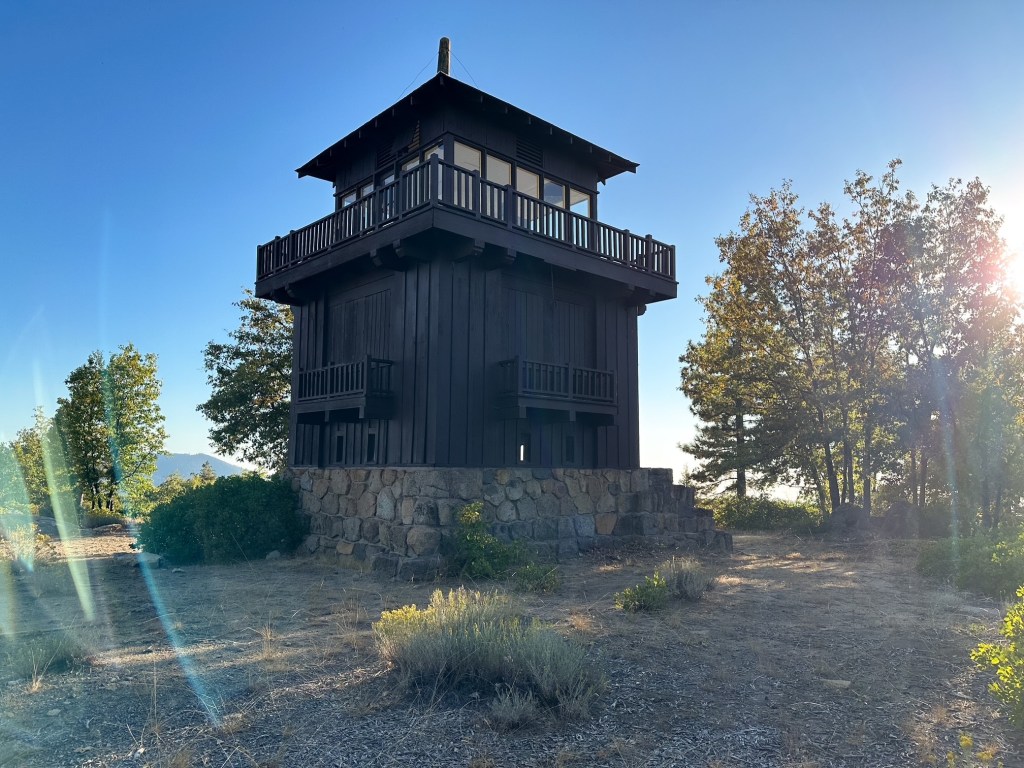
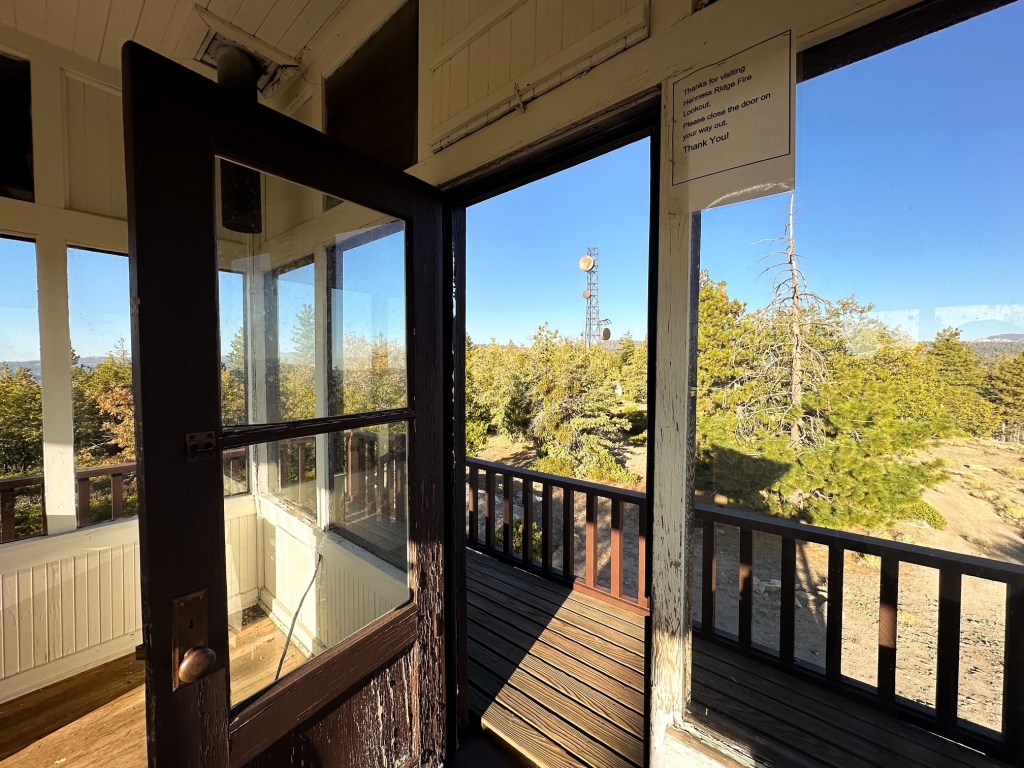
We started our hike from behind the gate and took the first dirt road leading right. It was not clear which road at the four way junction was correct, but when in doubt head for the road leading up. This road passed two large water tanks and skirted the edge behind the properties to climb the last bit of the ridge. It’s a fairly short walk and the summit opens up once you come around the last corner. The road continues farther to provide access to a communication tower. The ridge itself is wide and flat with limited views, but the lookout structure is interesting. You don’t typically see 3-story fire lookouts in National Parks. This pocket of the park felt very tucked away and forgotten. We didn’t stay long due to limited daylight and the additional drive time back to camp. Strava calculated this at 1.76 miles RT with 174′ of elevation gain.
History.

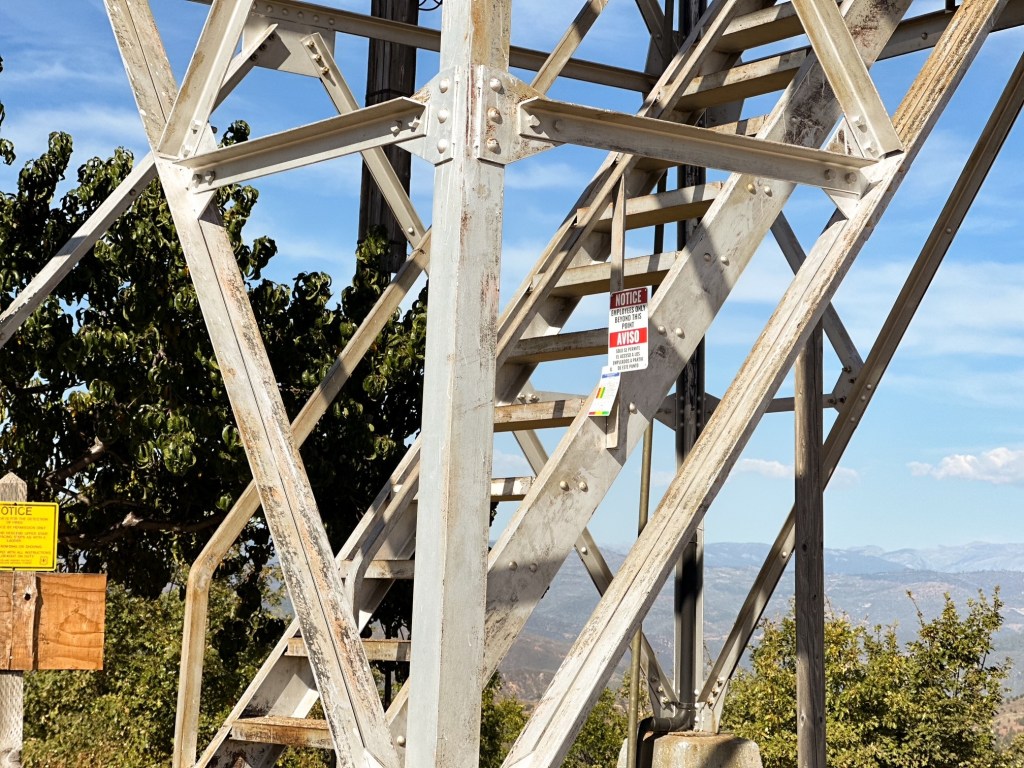
Henness Ridge was the second fire lookout built in Yosemite National Park by the CCC in 1934. It is a 3-story rustic National Park style lookout with a 13’x13′ cab and catwalk on top. The first level was used for garage and storage while the second level was the living quarters. The site was actively staffed into the 1980s. Some note it for possible emergency use by the park, but I believe it stands more as an exhibit to what once was here.

  •  

Smith Peak L.O.

Location.

Stanislaus National Forest

Status.

Active; Currently standing

Estimated drive time from Portland, OR.

14 hours

Date visited.

September 23, 2024

Elevation.

3,878′

National Historic Lookout Register.

US 1188; CA 119

Trip Report.

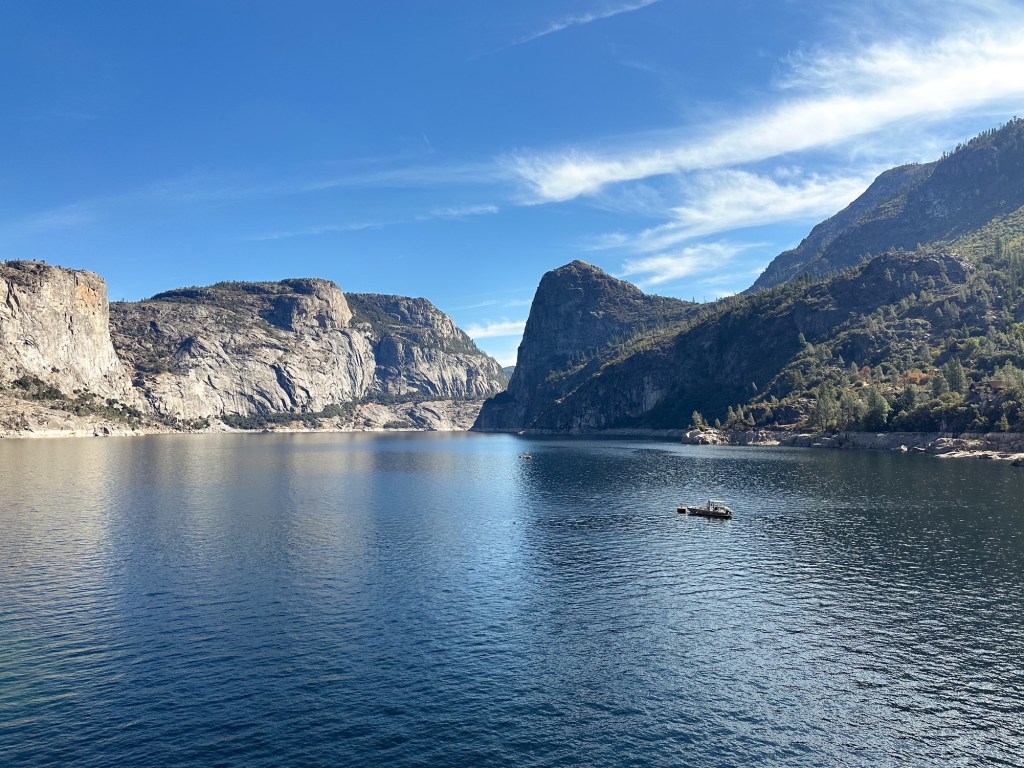
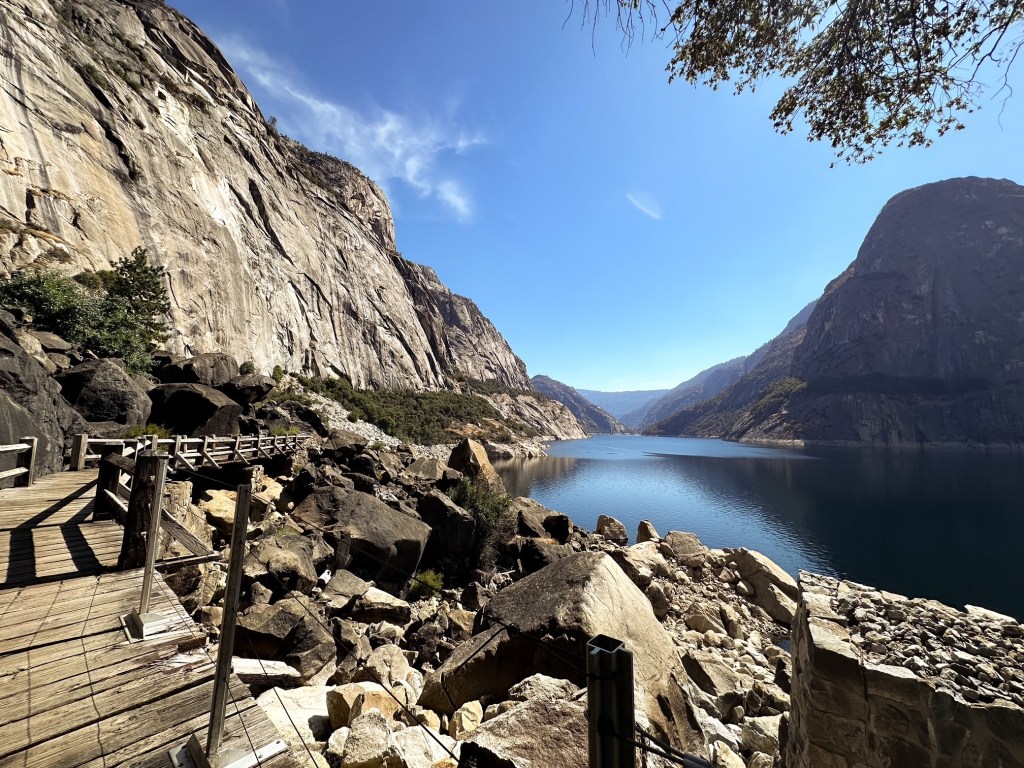
I had planned our trip to have a day to explore most sections of the national park to see as much as possible in our limited time. Our third day was designated to exploring the Hetch Hetchy reservoir. If we had time we would make a side trip to Smith Peak lookout on our drive back to camp. This area of the park is located in the north western corner. It required leaving and re-entering the park, so it set us up well to visiting a fire lookout just outside the boundaries. The access to the Hetch Hetchy area is off a steep and narrow road with limited trail options. It seemed like most trails were utilized for access to longer backpacking routes. I settled on sticking to the classic hike along the reservoir to Tueeulala and Wapama falls. The biggest downside to visiting Yosemite this late in the season was most of these waterfalls were dry. The trail follows an old railroad cut that is relatively flat, but offers little reprieve from the sun. Despite Strava only calculating this hike at 4.80 miles with 585′ of elevation gain the heat made it challenging. Our energy was tapped by the time we made it back to the car.

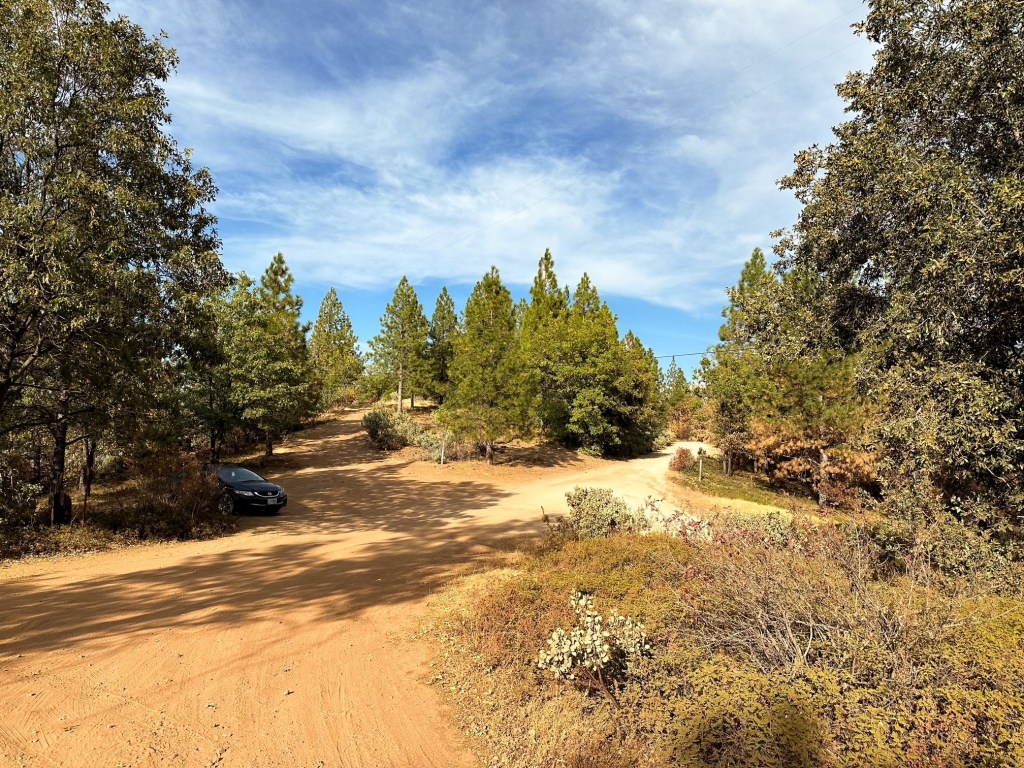
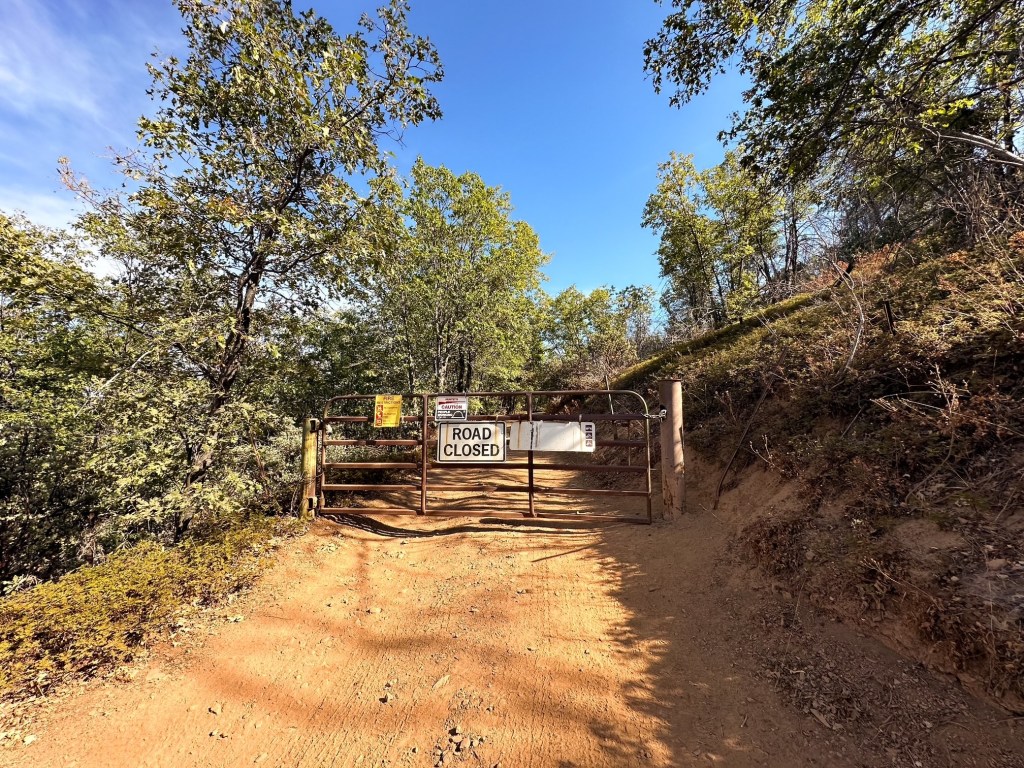
I wanted to head straight back to camp afterwards, but we decided to continue to the Groveland Ranger station to buy a map of the area. Garnet was interested in looking at the routes to other fire lookouts, but they were completely out of the map we wanted. After some debate, we decided to continue on to Smith Peak. The access road was located just behind the ranger station and we were already there. We followed the paved road to the Pines Campground and turned into it. The road turned to dirt and continues beyond the campground. We debated parking here and walking the road since it was close enough, but ended up continuing on for the same reason. If we found the road inaccessible we could always turn around. There were some minor hazards to avoid if you are driving a low clearance vehicle but it is passable. After driving for a mile and a half we reached a 5-way intersection. We parked in a pull out here since we figured the remaining distance to the summit was behind a gate. It was not immediately clear which road led to the summit from here. We took a guess and headed left based on which road looked the most used and angled towards the summit. It was confirmed we made the right selection when we reached the gate farther down the road. From where we parked to the summit was less than half of a mile. Strava calculated this at 0.95 RT with 174′ of elevation gain. If we had decided to park at the campground, the hike would have been closer to 4 miles RT with 680′ of gain.
Our biggest surprise after we reached the summit was meeting the lookout attendant onsite. We figured even if it was still staffed the person would have already been done for the season or have had left for the evening. He invited us up to chat, but not all the way on the catwalk. The view from the ground was about the same as it was from the stairs. Unfortunately neither of us can recall his name, but we chatted with him for awhile about lookouts and the surrounding area before heading back to camp for the night.
History.

In 1931, Smith Peak was selected as an administrative site to build a lookout tower. A wooden 2-story tower was built shortly after it’s selection. Old archive pictures show this structure was reminiscent of a national park style cab with slight variations. It is mentioned that the site has been utilized for fire detection as early as 1910 given it’s proximity to the ranger station. The wooden structure was replaced in 1952 by a metal lookout tower and garage. This burned down in 1987 during the Stanislaus Complex fire and was replaced by the existing structure in 1988. This site continues to be actively staffed every season and is one of only two remaining staffed in the Groveland Ranger District.

  •  

Bald Mountain L.O.

Location.

Inyo National Forest

Status.

Active; Currently standing

Estimated drive time from Portland, OR.

13-1/2 hours

Date visited.

September 27, 2024

Elevation.

9,104′

National Historic Lookout Register.

US 279; CA 13

Trip Report.

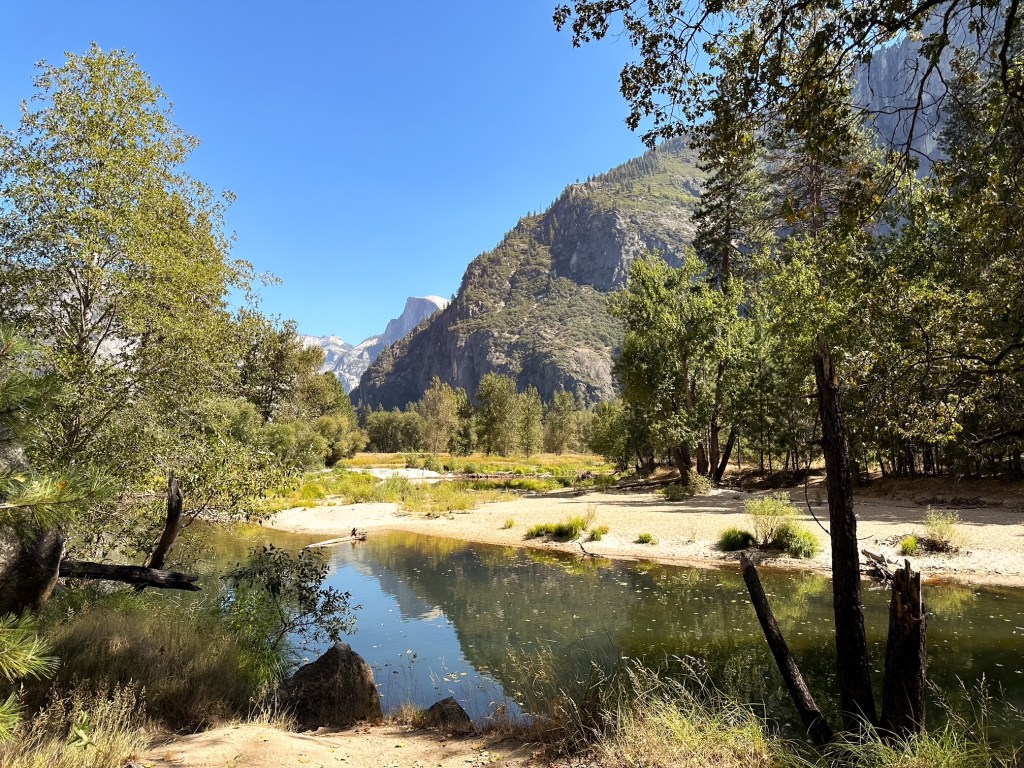
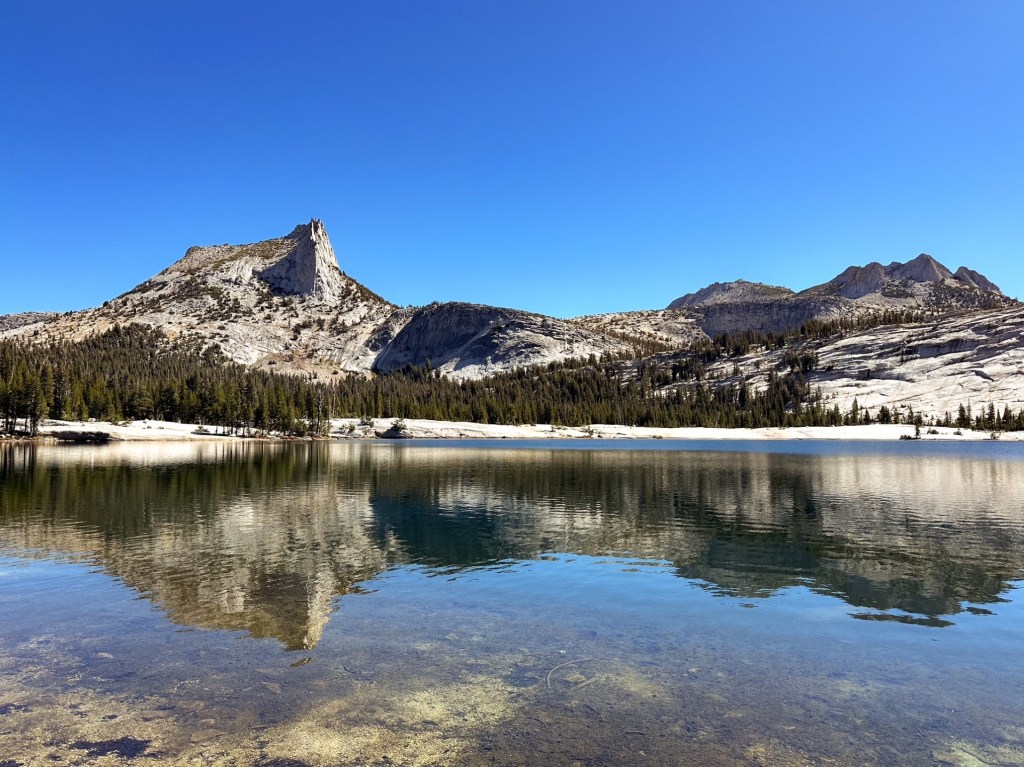
I felt we were able to get a good overview of Yosemite National Park by spreading out our hikes in each area. We spent our fifth day in the main valley collecting souvenirs and our sixth in Tuolumne Meadows hiking to Cathedral Lakes. We really only missed the most southern section with the Mariposa Grove. Though I hope the next time we get to visit the park will be via backpacking in their expansive backcountry. After our long travel day to the park at the start of our trip, I was happy we opted to take two nights to head back to Oregon. This broke up the drive and allotted us to make some exploratory stops along the way. I thought about trying to squeeze another short hike in before exiting Yosemite, but we both agreed we needed to make progress on our drive time. Especially since we opted to take the scenic route back via HWY-395.

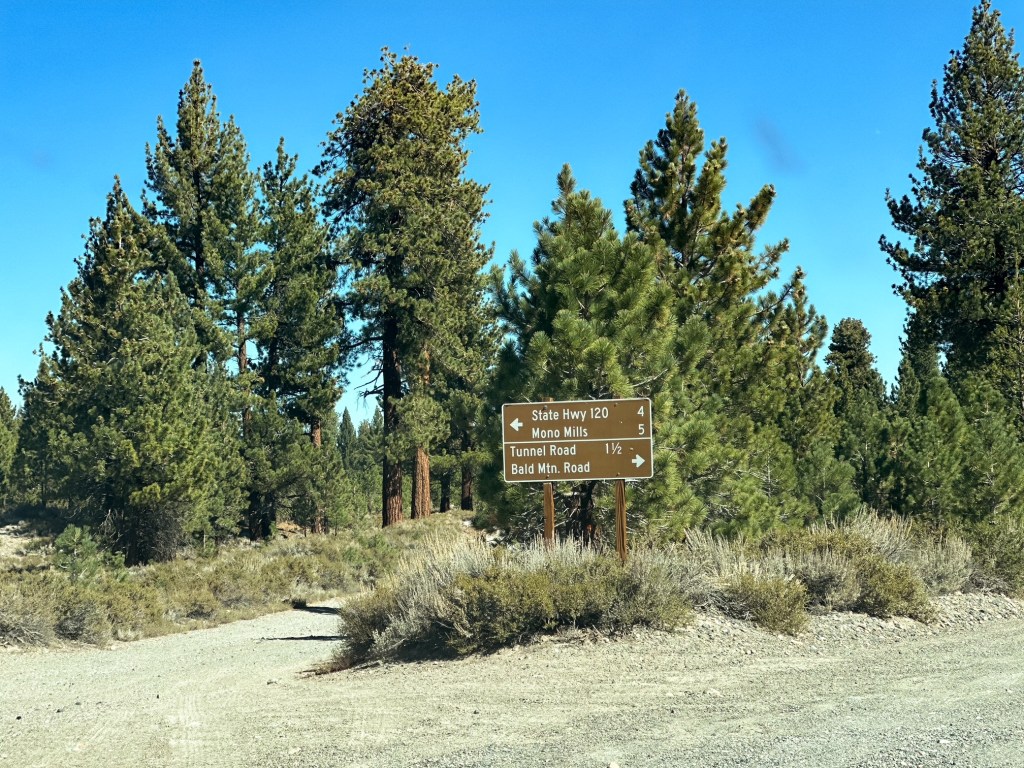
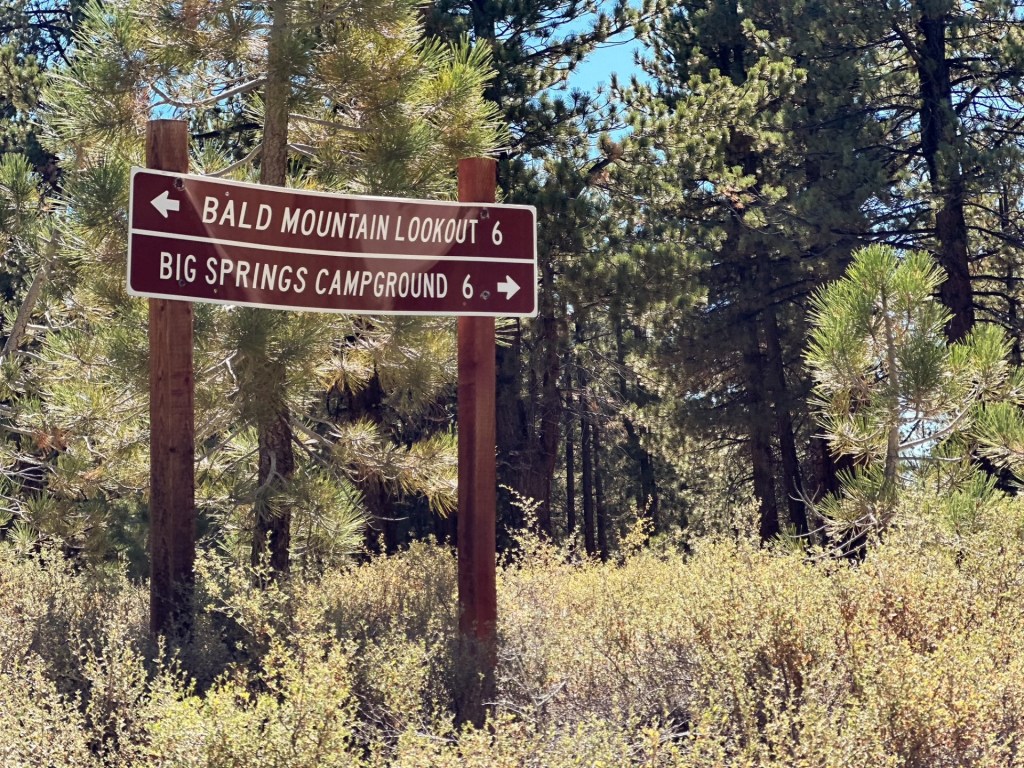
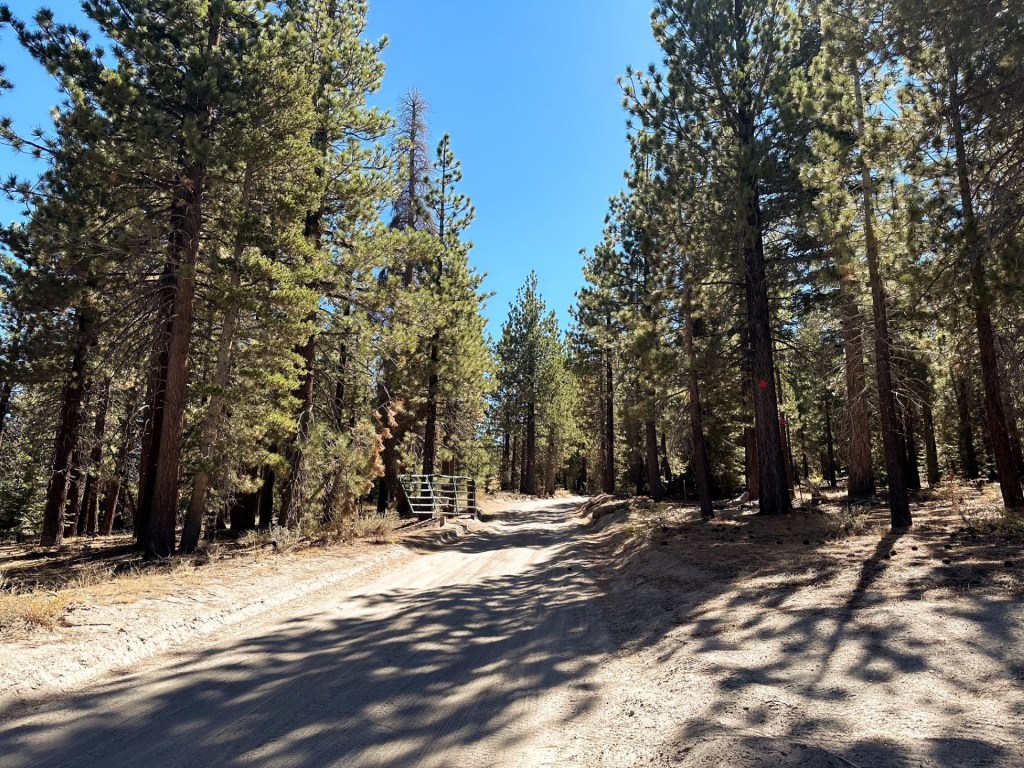
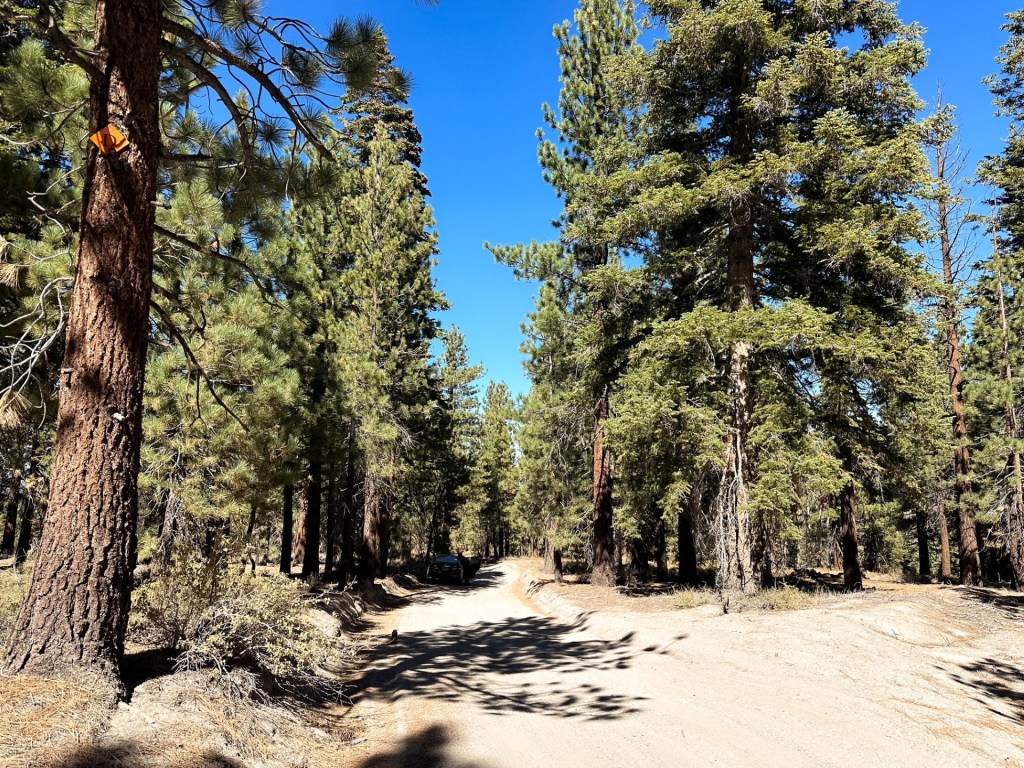
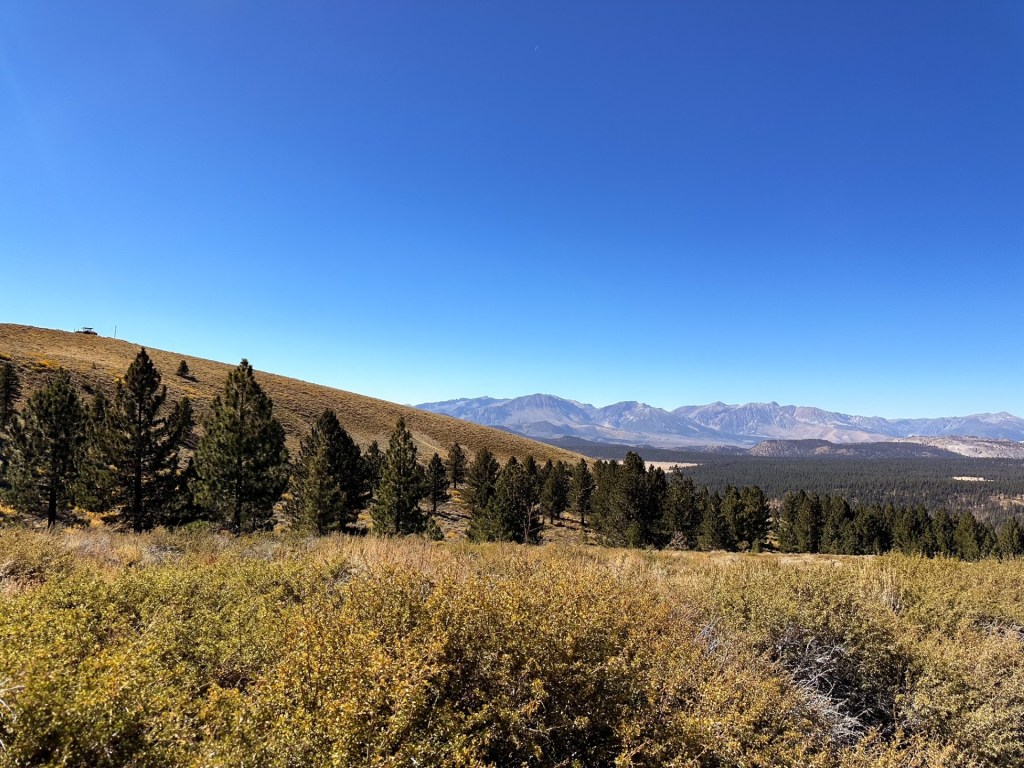
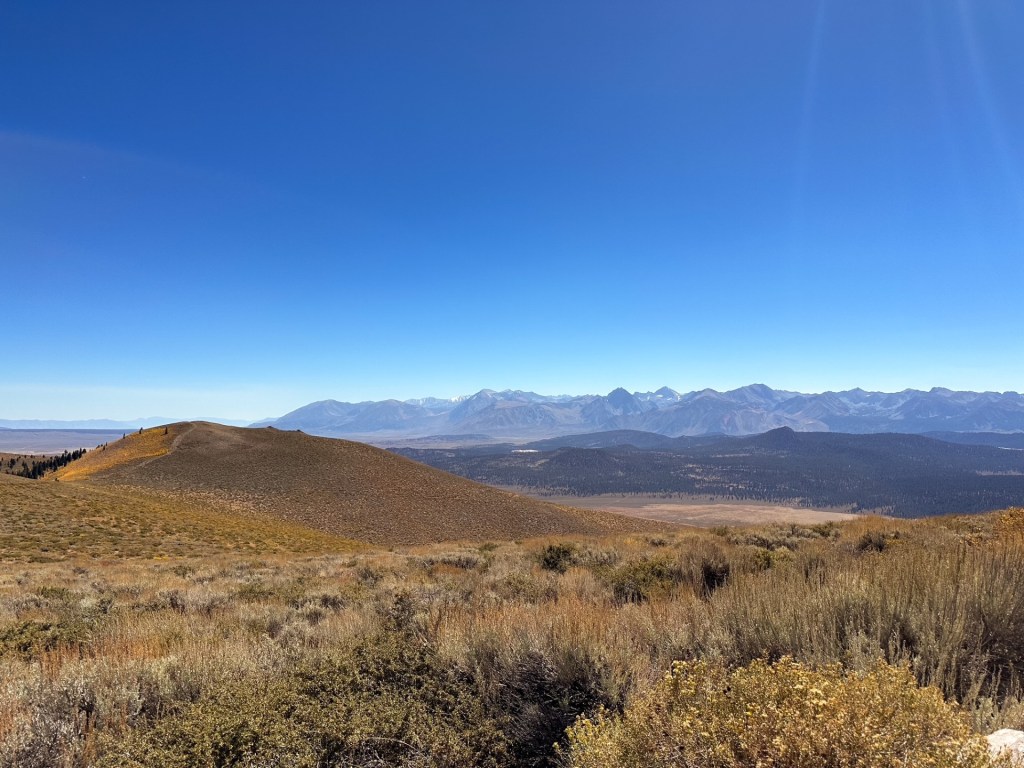
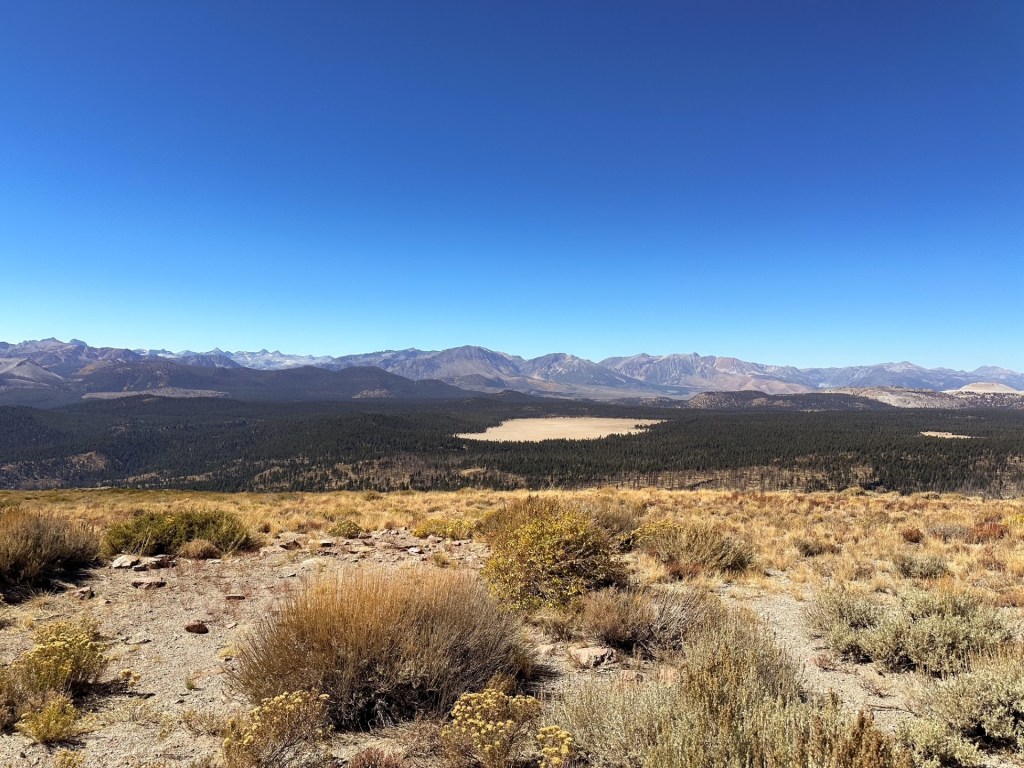
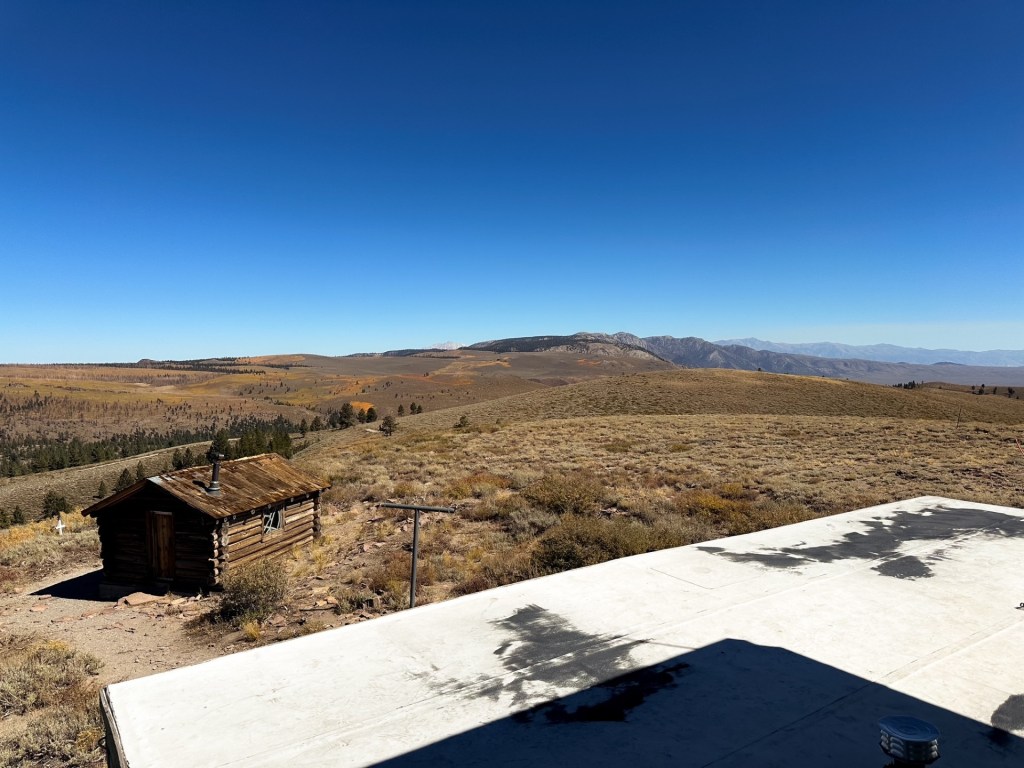
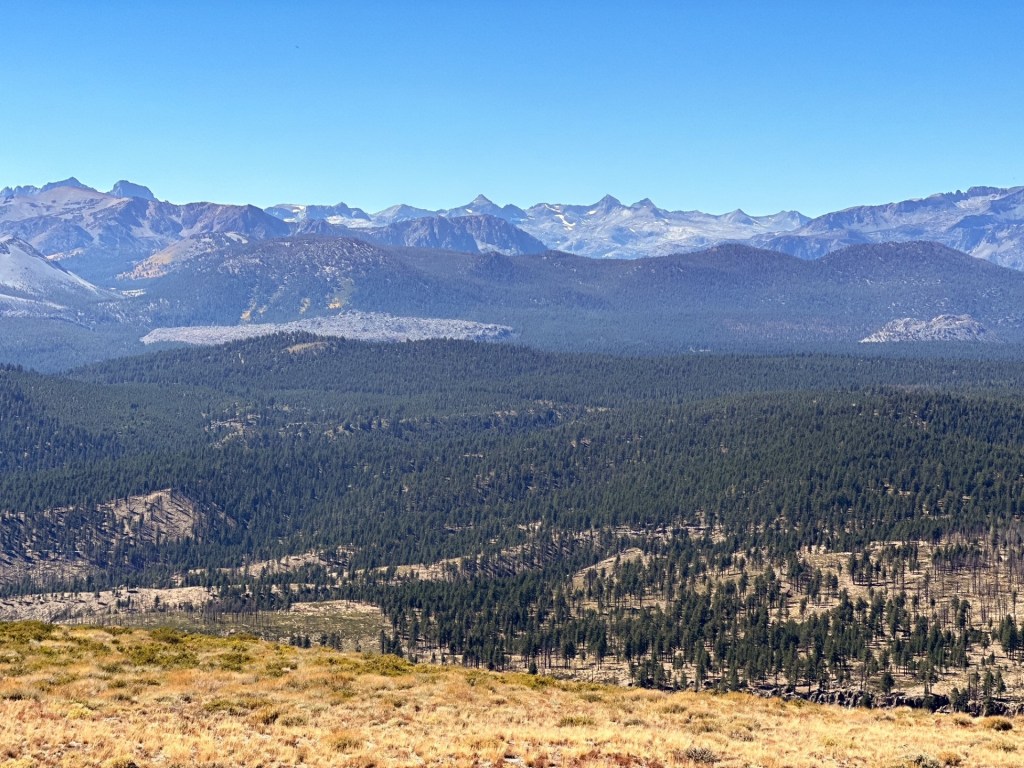
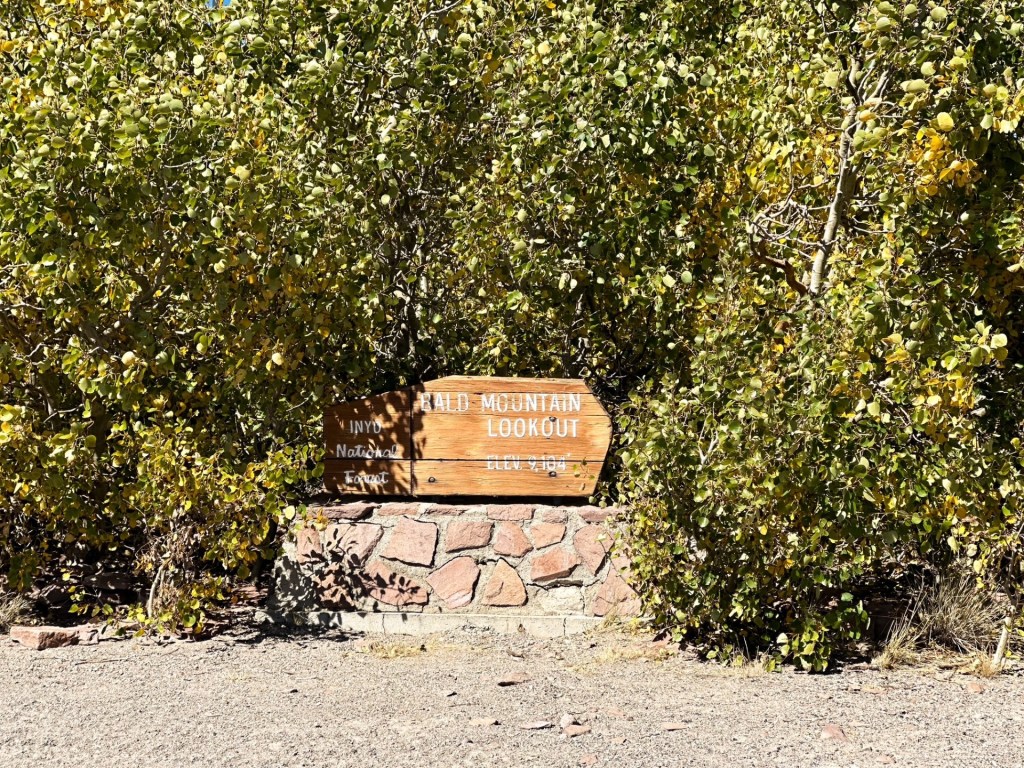
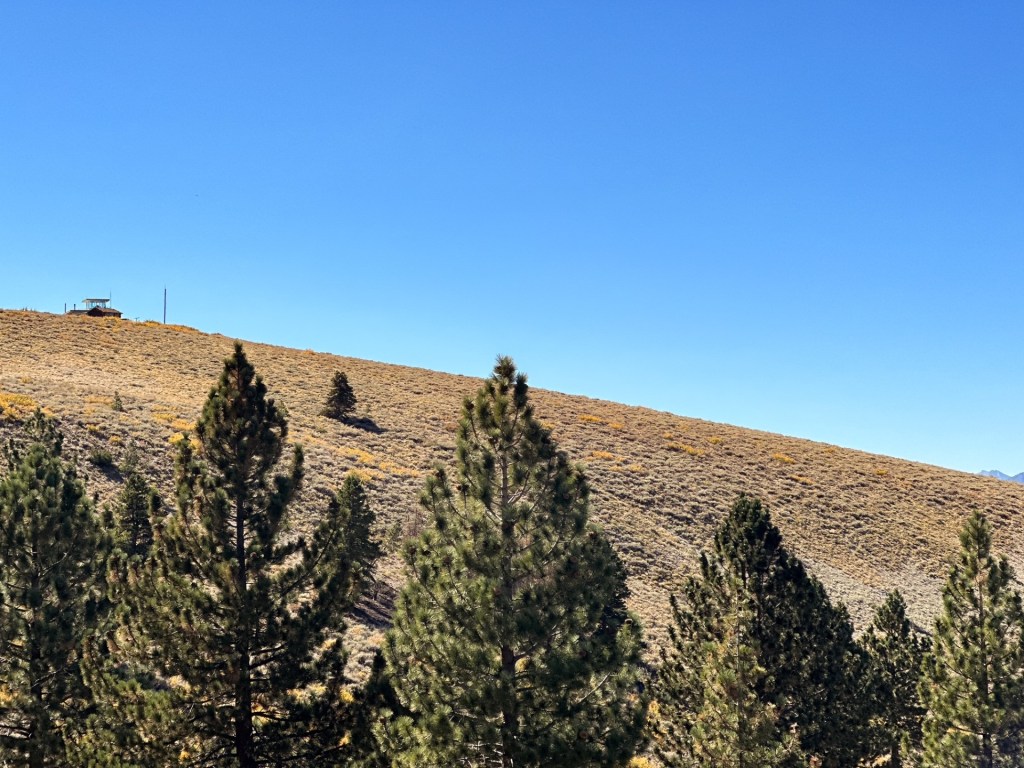
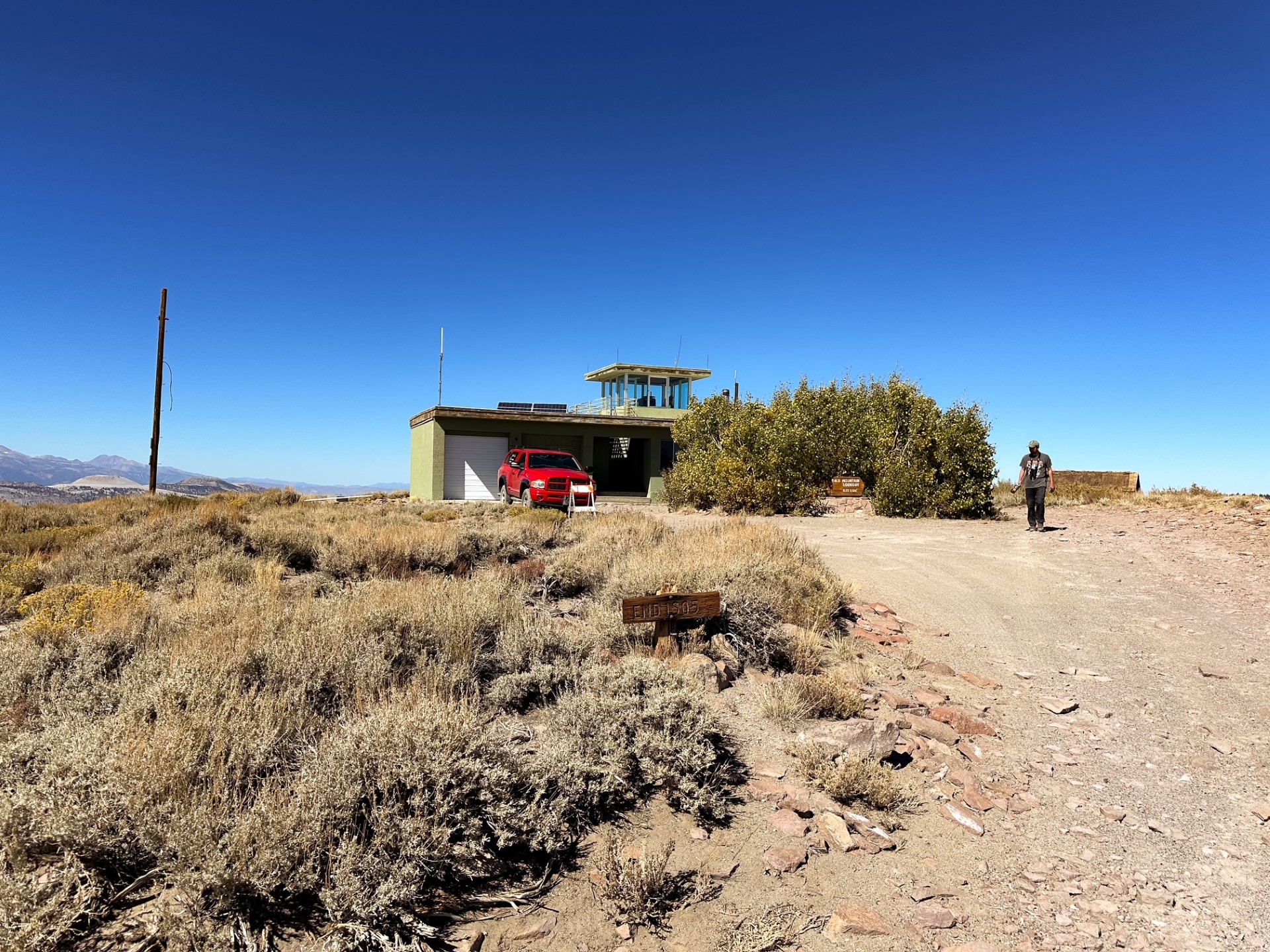
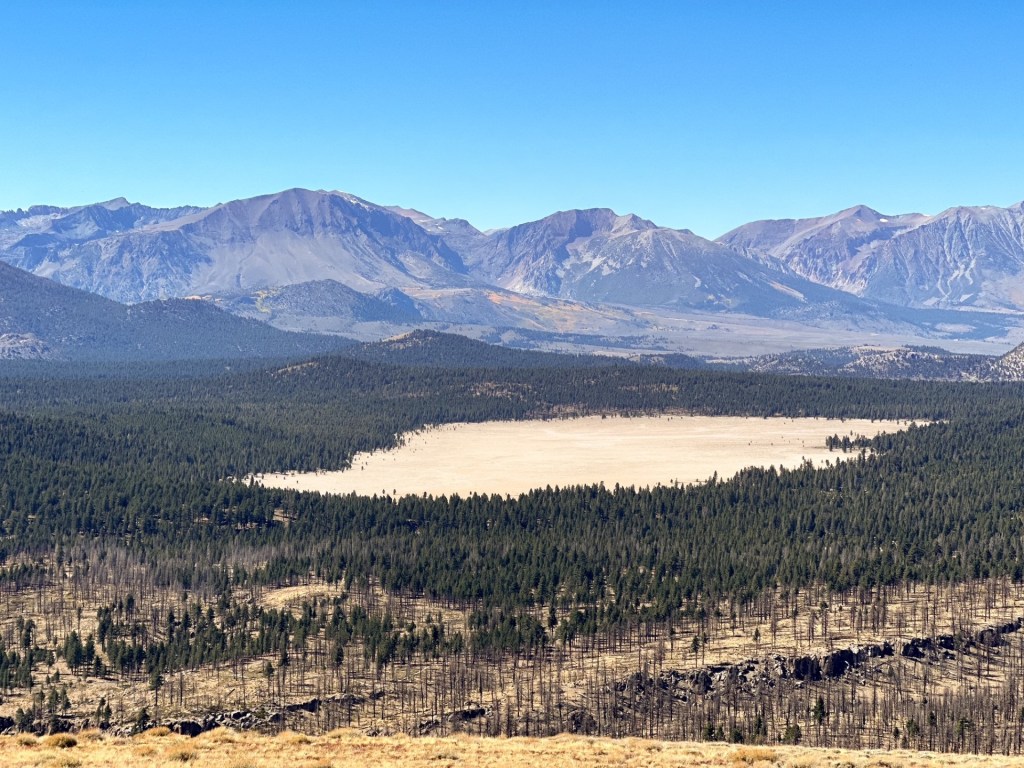
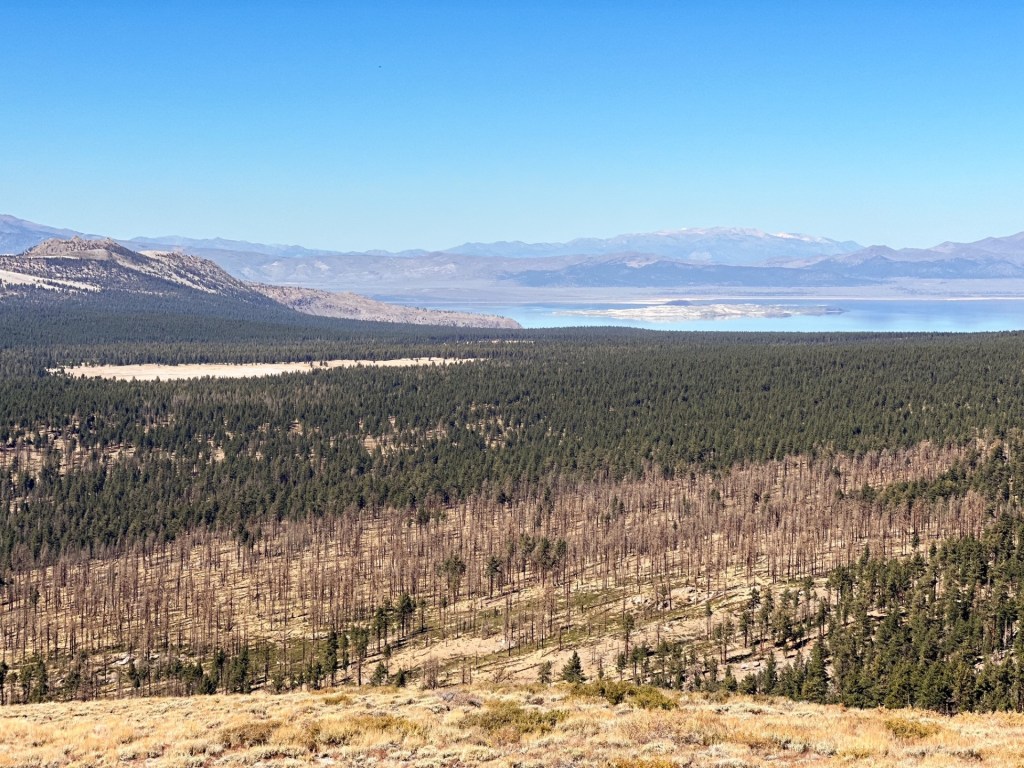
Bald Mountain lookout is just south of where HWY-120 meets HWY-395, or where the eastern exit to Yosemite National Park spits you out. This is a unique stand alone mountain that rises up out of the valley to offer 365 views of the surrounding area. Though we passed on any additional hikes, we figured it made sense to make a small detour here before heading north. Especially since we do not make it down to this area often and this fire lookout stands out by itself from others. Heading south on HWY-395, we kept an eye out for the left turn since we would have to cross traffic and were not sure if it’d be obvious. The road was labeled as 1S05 on the map, but was Bald Mountain Road from the highway and on GPS. There was thankfully a turn lane to avoid blocking any traffic and allowed us to wait for a safe crossing. From there the road turns to a mix of gravel and sand – I was a bit worried about how our car would handle the sand. We followed the main use road and any signs that pointed us towards Bald Mountain. It felt pretty straight forward to us but there are junctions were one could get turned around if not careful.

The scene of the crime

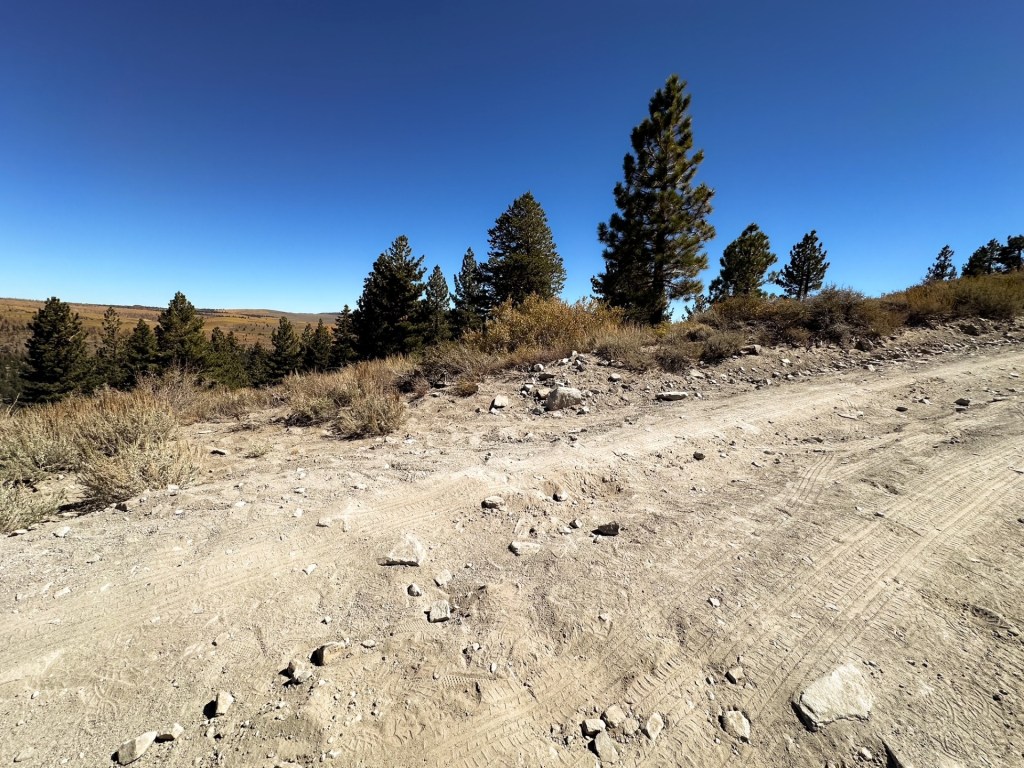
The road was passible to our car up until we reached the gate. There were some squirrely sections in the sand prior, but if you keep your momentum and don’t get too close to the soft shoulders you will be fine. I’d recommend parking and walking from the gate if you are in a low clearance vehicle. Garnet was driving this time and wanted to see if we could drive the remaining distance. This would end up being one of our bigger mistakes visiting a fire lookout. The road started out fine, but it is rocky and narrow. It does not offer room to pass if you meet another vehicle except in an area right before the summit. Unfortunately before we reached that larger pull out the road got worse and I wanted to bail out. We probably would have been fine if we had committed to making it at this point, but instead we tried to turn around to avoid backing all the way down. This area was rockier than the rest of our drive, but it was still a mix of soft sand. Given those conditions, I’m sure it’s no surprise to read that we got ourselves stuck. Not majorly but enough to be concerned about how we were going to get ourselves out. Our wheels were having a hard time finding purchase and we tried adding rocks under the tires to help build traction without digging ourselves deeper. There was potential for high-lining our car or at least cause significant damage to the undercarriage. Eventually someone was driving down from visiting the summit and they stopped to help. They were able to assist Garnet in giving us a good push from the back, while directing us in the front areas we couldn’t see by ourselves. We were extremely thankful and embarrassed at the same time. Once we were back on the road we had to back down all the way to the gate to let them pass. We parked in a pull out just before the gate and walked the rest of the road, as we should have from the start.

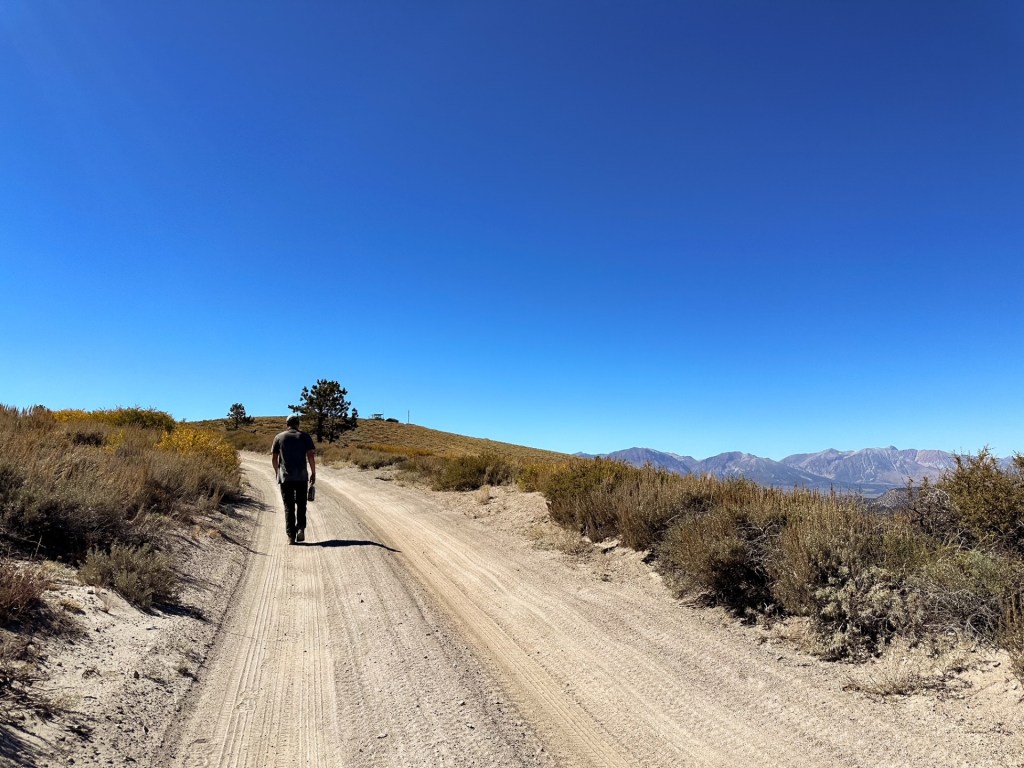
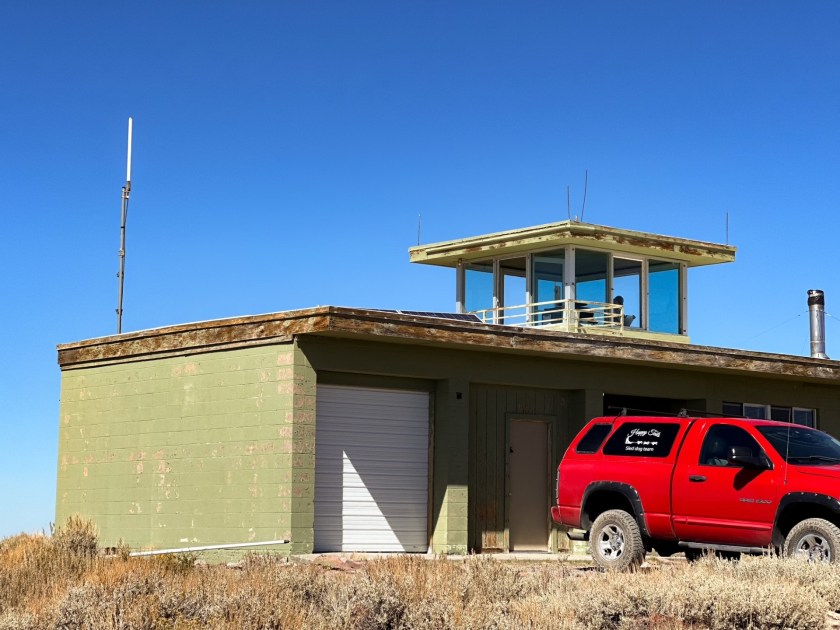
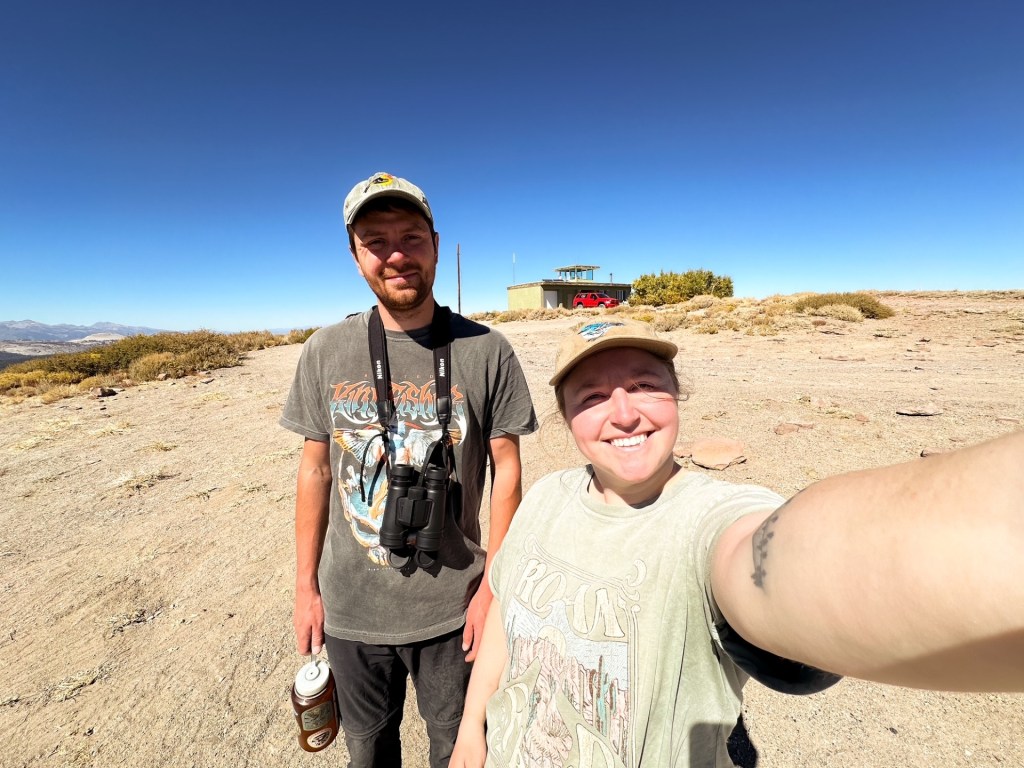
It was only a 0.8 mile walk from the gate to the summit with 382′ of elevation gain. Strava calculated the total round trip distance at 1.77 miles, but the additional was due to walking around the lookout. We were greeted by a friendly attendant named Karen that invited us up to take a look around. She told us she was a volunteer from the San Bernadino area and that this lookout was staffed on a rotating basis of volunteers. It was cool to see a new program in action from the efforts of the FFLA to help keep this lookout in service. Karen used to work on Keller Peak LO and was the first woman to repel down El Capitan (so cool!). She told us how we just missed some other visitors that were worried about meeting cars on the road during their drive down and that she had seen a car heading up at the same time but was unsure what happened. We were too embarrassed to tell her that was us, or that we got stuck, or that they had to help us. I felt even worse to hear that we became their worst fear. There was not much we could do about it now except look back and laugh.

History.

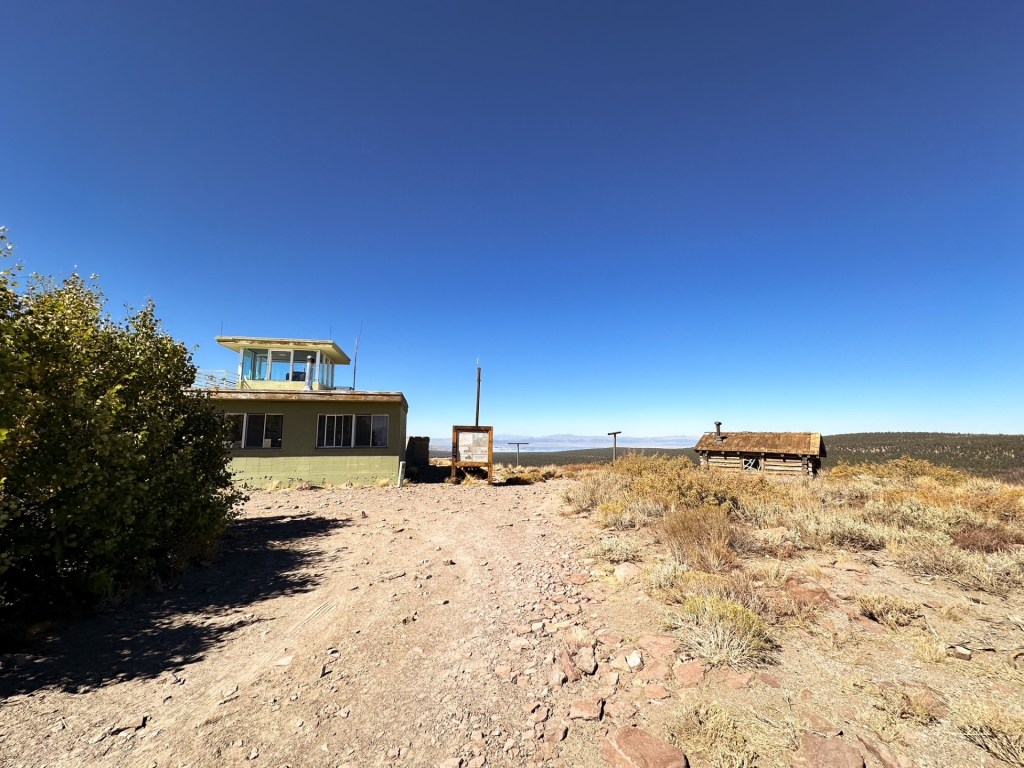
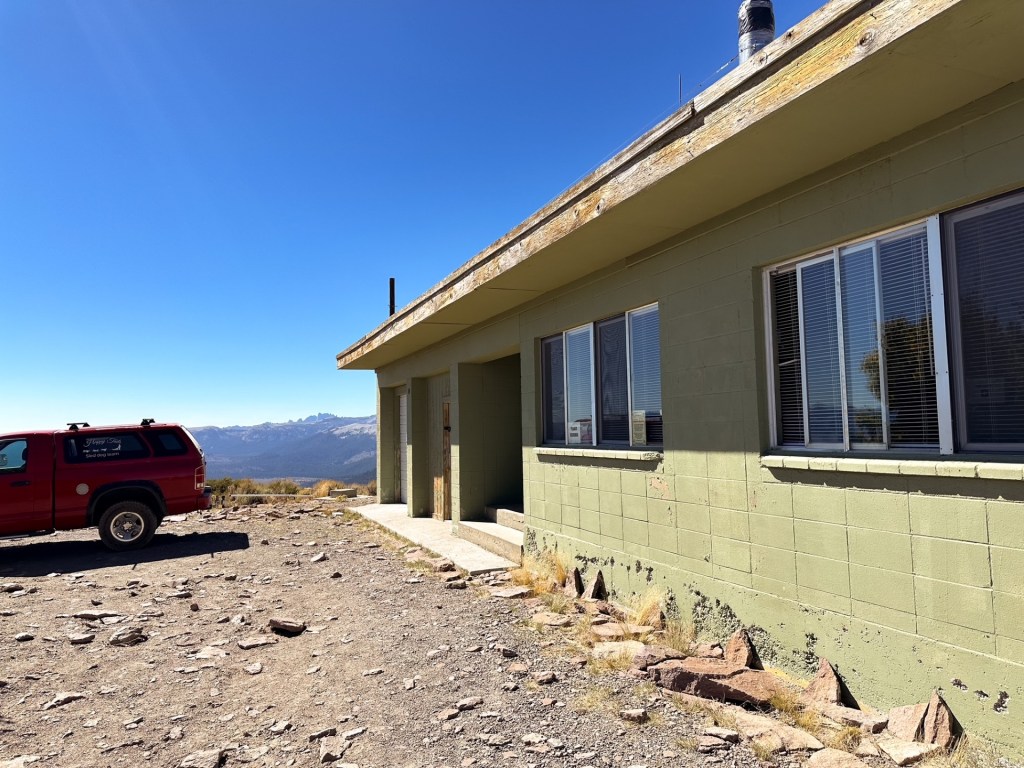
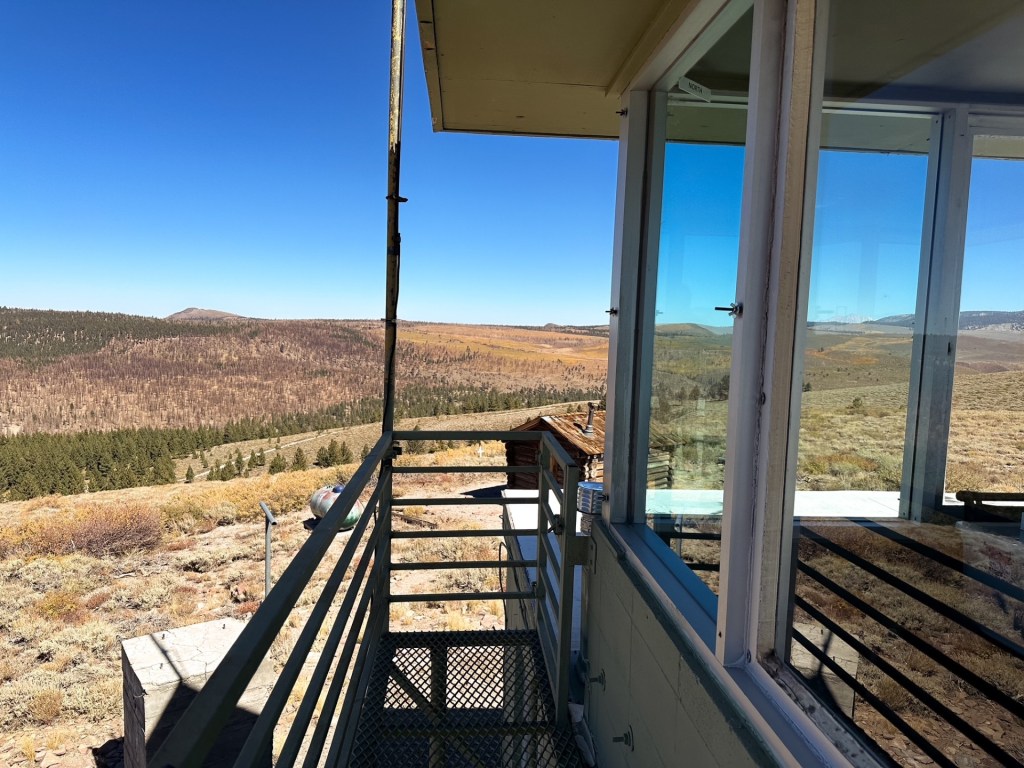
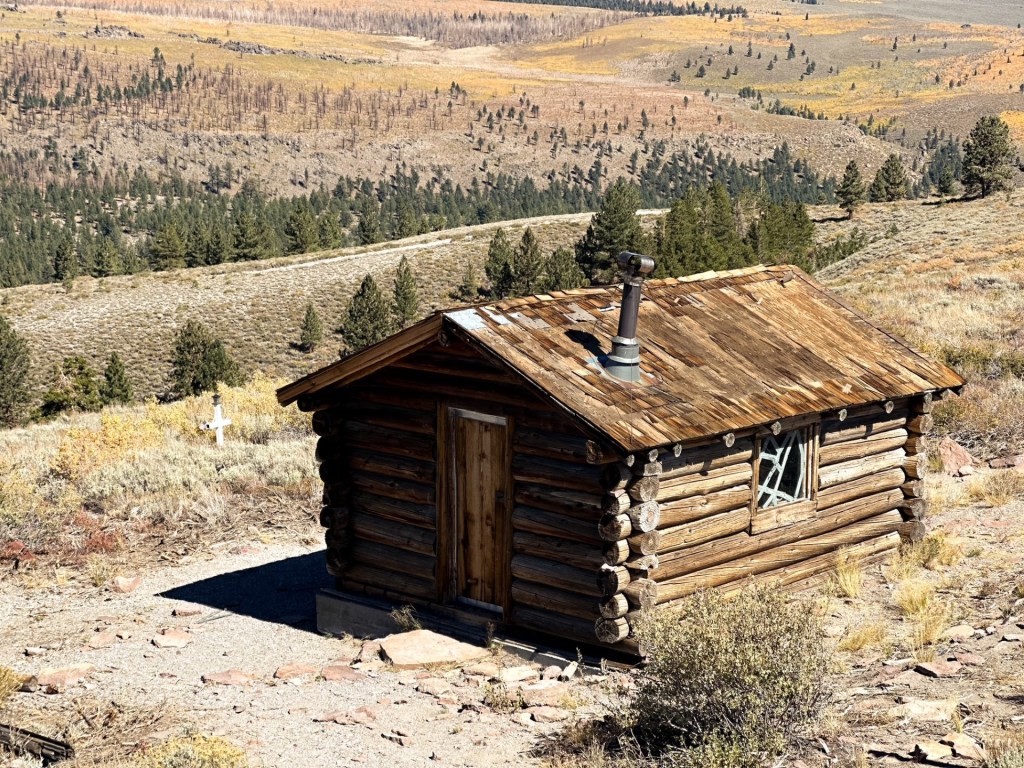
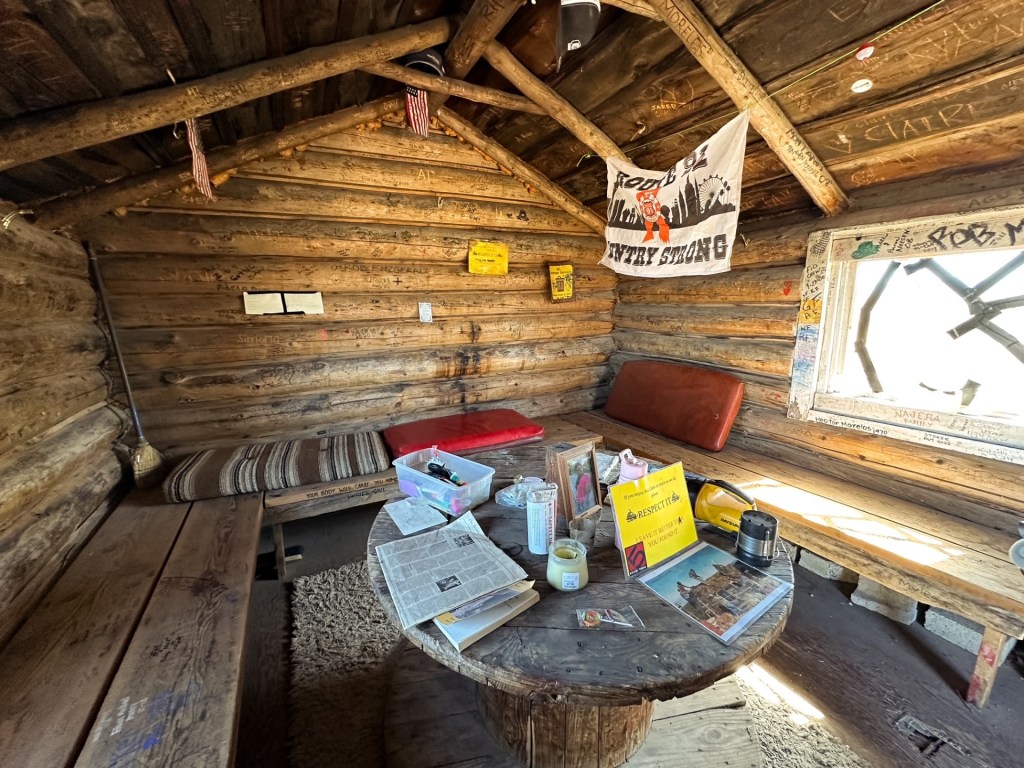
Bald Mountain is one of only two fire lookouts still standing in the south-eastern Sierra and the only one left in operation on the Inyo National Forest. The original structure was built in 1943 by the Civilian Public Service (an agency that followed the CCC and was staffed by conscientious objectors of WWII). There is still a log cabin onsite that is believed to be part of the original buildings from this era and is still used as a warming hut for skiers in the winter. In 1963, the current 16′ x 40′ concrete block lookout with 10′ x 10′ steel cab was built. This unique structure includes living quarters, two garages, and a storage room. It was actively staffed by the Forest Service into the 1980s. It was not until recently, in 2024, that it was brought back into service via a volunteer partnership between the FFLA and the Mono Lake Ranger District.

  •  
❌